Whispers of the Past: The Enigmatic Portraits of Antonello da Messina
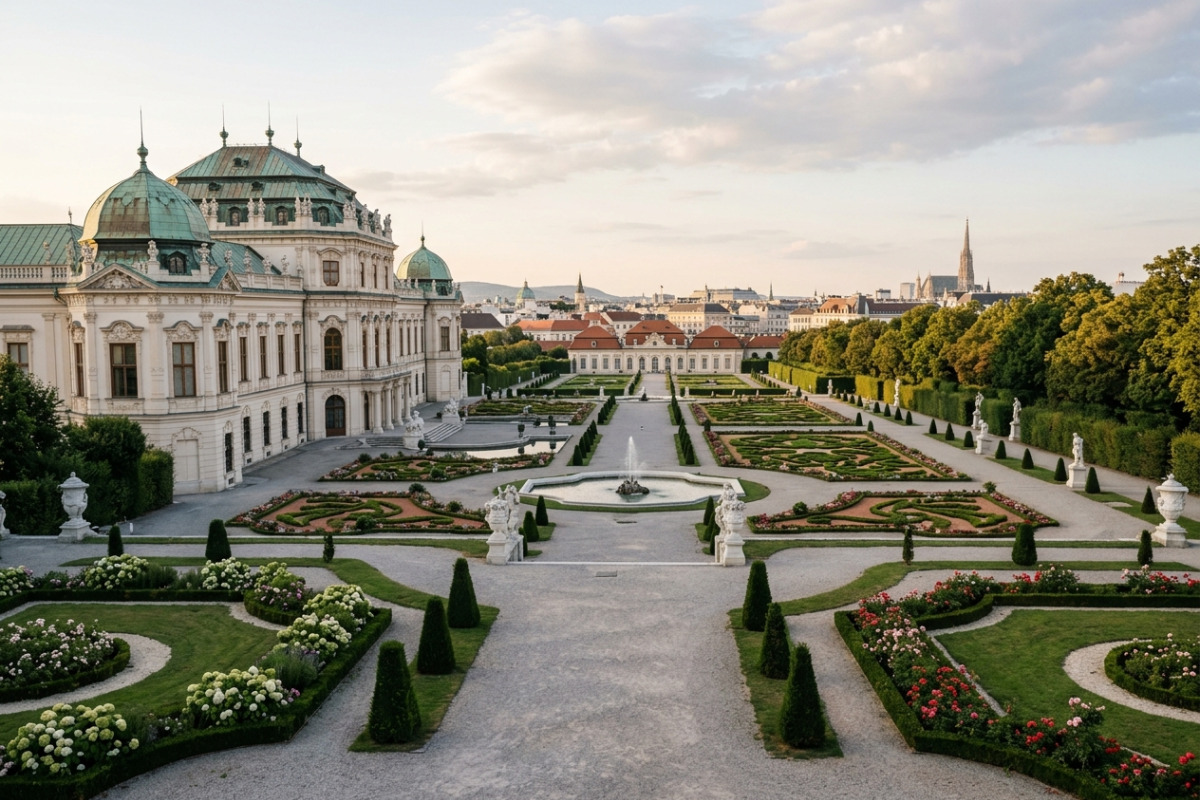
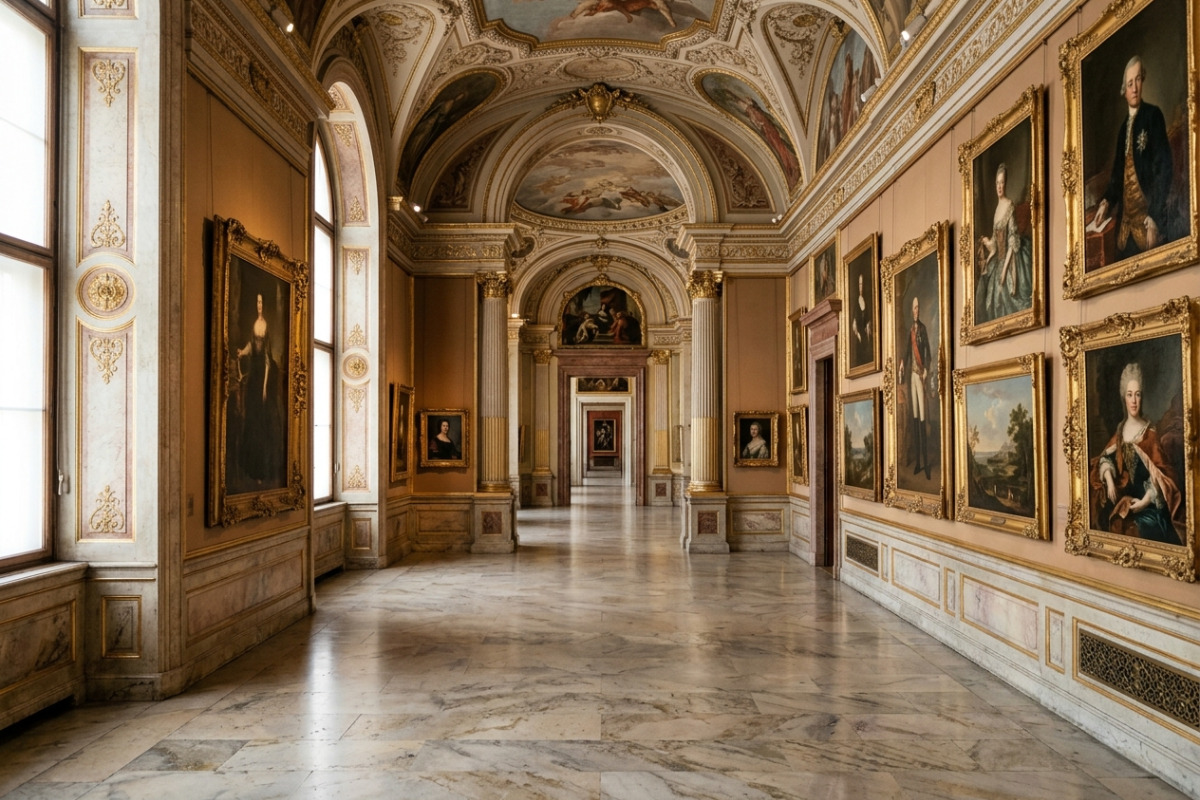
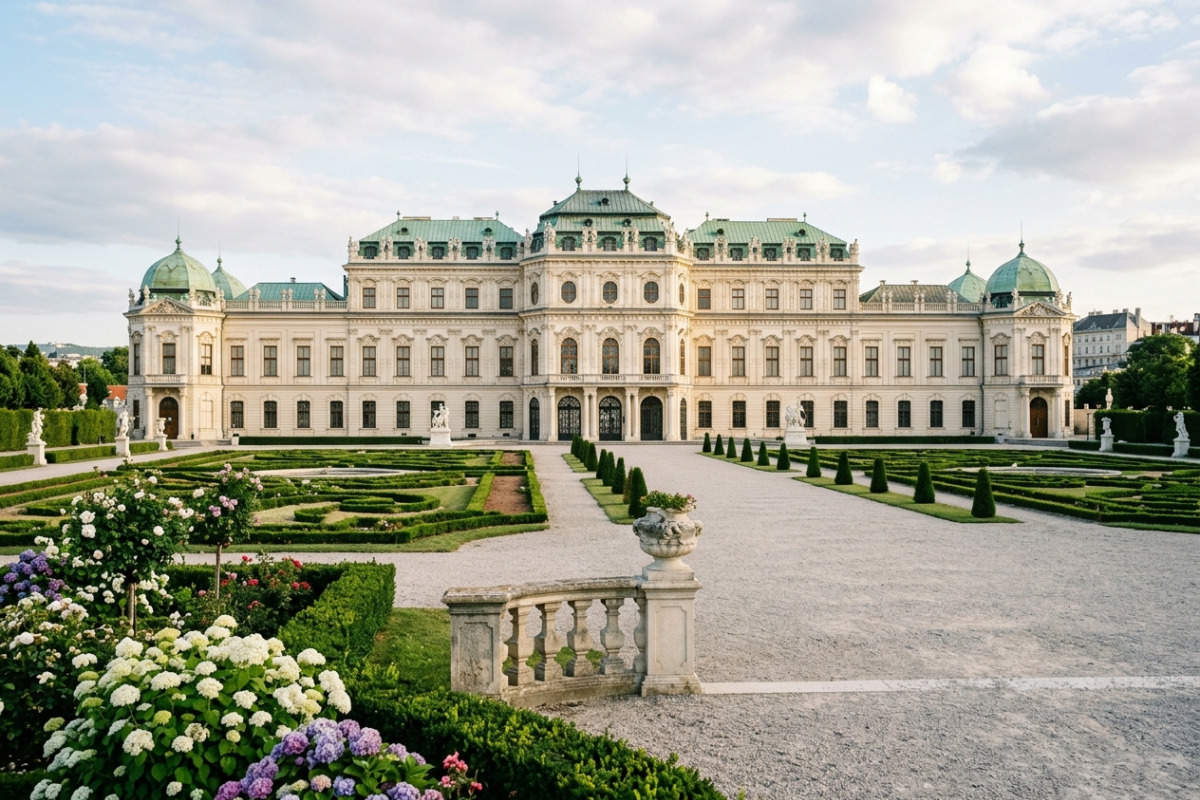
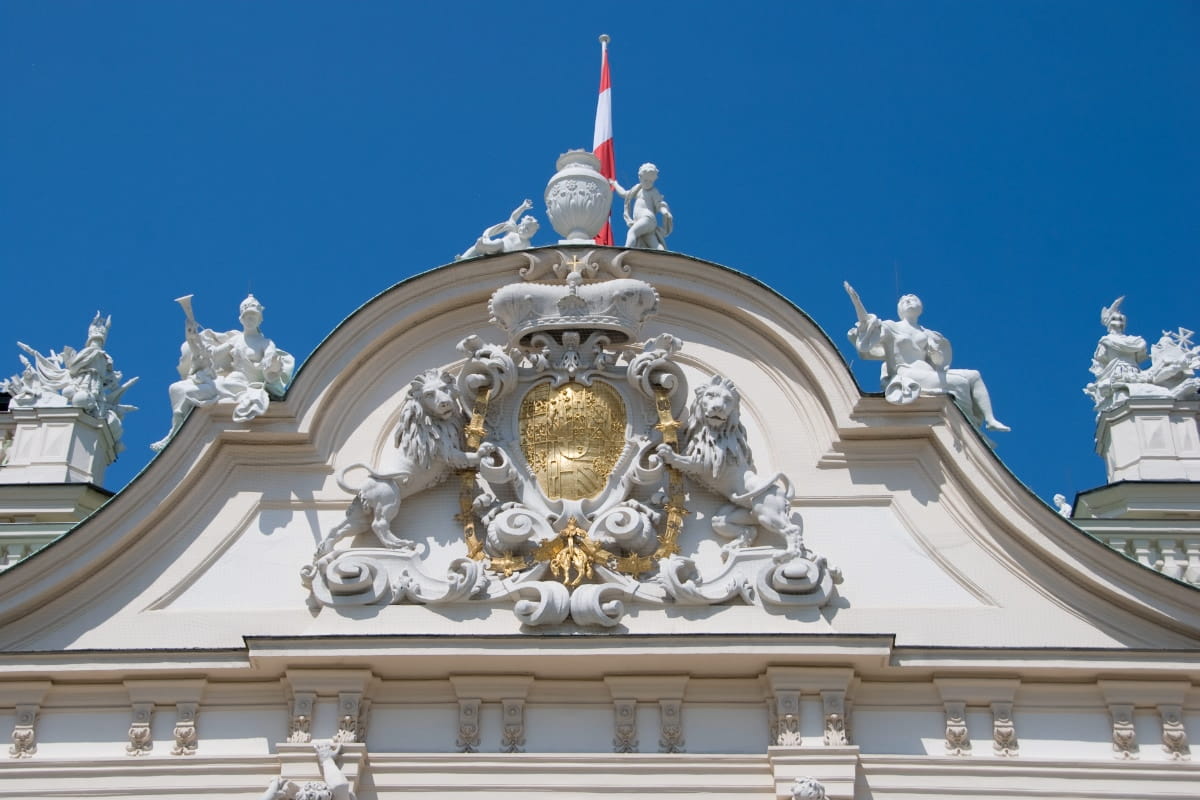
Walking through the grand halls of the Belvedere Museum in Vienna offers more than just a glimpse into imperial history; it provides a portal to the soul of the Renaissance. Among the gilded baroque splendor and the famous works of Klimt, there lies a quieter, yet profoundly arresting experience waiting for the observant traveler. We are talking about the captivating world of Antonello da Messina, a Sicilian master whose brushstrokes did not just paint faces, but captured the very breath of his subjects. As we step into the galleries in January 2026, the allure of his work remains as potent and mysterious as it was over five centuries ago. His art does not scream for attention; instead, it whispers, inviting us to lean in closer and unravel the enigmas hidden within the eyes of men and women long gone.
A Sicilian in Vienna: The Belvedere Experience
The Belvedere Museum is renowned globally for its Austrian masterpieces, but its collection of international art offers a distinct narrative of European cultural exchange. Encountering Antonello da Messina here feels like discovering a secret conversation between the North and the South. The museum’s curation allows us to see how Italian sophistication met Flemish precision, a synthesis that Antonello embodied perfectly. Standing before his works in this setting, away from the crowded corridors of the Uffizi or the Louvre, allows for an intimate dialogue with the art. The lighting in the Belvedere accentuates the luminous quality of his paint, making the skin tones appear almost translucent, a testament to the preservation and presentation of these timeless treasures.
The Alchemy of Oil: Bridging North and South
To understand the magic of Antonello, one must first understand the revolution he brought to the Italian peninsula. Before him, Italian painting was dominated by egg tempera—a medium that was quick-drying, opaque, and somewhat flat. Antonello da Messina is often credited with introducing the secrets of oil painting, a technique perfected by the Flemish masters like Jan van Eyck, to Venice and beyond. This wasn't merely a change in materials; it was a shift in how reality could be perceived and rendered. The oil allowed for slower drying times, enabling him to blend colors seamlessly and build up layers of transparent glazes. This technique trapped light within the layers of paint, giving his portraits an inner glow that tempera could never achieve.
The difference in technique created a stark contrast in the visual output of the era. Here is a breakdown of how Antonello’s adoption of oil changed the artistic landscape:
| Feature | Traditional Italian Tempera | Antonello's Oil Technique |
| Drying Time | Very fast, allowing no time for blending. | Slow, allowing for smooth transitions and gradients. |
| Texture | Matte and opaque finish. | Glossy, luminous, and deep. |
| Detailing | Linear and graphic. | Microscopic realism (hair, reflections in eyes). |
| Color Depth | Flat colors. | Rich, saturated tones created by glazing. |
The Psychological Depth of the Portraits
What truly separates Antonello from his contemporaries is not just the chemistry of his paint, but the psychology of his subjects. In the Belvedere, when you lock eyes with one of his portraits, you are not looking at a static ideal of beauty; you are confronting a human being. He abandoned the strict profile view that was popular in Italy—which treated subjects like coins or medals—and adopted the three-quarter view common in the Netherlands. This rotation allows for a connection between the sitter and the viewer, creating a dynamic engagement that feels startlingly modern.
The enigmatic nature of these portraits lies in their ambiguity. The subjects often bear expressions that are difficult to pin down—a slight smirk, a raised eyebrow, or a look of melancholic introspection. Key elements that define this psychological intensity include:
- The Direct Gaze: His subjects almost always look directly at the viewer, breaking the fourth wall and demanding a reaction.
- Hyper-Realistic Details: He painted stubble on a chin, a scar on a lip, or the moisture in an eye, grounding the divine or the noble in the gritty reality of the flesh.
- The Use of Light: Strong contrasts between light and shadow (chiaroscuro) sculpt the face, giving it a three-dimensional volume that suggests a living, breathing presence.
- Minimalist Backgrounds: By using dark, neutral backgrounds, he eliminates distractions, forcing the viewer to focus entirely on the face and the soul behind it.
Unravelling the Mysterious Narratives
The "mystery" surrounding Antonello’s work is partly due to the scarcity of biographical details about the sitters. We often do not know who these men were. Were they merchants, nobles, or fellow artists? This anonymity allows our imaginations to run wild. In the quiet atmosphere of the museum, one can’t help but construct narratives. Is the man with the faint scar a veteran of a forgotten war? Is the youth with the soft eyes dreaming of a lost love? Antonello provides just enough detail to spark a story but leaves enough shadow to keep the secret.
This narrative gap is what keeps art enthusiasts coming back. Unlike historical records that offer dry facts, these portraits offer emotional truths. The "Condottiero" (though held in the Louvre, its stylistic siblings are celebrated worldwide) exudes arrogance and power, while his religious figures, such as the Virgin Annunciate, display a terrifyingly human vulnerability. The works displayed or contextualized within the Belvedere’s broader Renaissance narrative share this DNA. They remind us that the anxieties, hopes, and vanities of the 15th century were not so different from our own in 2026.
Beyond the Belvedere, Antonello's influence resonated throughout Italy and beyond. His impact can be seen in the works of artists like Giovanni Bellini, who adopted and further refined the oil painting techniques that Antonello pioneered. Other notable works by Antonello include the 'St. Jerome in His Study' (National Gallery, London) and the 'Portrait of a Man' (Metropolitan Museum of Art, New York), each offering further insight into his mastery of light, detail, and psychological depth. To explore more of his masterpieces, consider visiting museums that house his works or exploring online resources such as the Web Gallery of Art, which provides a comprehensive overview of his paintings and life.
Why This Matters for the Modern Traveler
In an age of digital saturation and fleeting images, standing before an Antonello da Messina painting is a grounding exercise in patience and observation. It is a reminder of the power of human skill and the enduring nature of the human spirit. A visit to the Belvedere to seek out these whispers of the past is not just an art tour; it is a pilgrimage to the roots of modern portraiture. As you leave the museum and step back into the crisp Vienna air, you carry with you the weight of those gazes—reminders that while centuries pass, the desire to be seen and understood remains eternal.