The Enchantment of Belvedere's Interior Design
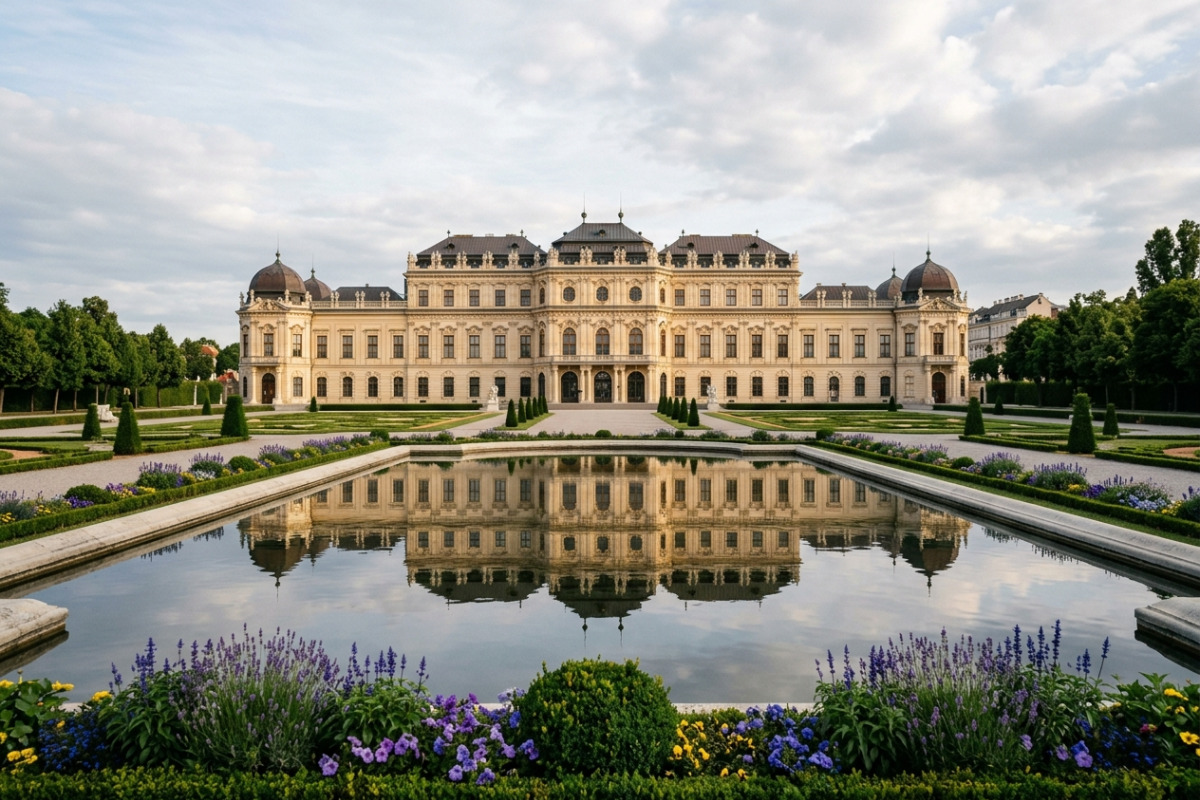
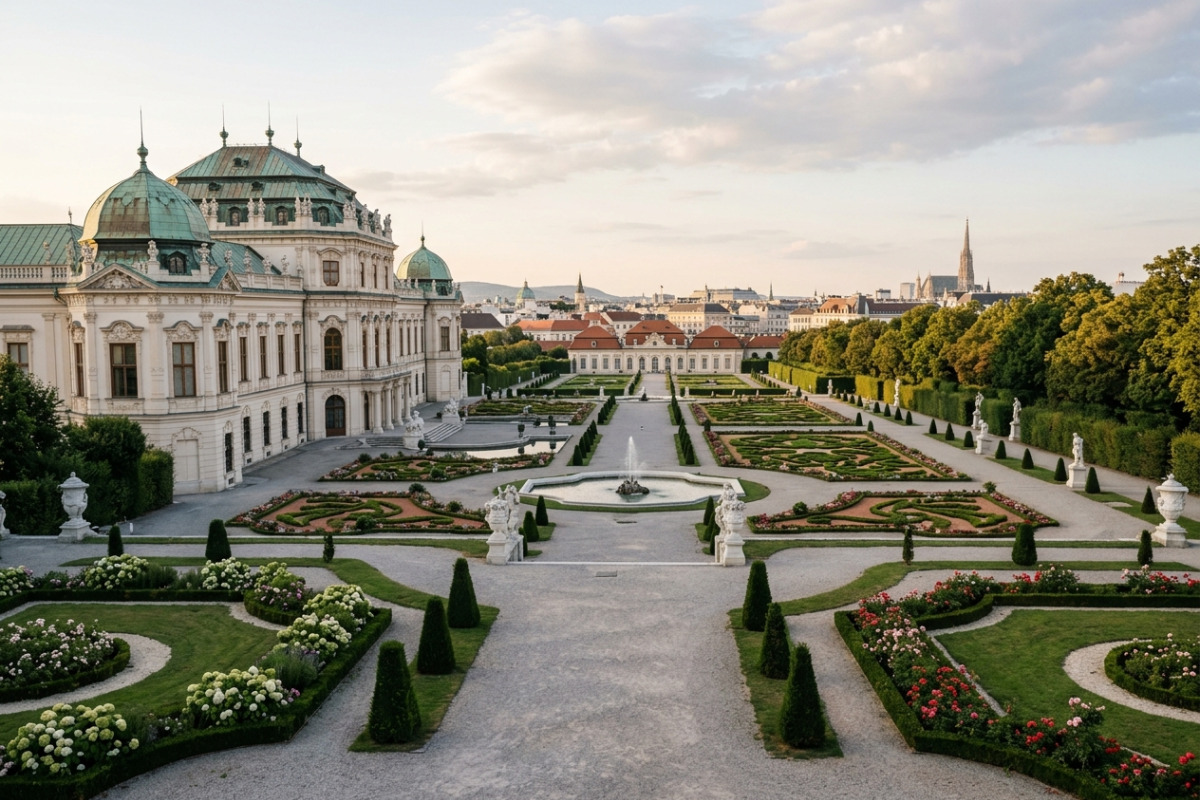
When you step through the imposing gates of the Belvedere complex in Vienna, your eyes are immediately drawn to the majestic facade, but the true magic lies hidden behind those walls. Exploring the interior of Belvedere Palace is akin to walking through a crystallized moment of the 18th century, where every corner whispers tales of power, art, and imperial ambition. It is not merely a museum housing Gustav Klimt’s The Kiss; the building itself is a masterpiece of Baroque interior design that rivals the art it protects. The transition from the manicured gardens to the inner sanctums of the Upper and Lower Belvedere reveals a deliberate narrative of ascension, glory, and aesthetic perfection crafted by Prince Eugene of Savoy and his architect, Johann Lukas von Hildebrandt.
The interior design of the Belvedere is a testament to the seamless integration of architecture, sculpture, and painting—a concept known as Gesamtkunstwerk. As we wander through these halls in 2026, we are witnessing the same grandeur that impressed European nobility centuries ago. The spaces were designed not just to be lived in, but to impress, to intimidate, and to inspire. From the ground floor’s structural might to the celestial themes of the upper ceilings, the design language speaks of a time when art was the ultimate currency of power.
A Masterpiece of Baroque Architecture
The interior architecture of the Belvedere is defined by the dramatic flair of the High Baroque period. Unlike the rigid symmetry of the Renaissance, the Baroque style here embraces movement, emotion, and theatricality. The rooms are not static boxes; they are dynamic spaces that guide the visitor's eye upward and onward. The use of light is particularly ingenious. Large windows were strategically placed to capture the shifting daylight, illuminating the gold leaf and stucco work in a way that makes the walls seem to shimmer and breathe.
One cannot discuss the design without acknowledging the role of the Grand Staircase in the Upper Belvedere. In the 18th century, the staircase was the stage upon which social hierarchies played out. The ascent is gradual, flanked by ornate stucco relief and white stone, preparing the visitor for the explosion of color and wealth that awaits on the Bel Etage (the noble floor). The interplay of white stucco against the darker, richer tones of the frescoes creates a visual rhythm that is both soothing and awe-inspiring.
Stepping into Grandeur: The Sala Terrena
The journey into the Upper Belvedere’s interior begins in the Sala Terrena (Ground Hall). This space serves as the connective tissue between the earthly gardens and the celestial halls above. The design here is dominated by four powerful Atlantes—muscular, pillar-like statues that appear to hold up the vaulted ceiling with their bare shoulders. These figures are not just structural supports; they are symbolic representations of strength and stability, grounding the airy lightness of the palace.
The Sala Terrena creates a unique acoustic and visual atmosphere. The white stucco work is intricate, featuring motifs of nature and mythology that reflect the garden outside. It is a transitional space that feels both open and enclosed, a clever architectural trick that blurs the lines between the exterior and interior worlds. Standing here, one can appreciate the sheer scale of the construction and the attention to detail that characterizes the entire complex.
The Marble Hall: Where History and Art Converge
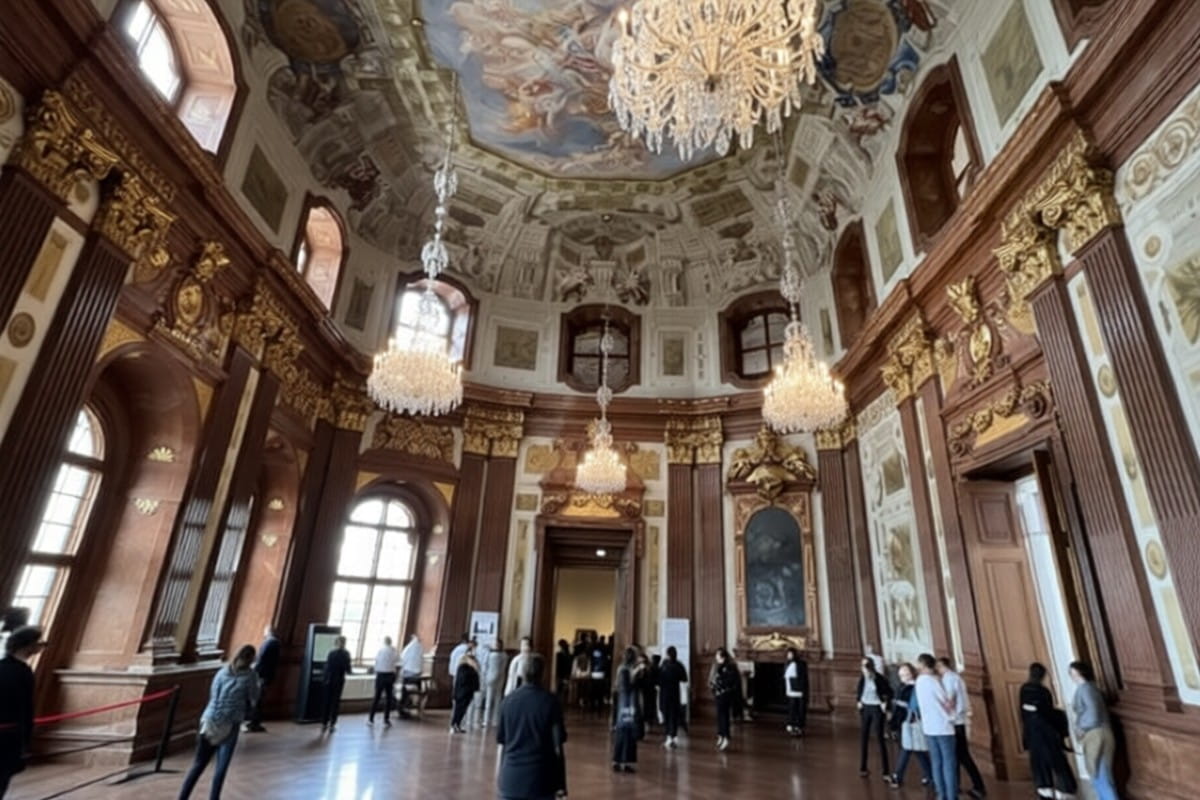
Undoubtedly the heart of the Upper Belvedere, the Marble Hall is a spectacle of reddish-brown marble, gilding, and artistic mastery. This two-story hall was designed to be the ceremonial center of the palace, a place for receptions and grand statements. The walls are clad in rich marble, divided by pilasters that lead the eye toward the magnificent ceiling fresco. The acoustics and the visual grandeur make it overwhelming in the best possible way.
The ceiling fresco, painted by Carlo Innocenzo Carlone, creates an illusion of the roof opening up to the heavens. It depicts allegorical scenes glorifying Prince Eugene as a military hero and a patron of the arts. This technique, known as trompe-l'œil, was a hallmark of Baroque interior design, intended to dissolve the physical limits of the room. Historically, this room is significant not just for its design but for the events it hosted, including the signing of the Austrian State Treaty in 1955, which restored Austria's sovereignty.
Artistic Details of the Marble Hall
- The Imperial Frescoes: The ceiling artwork is a complex narrative of Apollo and the Muses, linking the Prince to the sun god, a common trope for absolute rulers of the era.
- Gilded Stucco: The gold accents are not merely paint but genuine gold leaf applied to intricate plasterwork, catching the light from the high windows.
- Fireplaces and Mirrors: Large mirrors were placed opposite windows to reflect light and the gardens, effectively bringing the outdoors inside and doubling the perceived space.
The Carlone Hall: A Symphony of Frescoes
Named after the master painter Carlo Innocenzo Carlone, this hall is perhaps the most spiritually uplifting space in the palace. Originally intended as a social room, its design is lighter and more ethereal than the heavy grandeur of the Marble Hall. The walls are adorned with illusionistic architectural painting (quadratura), which creates the appearance of three-dimensional columns and arches on flat surfaces. This playful deception was highly fashionable and showcased the sophistication of the patron.
The fresco here, The Triumph of Aurora, is a celebration of light and new beginnings. The colors are pastel and vibrant—pinks, blues, and soft yellows—creating a stark contrast to the martial themes found elsewhere. It demonstrates the versatility of Baroque interior design, capable of shifting from imposing power to whimsical beauty within a few steps.
The Palace Chapel: Spiritual Opulence
Tucked away within the palace is the Chapel, a jewel box of religious devotion and artistic expression. The interior design here shifts to a more vertical orientation, drawing the gaze upward toward the divine. The altarpiece and the surrounding sculptures are integrated into the architecture, ensuring that no single element stands alone. The use of marble continues, but in more subdued, respectful tones suitable for reflection.
The Chapel reflects the dual nature of Prince Eugene’s life: the ruthless military commander and the devout Catholic. The interior space is intimate yet grand, with a choir gallery that allowed the nobility to attend mass in privacy, separated from the household staff. This spatial segregation was a key component of historical interior design, reinforcing social structures through architecture.
Decorative Arts and Historical Trends
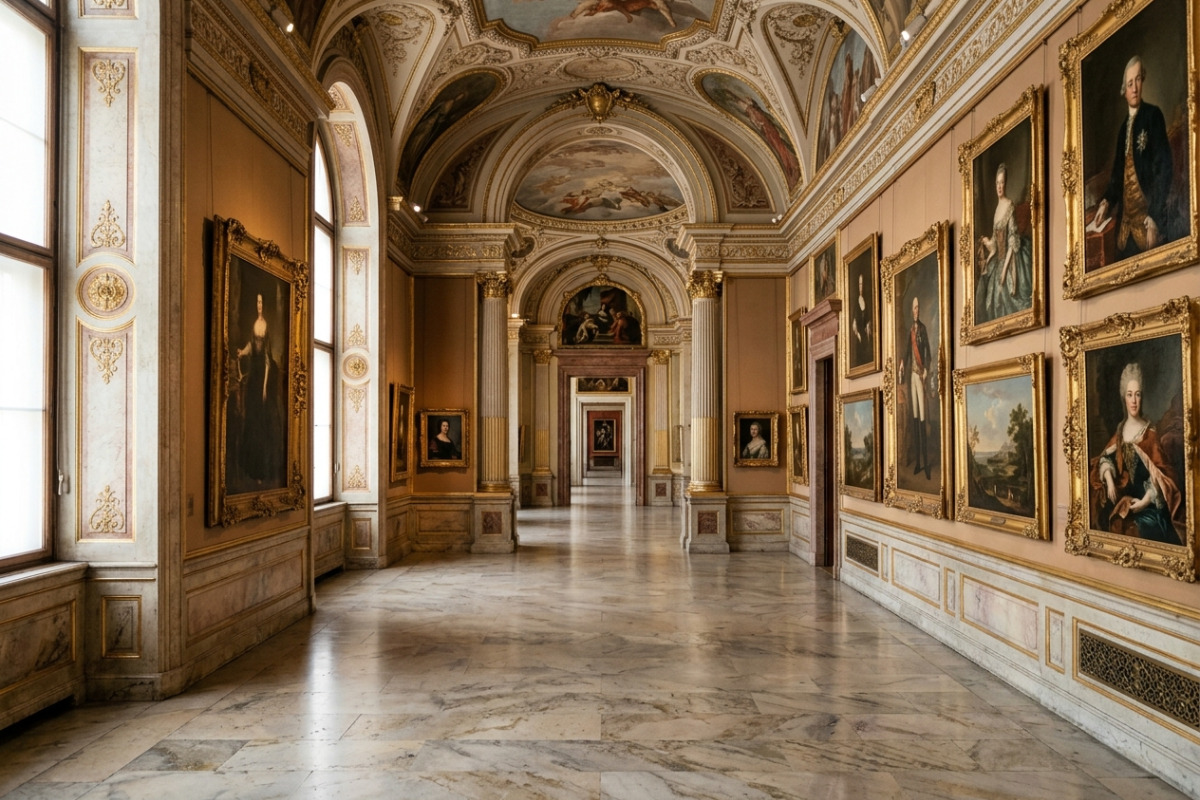
The furniture and decorative objects that once filled these rooms were as carefully curated as the architecture itself. While much of the original furniture has been dispersed or moved to other collections over the centuries, the fixed elements—the boiserie (wood paneling), the chandeliers, and the ceramic stoves—remain to tell the story. The interior design reflects the 18th-century fascination with the exotic, particularly the Chinoiserie style, which can be seen in the Gold Cabinet.
The Gold Cabinet in the Upper Belvedere is a prime example of this trend. It was a private retreat for the Prince, walls lined with mirrors and gold, designed to display his collection of East Asian porcelain. The room feels like the inside of a jewelry box. This intimacy contrasts sharply with the public halls, showcasing the private side of Baroque living.
Comparison of Key Interior Spaces
| Room Name | Primary Design Feature | Atmosphere & Function |
| Sala Terrena | Four massive Atlantes statues | Transitional, structural, supportive |
| Grand Staircase | Ornate stucco and sweeping steps | Ceremonial, theatrical ascension |
| Marble Hall | Reddish-brown marble & ceiling fresco | Majestic, official, imposing |
| Carlone Hall | Illusionistic wall paintings | Airy, artistic, mythological |
| Gold Cabinet | Mirrors, gold leaf, Chinoiserie | Intimate, exotic, luxurious |
Why the Belvedere Interiors Captivate Us Today
In our modern era of minimalism and functional design, the interiors of the Belvedere offer a refreshing escape into a world of maximalism and narrative architecture. The design does not apologize for its excess; rather, it celebrates the human capacity for creativity and craftsmanship. Every curve of stucco and every brushstroke on the ceiling was applied by human hands, without the aid of modern technology.
Visiting the Belvedere is a reminder that interior design is a storytelling medium. The flow from the Sala Terrena to the Marble Hall tells a story of rising from the earth to the heavens, from the mundane to the magnificent. Whether you are an art historian or a casual traveler, the enchantment of these rooms lies in their ability to transport you across time, making you feel, even for a moment, like a guest of the Prince in the golden age of Vienna.