Vienna's Coffee House Culture: A Sip of Tradition
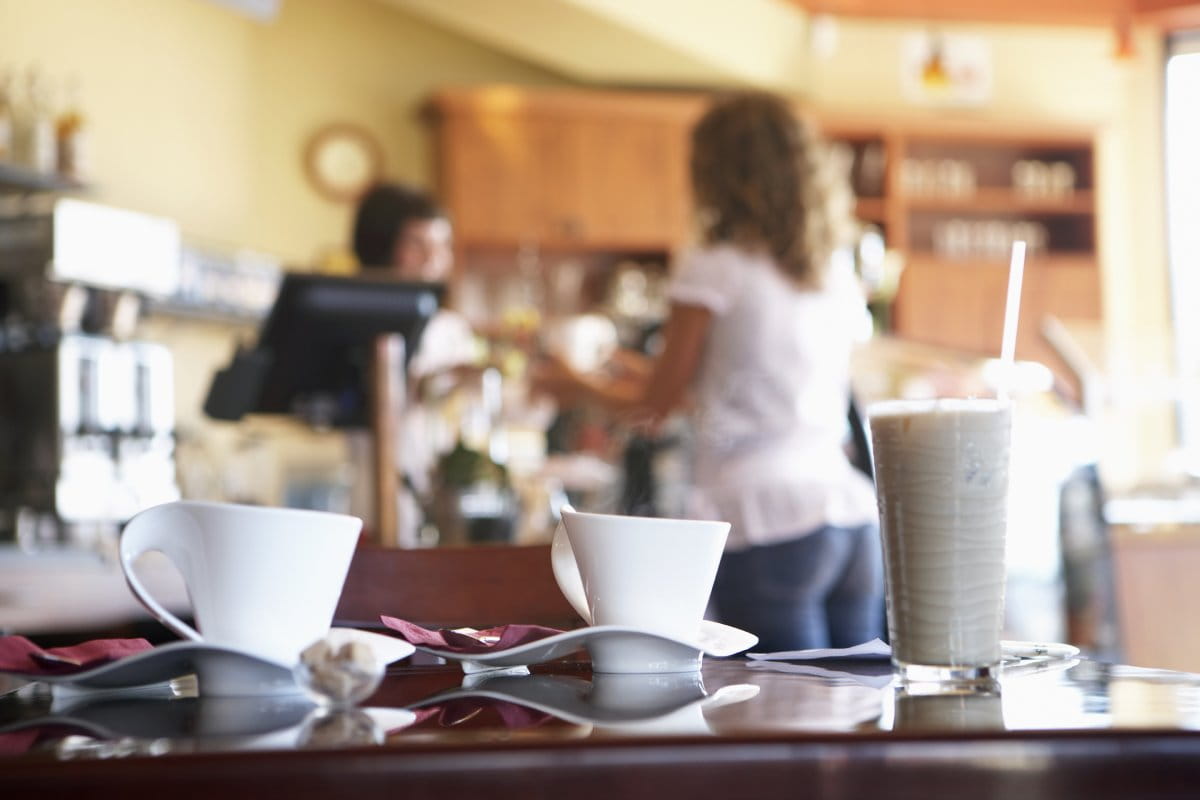
Stepping into a traditional Viennese coffee house is like crossing a threshold into a different era, one where time seems to slow down amidst the clinking of silver spoons and the rustle of newspapers. As we navigate the crisp winter days of January 2026, the allure of these warm, wood-paneled sanctuaries is stronger than ever. [Görsel: Geleneksel bir Viyana kahvehanesinin iç mekanı, müşterilerin kahve içip gazete okuduğu bir sahne] The air is thick with the aroma of freshly roasted beans and sweet pastries, creating an atmosphere that is distinct to the Austrian capital. This is not merely a place to grab a quick caffeine fix; it is a cultural institution, a second living room, and a stage where the drama of daily life has played out for centuries. To understand Vienna, one must understand its coffee houses, recognized by UNESCO as an Intangible Cultural Heritage for good reason.
The Extended Living Room: Understanding the Vibe
The concept of the Viennese coffee house differs significantly from the modern, fast-paced coffee shops found elsewhere in the world. Here, the purchase of a single cup of coffee buys you not just a beverage, but the right to sit for hours without being disturbed or pressured to order more. It is a haven for writers, thinkers, friends, and solitary observers alike, offering a unique blend of privacy and companionship. You are alone, yet surrounded by people, enveloped in a sense of belonging that requires no interaction if none is desired. The furniture often reflects this permanence, with marble tabletops, velvet upholstery, and Thonet chairs that have withstood the test of time and trends.
This social fabric is woven with unwritten rules of relaxation and intellectual exchange. In the past, famous figures like Sigmund Freud, Leon Trotsky, and Gustav Klimt used these spaces as their offices and debating halls. Today, that spirit remains intact. Whether you are reading a book, working on a laptop, or engaging in a spirited debate about politics or art, the coffee house accommodates it all. It is a democratic space where a student can sit next to a CEO, both enjoying the same high-quality service and the same slice of history. [Görsel: Sigmund Freud'un bir Viyana kahvehanesinde oturduğu tarihi bir fotoğraf veya illüstrasyon]
From Siege to Sip: A Brief History
The origins of Vienna’s coffee obsession are steeped in legend and date back to the fateful year of 1683 during the second Turkish siege of the city. As the story goes, when the Ottoman army was forced to retreat, they left behind sacks of strange green beans which the Viennese initially thought were camel feed. Jerzy Franciszek Kulczycki, a Polish officer and spy who had lived in the Arab world, recognized them as coffee beans. He was granted the license to open the city's first coffee house, and he innovated the bitter brew by adding milk and honey, arguably creating the blueprint for the Viennese style we know today.
By the 19th century, the coffee house had evolved into the epicenter of cultural and intellectual life. It was the golden age of the Kaffeehaus, where literature was written, revolutions were planned, and romances blossomed. Despite the turbulence of the 20th century, these institutions survived, adapting to modern times while fiercely guarding their traditions. In 2026, they stand as resilient monuments to a slower, more thoughtful way of life, proving that some traditions are timeless enough to withstand the digital age.
Decoding the Menu: Viennese Coffee Specialties
Walking up to the counter and simply ordering a "coffee" will likely earn you a confused look from the waiter, known locally as the Herr Ober. The Viennese coffee menu is extensive and specific, with a terminology that can be daunting for first-time visitors. Each variation offers a different ratio of espresso, milk, foam, and water, often served in a specific type of cup or glass. To help you navigate your order like a local, here is a breakdown of the most essential varieties you will encounter.
| Coffee Name | Description | Best For |
| Wiener Melange | Similar to a cappuccino but milder. One shot of espresso topped with steamed milk and milk foam. | Breakfast or mid-morning warmth. |
| Verlängerter | An espresso diluted with hot water (similar to an Americano), served with or without milk on the side. | Those who prefer a lighter, less intense coffee. |
| Einspänner | Strong black coffee served in a glass handle mug, topped with a generous dollop of whipped cream. | Indulgence and dipping pastries. |
| Kleiner/Großer Brauner | A single or double espresso served with a small jug of milk or cream on the side to mix yourself. | Purists who want to control their milk ratio. |
| Fiaker | Strong coffee served in a glass with rum or cognac, topped with whipped cream and a cherry. | Cold winter afternoons. |
Rituals and Etiquette of the Coffee House
There is a distinct rhythm to the service in a Viennese coffee house that sets it apart from other hospitality experiences. Upon taking your seat, you will notice that every coffee is served on a small silver tray. Accompanying your cup is a glass of tap water, often with a spoon balanced across the top. This glass of water is not an afterthought; it is a crucial part of the ritual, intended to cleanse the palate so you can fully appreciate the coffee's flavor. Furthermore, the waiter will refill this water glass frequently without you having to ask, a subtle signal that you are welcome to stay as long as you like.
Another key element of the experience is the availability of newspapers. Traditional houses maintain a wide selection of international and local newspapers on wooden holders for patrons to read. In an age of smartphones, seeing people engrossed in physical broadsheets is a refreshing sight. When visiting, keep these tips in mind:
- Patience is a virtue: Service can be slow by design. Do not wave frantically at the waiter; a simple eye contact or a slight nod is sufficient.
- Choose your seat wisely: In many old cafes, you can choose your own table. Window seats are prime real estate for people-watching.
- Tipping: Rounding up the bill is customary and appreciated, usually by about 5% to 10%.
- Dress code: While casual wear is generally accepted, some of the more upscale venues appreciate a smart-casual approach.
Iconic Institutions You Must Visit
Vienna is dotted with hundreds of coffee houses, ranging from the opulent to the bohemian. However, a few stand out as guardians of the tradition, each offering a slightly different slice of history. Café Central is perhaps the most famous, located in the Palais Ferstel. With its cathedral-like vaulted ceilings and grand architecture, it was once the meeting place of Trotsky and Freud. While it attracts a queue of tourists, the interior beauty and the quality of their patisserie make it worth the wait. [Görsel: Café Central'in iç mekanının geniş açılı bir fotoğrafı]
For a more intimate and authentic 19th-century feel, Café Sperl is an excellent choice. Its interior has remained largely unchanged for over a century, featuring billiard tables and cozy booths that offer plenty of privacy. It is a favorite among locals who want to escape the hustle of the city center. Meanwhile, Café Hawelka offers a darker, more artistic atmosphere. Known for its smoky (historically, not literally anymore) bohemian vibe and its famous Buchteln (sweet yeast buns filled with jam), it feels like a step back into the post-war artistic scene of Vienna. [Görsel: Café Hawelka'nın dış cephesinin veya iç mekanının atmosferik bir fotoğrafı]
The Sweet Companions: Pastries and Cakes
No guide to Viennese coffee culture would be complete without mentioning the desserts. Coffee here is rarely consumed alone; it is almost always accompanied by a slice of cake or a pastry. The glass display cases near the entrance of most cafes are tempting shrines to sugar and butter. The Sachertorte, a dense chocolate cake with apricot jam and chocolate glaze, is world-renowned, but do not overlook the Apfelstrudel, served warm with vanilla sauce, or the Topfenstrudel, a cream cheese strudel that is lighter but equally delicious. [Görsel: Sachertorte, Apfelstrudel ve Topfenstrudel'in yan yana sergilendiği iştah açıcı bir fotoğraf]
Vienna's coffee house culture is more than a tourist attraction; it is a living, breathing part of the city's identity. It reminds us that in a world obsessed with speed, there is immense value in slowing down, savoring a conversation, or simply enjoying the bitter-sweet harmony of a Melange and a slice of cake. As you explore the streets of Vienna, let the coffee houses be your anchor, offering warmth and tradition in every cup.
Further Exploration: Recommended Coffee Houses
To help you delve deeper into Vienna's coffee house scene, here are a few more recommendations:
- Café Landtmann: A grand café near the Burgtheater, known for its elegant atmosphere and extensive menu.
- Café Prückel: A classic coffee house on the Ringstraße, showcasing 1950s design.
- Café Bräunerhof: A traditional café frequented by intellectuals and artists, offering a glimpse into Vienna's literary past.