The Raw Emotion of Egon Schiele: A Guide to His Belvedere Masterpieces
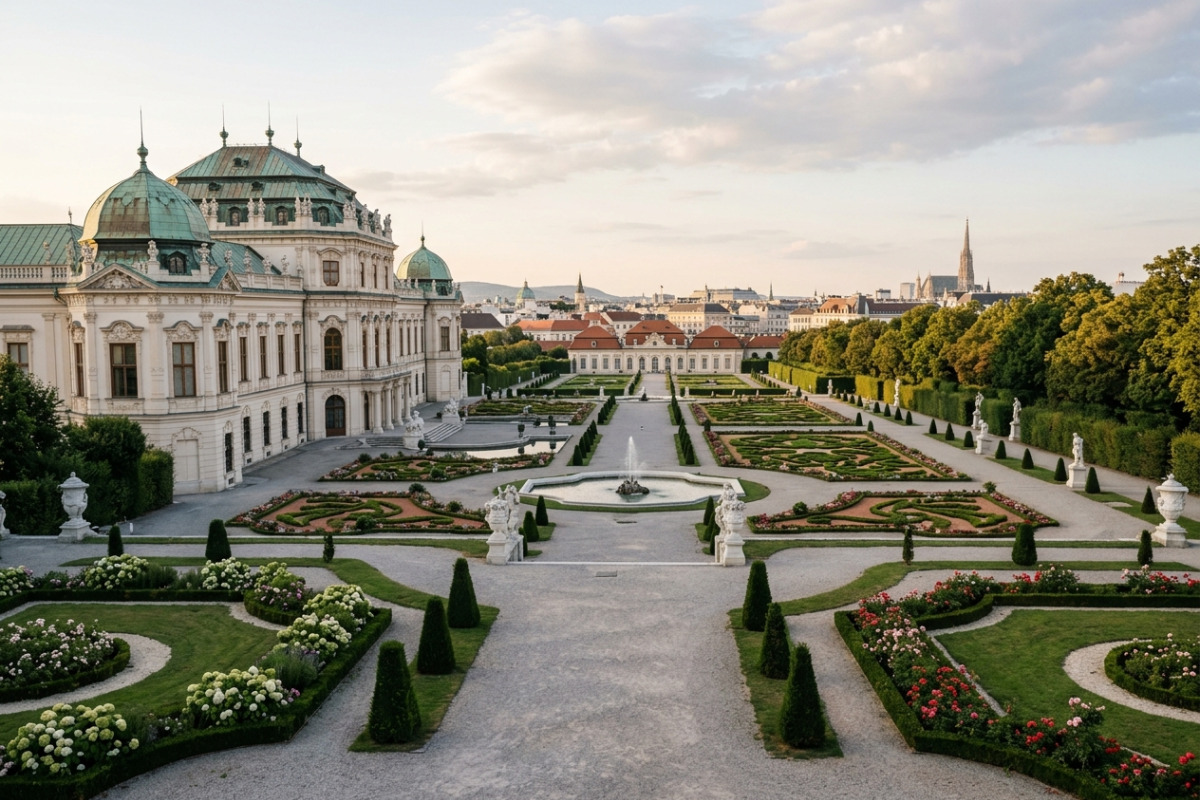
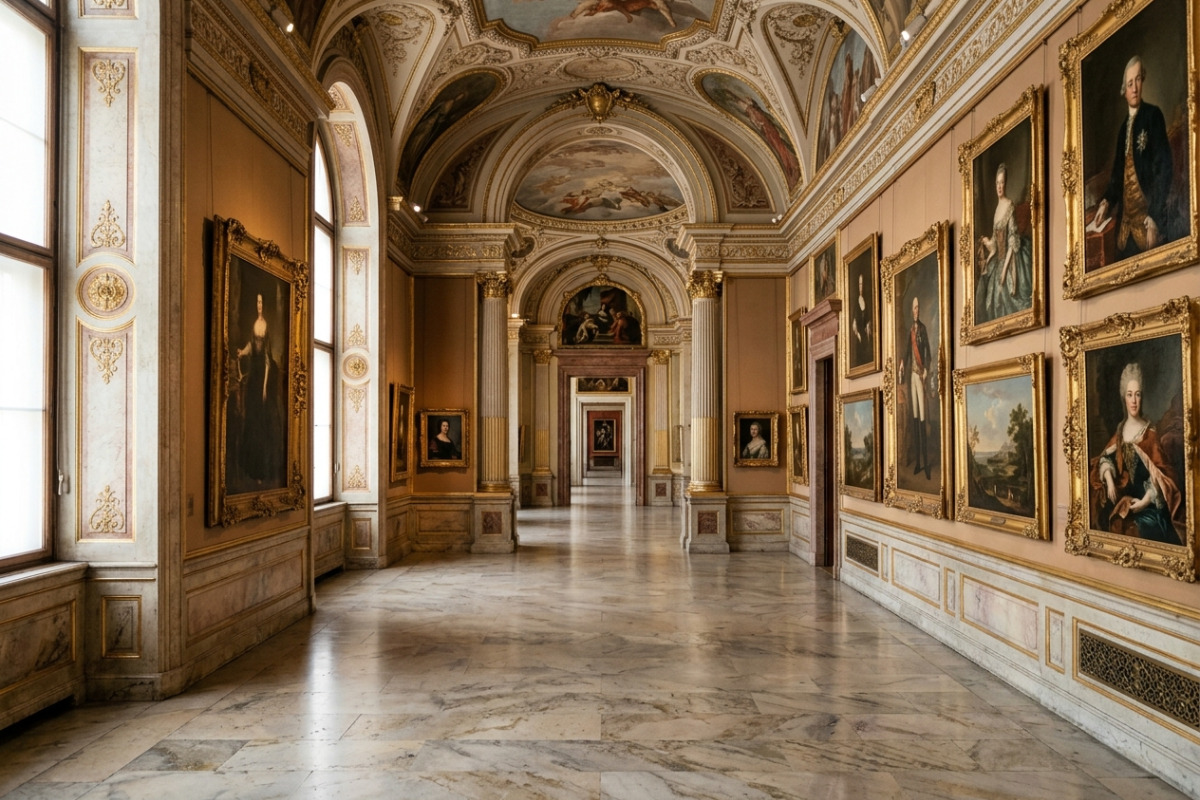
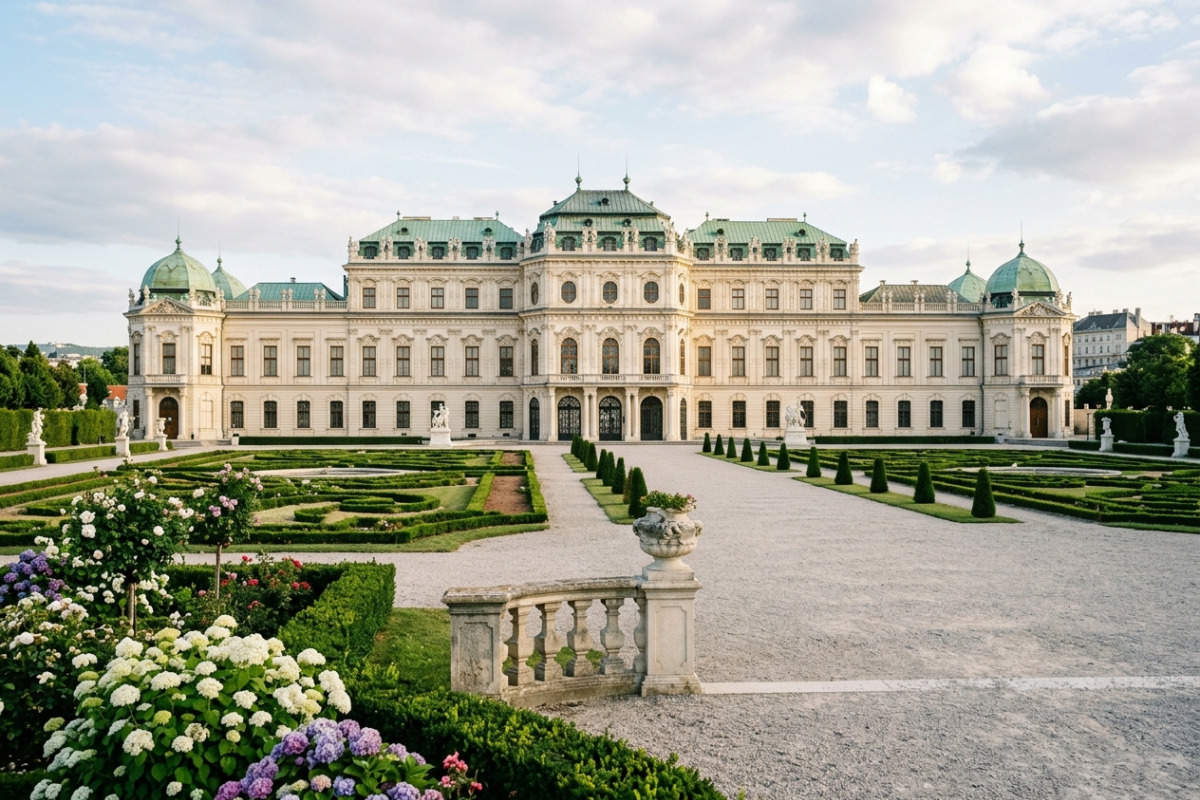
Walking through the grand, baroque halls of the Upper Belvedere in Vienna, visitors are often prepared for imperial splendor and the golden radiance of Gustav Klimt. However, nestled within this prestigious collection lies a body of work that offers a stark, jarring, and utterly captivating counterpoint: the paintings of Egon Schiele. While the Belvedere is rightfully famous for housing Klimt’s The Kiss, it is Schiele’s raw, unflinching portrayals of the human condition that often leave the deepest psychological impact on viewers. As we move through January 2026, Schiele’s work feels as modern and provocative as it did over a century ago, speaking to the timeless vulnerability of existence.
Schiele did not paint to please the eye in the traditional sense; he painted to shake the soul. His figures are not idealized deities but fragile, contorted, and deeply human beings. For the art lover traveling to Vienna, understanding Schiele is essential to understanding the city’s complex intellectual history. This guide delves into the raw emotion behind his brushstrokes, examining how he transformed the canvas into a mirror of inner turmoil and how his masterpieces at the Belvedere continue to define the essence of Austrian Expressionism.
From Ornament to Agony: Breaking Away from Klimt
To truly appreciate the shockwaves Schiele sent through the Viennese art world, one must first understand his relationship with his mentor, Gustav Klimt. Klimt was the master of the Vienna Secession, known for his decorative, mosaic-like patterns and the sensual, dreamlike quality of his subjects. Schiele revered Klimt, and in his earliest works, the influence is undeniable. However, the younger artist quickly realized that the ornamental façade was not enough to contain the intensity of what he wanted to express. Where Klimt used gold leaf to elevate his subjects to a mythical status, Schiele used jagged lines and somber earth tones to ground them in a harsh reality.
The transition from Klimt’s style to Schiele’s signature expressionism represents a shift from the exterior to the interior. Klimt clothed his figures in elaborate robes that hid the body; Schiele stripped them bare, exposing not just their skin but their nerves, muscles, and anxieties. This rebellion was not born of disrespect but of a desperate need for authenticity. Schiele sought to depict the 'pathology' of the modern soul, moving away from the decorative Art Nouveau style toward a visual language that screamed rather than whispered.
- Line Work: Unlike Klimt’s flowing, harmonious curves, Schiele’s lines are nervous, angular, and often look as though they were carved rather than painted.
- Color Palette: He abandoned the bright golds and jewels for bruised purples, sickly greens, and deep, autumnal oranges that suggest decay and mortality.
- Subject Matter: While Klimt celebrated the erotic fusion of lovers, Schiele often highlighted the isolation of the individual, even when they were in physical contact with another.
The Psychological Depths of the Human Form
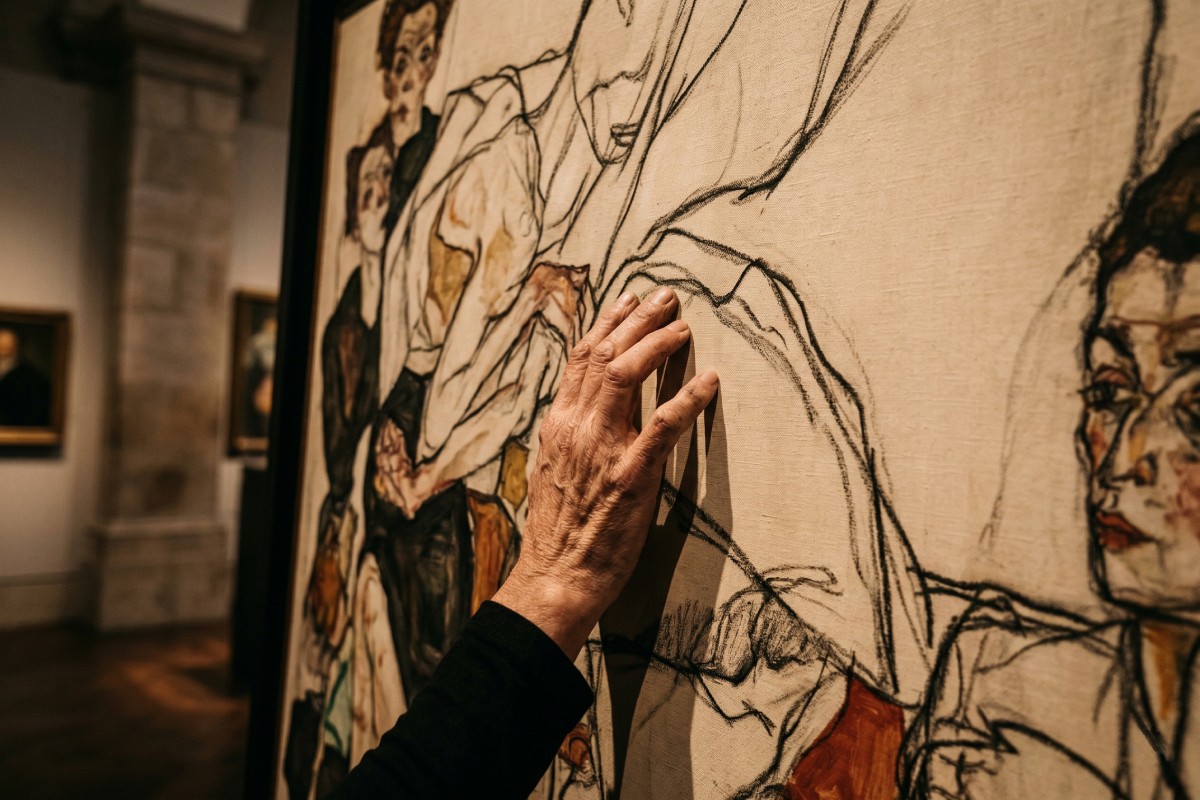
Schiele’s revolutionary approach to the human form is what cemented his place as a pioneer of Expressionism. He treated the body as a landscape of emotion, often elongating limbs and twisting torsos into impossible positions to convey psychological tension. When you stand before a Schiele portrait in the Belvedere, you are not looking at a photographic likeness; you are looking at a map of the sitter’s psyche. The hands are often oversized and skeletal, grasping at the air or clutching the body in self-protection, serving as a focal point for the subject's anxiety.
This contortion was never accidental. It was a deliberate stylistic choice designed to unsettle the viewer and evoke a visceral reaction. Schiele forced the viewer to confront uncomfortable truths about sexuality, death, and decay. His subjects often look directly out of the canvas with a gaze that is both challenging and pleading. This direct engagement breaks the 'fourth wall' of the painting, making the viewer an active participant in the emotional drama unfolding before them. It is this psychological depth that makes his work feel so incredibly modern, resonating with the anxieties of the 21st century just as it did with the collapsing society of 1918 Vienna.
Analyzing the Masterpiece: The Embrace (Lovers II)
Among the Belvedere’s treasures, The Embrace (Lovers II) stands out as one of Schiele’s most hauntingly powerful compositions. Painted in 1917, a year before his tragic death, this work offers a rare glimpse into a softer, yet still intensely desperate, side of the artist. Unlike his earlier, more aggressive sexual depictions, The Embrace is suffused with a profound sense of tenderness and tragedy. The painting depicts a couple—believed to be Schiele and his wife, Edith—locked in a tight clasp on a crumpled white sheet, viewed from a high, almost voyeuristic angle.
What makes this piece so compelling is the palpable tension between intimacy and fear. The figures are not just holding each other; they are clinging to one another as if the world around them is dissolving. The composition is tight and claustrophobic, emphasizing their isolation. The frantic, scribbled texture of the hair and the sharp folds of the bedsheet contrast with the relatively softer modeling of the flesh, creating a dynamic visual rhythm. It is a portrayal of love in the shadow of war and death, capturing a fleeting moment of connection in a chaotic world.
Key Elements to Observe in 'The Embrace':
- The Hands: Notice how the hands are emphasized. They are large and expressive, anchoring the couple together. The desperation in the grip suggests a fear of separation.
- The Perspective: The bird’s-eye view makes the couple look vulnerable, as if they are huddled together for safety against an external threat.
- The Texture: The brushwork is visible and energetic. Schiele applies the paint in a way that gives the surface a tactile, almost rough quality, distinct from the smooth finishes of academic art.
Beyond Portraits: Schiele’s Landscapes
While Schiele is most famous for his figurative work, the Belvedere collection also highlights his genius as a landscape painter. Works like Four Trees (1917) demonstrate that he applied the same anthropomorphic intensity to nature as he did to humans. In Schiele’s eyes, a tree was never just a tree; it was a living, suffering entity. In Four Trees, the setting sun casts a melancholic red glow over a landscape where the trees stand like ragged sentinels against a darkening sky.
These landscapes are often interpreted as allegories for human emotion. The trees in his paintings are frequently stripped of leaves, their branches reaching out like skeletal arms. The stark contrast between the warm, burning colors of the sunset and the cold, dark lines of the landscape creates a sense of impending doom—perhaps a reflection of the Great War that was ravaging Europe at the time. Viewing these landscapes provides a necessary breath of air between the intense psychological portraits, yet they carry the same emotional weight.
A Guide to Schiele’s Works at the Belvedere
To help you navigate the Belvedere’s extensive collection, here is a breakdown of the key Schiele works you will encounter. Understanding the context of each piece will enhance your viewing experience.
| Painting Title | Year | Primary Themes |
| The Embrace (Lovers II) | 1917 | Intimacy, desperation, human connection, vulnerability. |
| Death and the Maiden | 1915 | Tragic separation, grief, the inevitability of death. |
| Four Trees | 1917 | Melancholy, nature as a mirror for the soul, resilience. |
| Portrait of Eduard Kosmack | 1910 | Psychological penetration, the hypnotic gaze, inner tension. |
| The Family | 1918 | Unfinished masterpiece, hope vs. despair, tragic foreshadowing. |
The Enduring Legacy of Viennese Modernism
Leaving the Belvedere after viewing these masterpieces, one carries the weight of Schiele’s world with them. His work challenges the notion that art must be beautiful to be valuable. Instead, he proved that art must be true. By exposing the rawest edges of human emotion, Schiele changed the course of Expressionism forever, influencing generations of artists who sought to look beneath the surface of reality.
Schiele's influence extends far beyond the art world. His unflinching honesty and exploration of the human psyche continue to resonate with contemporary artists, filmmakers, and musicians. His works command high prices at auction, a testament to his enduring appeal and the increasing recognition of his genius. Exhibitions dedicated to his art draw massive crowds worldwide, solidifying his place as one of the most important figures of the 20th century.
Visiting the Belvedere is not just about seeing famous paintings; it is about witnessing a pivotal moment in history where the old world of imperial Vienna collided with the brutal modernity of the 20th century. Egon Schiele stands at that intersection, his brush capturing the beauty in the breakdown. As you step back out into the gardens of the palace, the contrast between the manicured baroque lawns and the turbulent emotions you’ve just witnessed inside serves as a final, poignant reminder of the power of his art.
Planning Your Visit to See Schiele at the Belvedere: The Belvedere Museum regularly features Egon Schiele's works in its permanent collection and special exhibitions. To make the most of your visit, check the museum's official website for current exhibitions, opening hours, and ticket information. Consider joining a guided tour focusing on Viennese Modernism to gain deeper insights into Schiele's life and artistic context. The Belvedere is easily accessible by public transport and offers a range of amenities, including audio guides and a museum shop where you can purchase prints and books related to Schiele's art.