Restoration Efforts: Preserving the Splendor of Belvedere Palace
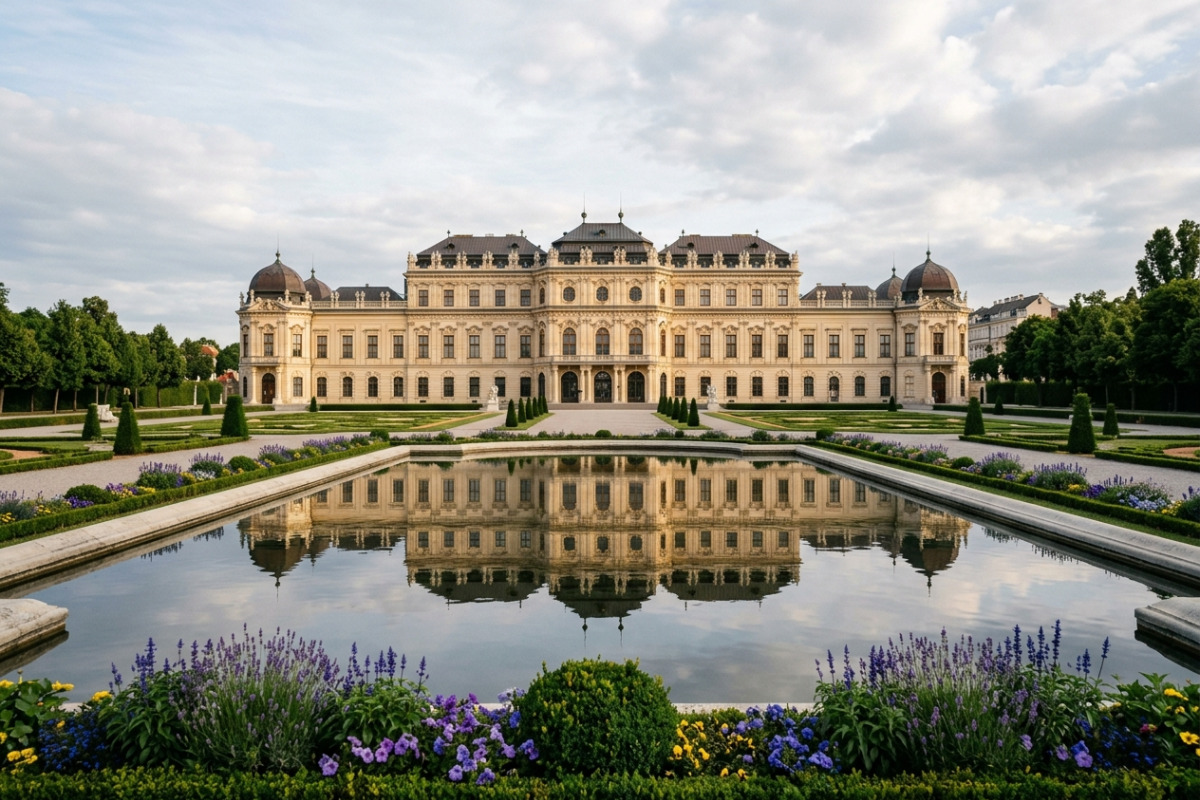
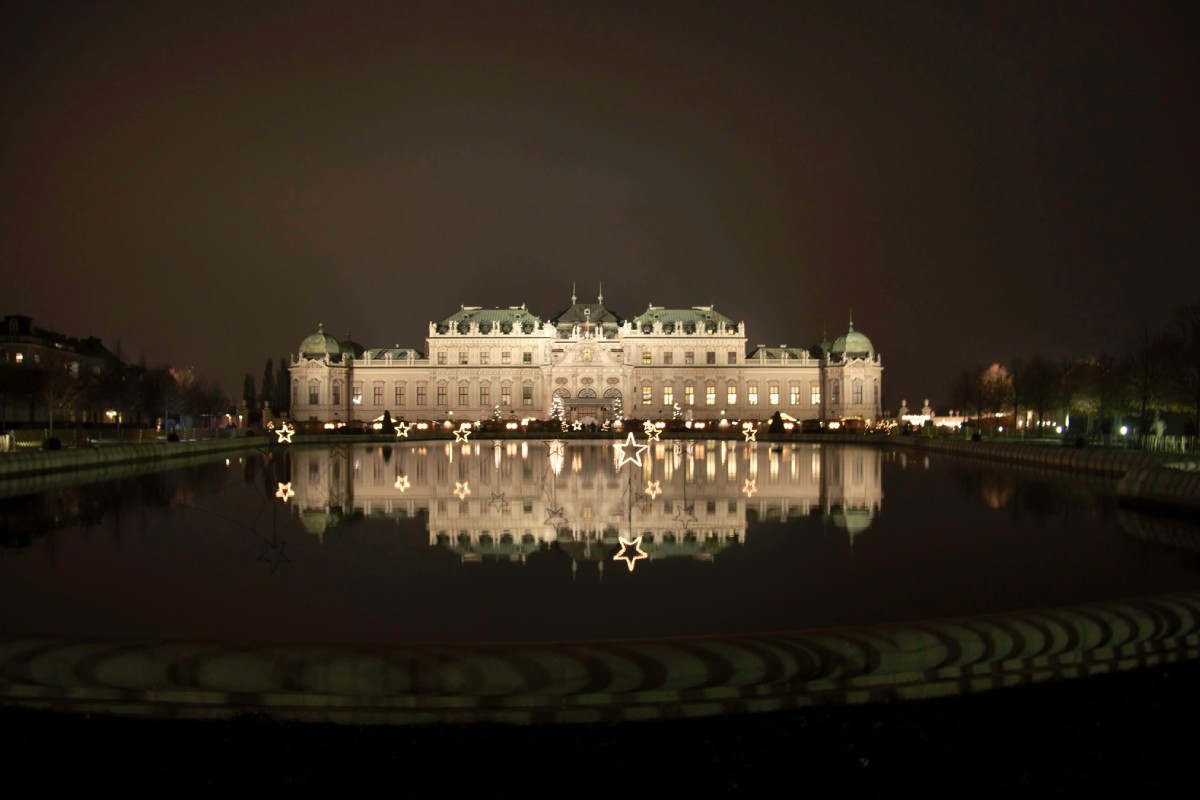
Walking through the ornate gates of the Belvedere complex in Vienna, visitors are immediately transported back to the early 18th century, a time of imperial grandeur and artistic flourishing. However, the pristine Baroque facades and the vibrant frescoes that define this UNESCO World Heritage site do not maintain themselves. Behind the scenes, a dedicated team of conservators, architects, and historians engages in a continuous battle against the ravages of time, weather, and pollution. As we navigate through 2026, the ongoing restoration efforts at Belvedere Palace represent more than just maintenance; they are a profound commitment to cultural stewardship, ensuring that the legacy of Prince Eugene of Savoy continues to inspire awe for generations to come.
The Philosophy of Preservation: More Than Meets the Eye
Restoring a landmark as significant as the Belvedere is not simply about fixing what is broken; it is about respecting the original intent of the architects, Johann Lucas von Hildebrandt and his contemporaries. The philosophy guiding these efforts is one of "minimal intervention," aiming to stabilize and clean the structure without erasing the patina of history that gives the palace its character. Every project undertaken here involves a rigorous phase of research and analysis before a single brushstroke is applied or a stone is moved. Experts must decipher historical construction methods to ensure that modern repair materials are compatible with centuries-old substances, preventing chemical reactions that could cause further damage.
The challenge lies in striking a delicate balance between freezing the building in time and adapting it to the needs of the modern world. With millions of visitors walking these halls annually, the physical stress on the flooring and the fluctuations in humidity caused by large crowds pose significant threats. Consequently, preservationists are tasked with integrating state-of-the-art climate control and structural reinforcements in ways that are completely invisible to the naked eye. This silent work is the backbone of the museum's longevity, allowing the art and architecture to take center stage while the technology hums quietly in the background.
Tackling the Exterior: Battling the Elements
The exterior of the Upper and Lower Belvedere bears the brunt of Vienna's changing climate, facing everything from scorching summer heat to freezing winter dampness. Over the last decade, and continuing into 2026, a major focus has been the restoration of the intricate stucco work and the sandstone statues that adorn the facades. Atmospheric pollution, particularly from urban traffic, creates a dark crust on these surfaces, obscuring the delicate details carved by master craftsmen. The cleaning process is painstaking, often involving laser technology or micro-abrasive blasting to remove grime without harming the stone beneath.
Another significant challenge is the roof structure. The iconic copper domes and slate tiles require constant vigilance to prevent water ingress, which is the ultimate enemy of historic buildings. Recent projects have focused on re-waterproofing these vast expanses using traditional materials that match the historical aesthetic while providing superior protection. Below is a comparison of how restoration approaches have evolved over time to tackle these exterior challenges:
| Aspect | Traditional Approach (Pre-2000s) | Modern Approach (2026 Standards) |
| Stone Cleaning | Chemical washes and high-pressure water, often causing erosion. | Laser cleaning and nebulized water misting for gentle dirt removal. |
| Structural Analysis | Visual inspection and invasive probing. | 3D scanning, thermal imaging, and ultrasonic testing (non-invasive). |
| Material Sourcing | Using readily available modern cement or substitutes. | Creating custom lime mortars chemically matched to 18th-century originals. |
| Documentation | Hand-drawn sketches and film photography. | Digital twin modeling and cloud-based data logging for future reference. |
Preserving the Interiors: A Sanctuary for Art
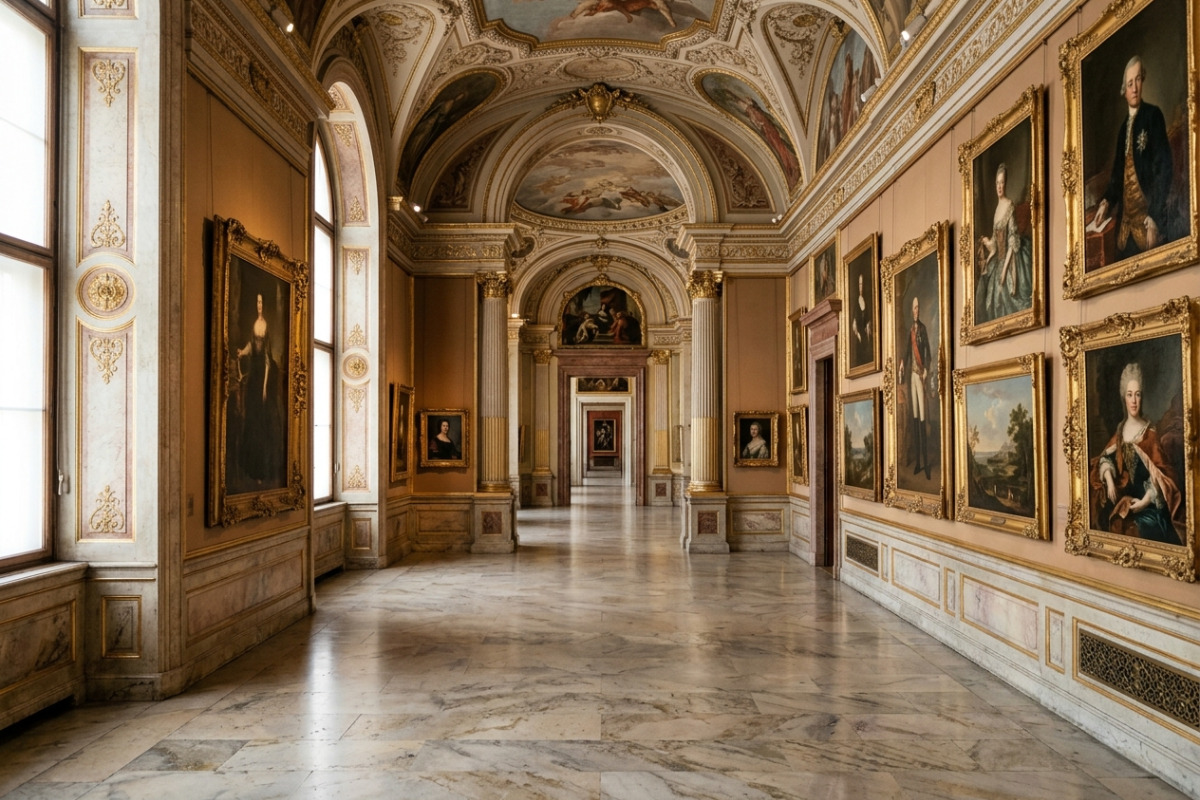
Moving inside, the stakes are even higher. The Belvedere is not just a palace; it is the home of Austria's most valuable art collection, including Gustav Klimt's The Kiss. The restoration of the interior spaces involves stabilizing the magnificent ceiling frescoes which are prone to cracking due to structural settling. Conservators work on scaffolding high above the marble floors, injecting adhesive into voids behind the plaster to reattach peeling sections. This work requires a steady hand and immense patience, as rushing the process could lead to the loss of irreplaceable artwork.
Furthermore, the Marble Hall in the Upper Belvedere has been a focal point of recent conservation efforts. The rich red marble and the gilded stucco frames require specific humidity levels to prevent deterioration. The success of these efforts is visible in the radiant sheen of the gold leaf and the deep, lustrous colors of the stone, which look as vibrant today as they did during the signing of the Austrian State Treaty in 1955. It is a triumph of science and art working in harmony.
The Living Restoration: The Belvedere Gardens
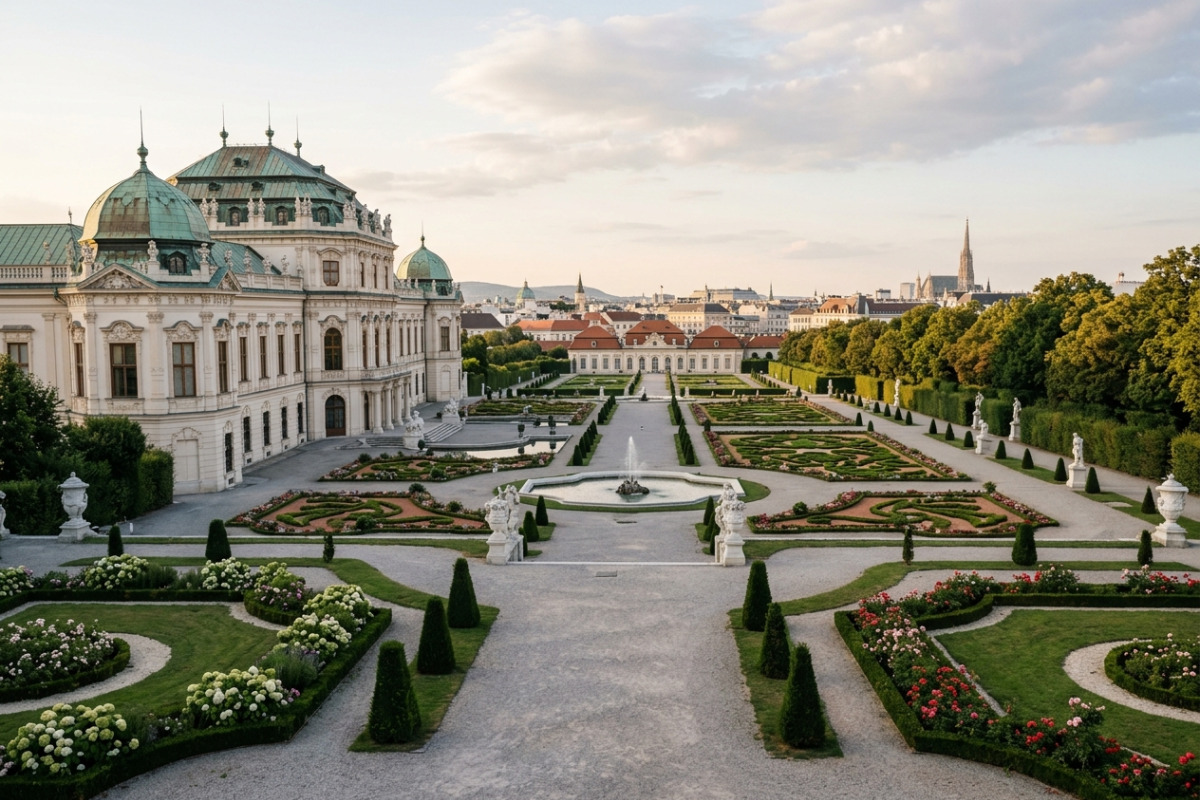
We often think of restoration as pertaining only to stone and mortar, but the Belvedere Gardens are a living monument that requires a different kind of preservation. As a supreme example of Baroque landscape architecture, the gardens are designed to be an extension of the palace's majesty. However, plants die, soil quality changes, and trees succumb to disease. The "restoration" here involves replanting historical species that were popular in the 1700s but may have fallen out of favor in modern gardening.
- Fountain Hydraulics: Revamping the centuries-old piping systems to ensure the fountains flow efficiently without leaking, often utilizing recycled water systems to be eco-friendly.
- Statuary Conservation: Protecting the garden sphinxes and muses from moss growth and frost damage during the harsh Viennese winters, often by covering them or applying protective coatings.
- Topiary Management: Meticulous pruning schedules to maintain the strict geometric shapes that define the Baroque style, requiring skilled gardeners who are also historians of landscape design.
- Pathways and Parterres: Re-aligning the gravel paths to their original axes to maintain the forced perspective optical illusions intended by the original designers.
Challenges and Future Outlook
Despite the successes, the path forward is not without obstacles. Funding is a perennial concern, as high-quality restoration is incredibly expensive. Sourcing skilled craftspeople who still possess the knowledge of traditional techniques—such as gilding, stone carving, and fresco painting—is becoming increasingly difficult in a digital world. Moreover, the impact of climate change creates unpredictable weather patterns that stress the building materials in new ways, forcing conservators to adapt their strategies constantly.
Yet, the commitment remains unwavering. The Belvedere continues to serve as a model for heritage management, demonstrating that with the right blend of respect for the past and utilization of modern technology, history can be kept alive. For the traveler, witnessing these efforts adds a layer of depth to the visit. You are not just looking at a static picture of the past; you are witnessing a living, breathing entity that is being loved and cared for by a dedicated community. As we admire the gleaming facade and the manicured gardens, we are reminded that we are merely custodians of this beauty, entrusted to preserve its splendor for those who will walk these paths long after we are gone.
Ready to witness this splendor firsthand? Plan your visit to Belvedere Palace today and immerse yourself in the art, history, and ongoing restoration efforts that make this landmark a true treasure. Book your tickets now!