Seasonal Beauty: The Transformative Gardens of Belvedere
Vienna is a city where history breathes through the architecture, but nowhere is the pulse of the seasons felt more profoundly than in the magnificent gardens of the Belvedere. Walking through these grounds is not merely a stroll through a park; it is a journey through a living piece of art that reinvents itself with the turning of the calendar. While the Upper and Lower Belvedere palaces stand as static monuments to Prince Eugene of Savoy’s grandeur, the space between and around them is a dynamic theater of nature. Whether you are visiting in the crisp silence of January 2026 or planning a sun-drenched summer escape, the gardens offer a distinct narrative that changes with the light, the temperature, and the flora.
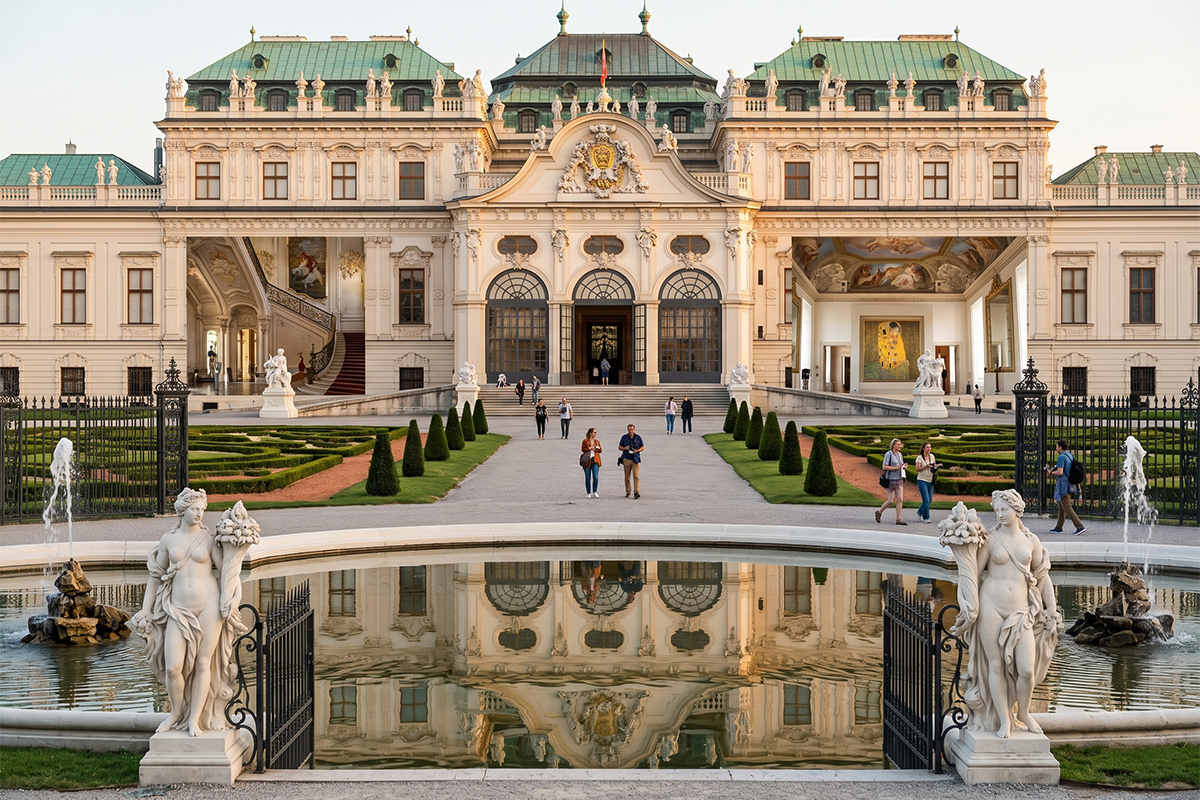
The concept of the garden as a continuation of the palace architecture is a staple of Baroque design, yet the Belvedere takes this to an extraordinary level. It serves as a connector, a gallery without a roof, and a sanctuary that attracts visitors year-round. The landscape architects of the 18th century, particularly Dominique Girard, designed these parterres to be impressive regardless of the weather, utilizing symmetry, water, and sculpture to ensure the visual impact remained powerful even when the flowers were dormant. Today, we explore how this UNESCO World Heritage site transforms, proving that there is no "wrong" time to visit this Viennese masterpiece.
The Awakening: Spring’s Floral Symphony
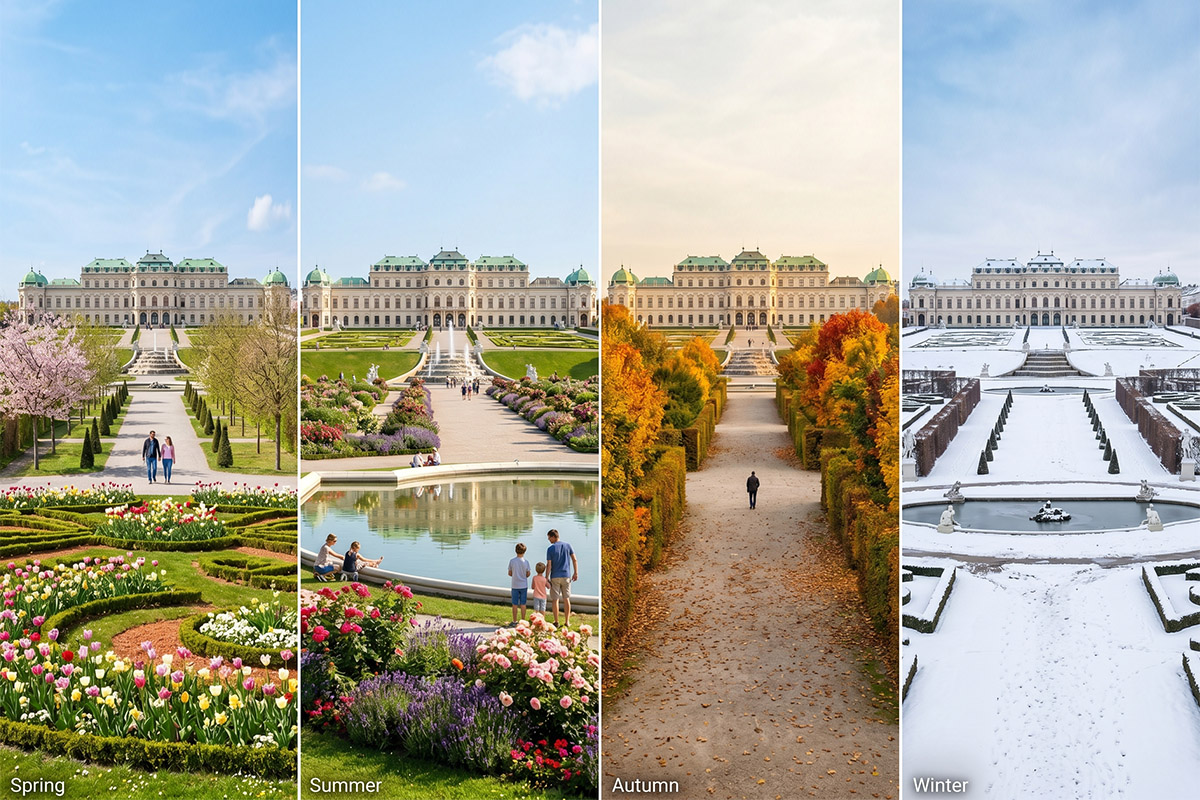
As the gray skies of Central Europe begin to lift, the Belvedere Gardens undergo a dramatic awakening that usually begins in late March. This is perhaps the most hopeful time to visit, as the stark geometric lines of the hedges are suddenly softened by the emergence of early bulbs. The gardeners at the Belvedere work tirelessly to ensure that the transition from winter to spring is seamless, planting thousands of tulips, daffodils, and hyacinths that burst into color, creating a vibrant carpet leading down the gentle slope toward the city center. The air, previously crisp and cold, begins to carry the faint, sweet scent of blossoming fruit trees and damp earth, signaling the return of life to the imperial grounds.
A highlight of the spring season is undoubtedly the reopening of the Alpengarten (Alpine Garden). Located next to the Upper Belvedere, this is one of the oldest alpine gardens in Europe and a true hidden gem for botanical enthusiasts. While the main parterres focus on symmetry and grandeur, the Alpengarten offers an intimate look at rare high-altitude flora.
- Early Bloomers: Witness the explosion of colors from rhododendrons and primulas that thrive in the cool spring air.
- Bonsai Collection: Spring is an excellent time to view the meticulously cared-for bonsai trees as they sprout fresh leaves.
- The Japanese Maple: Watch as the delicate leaves unfurl, offering a contrast of fresh green against the darker evergreens.
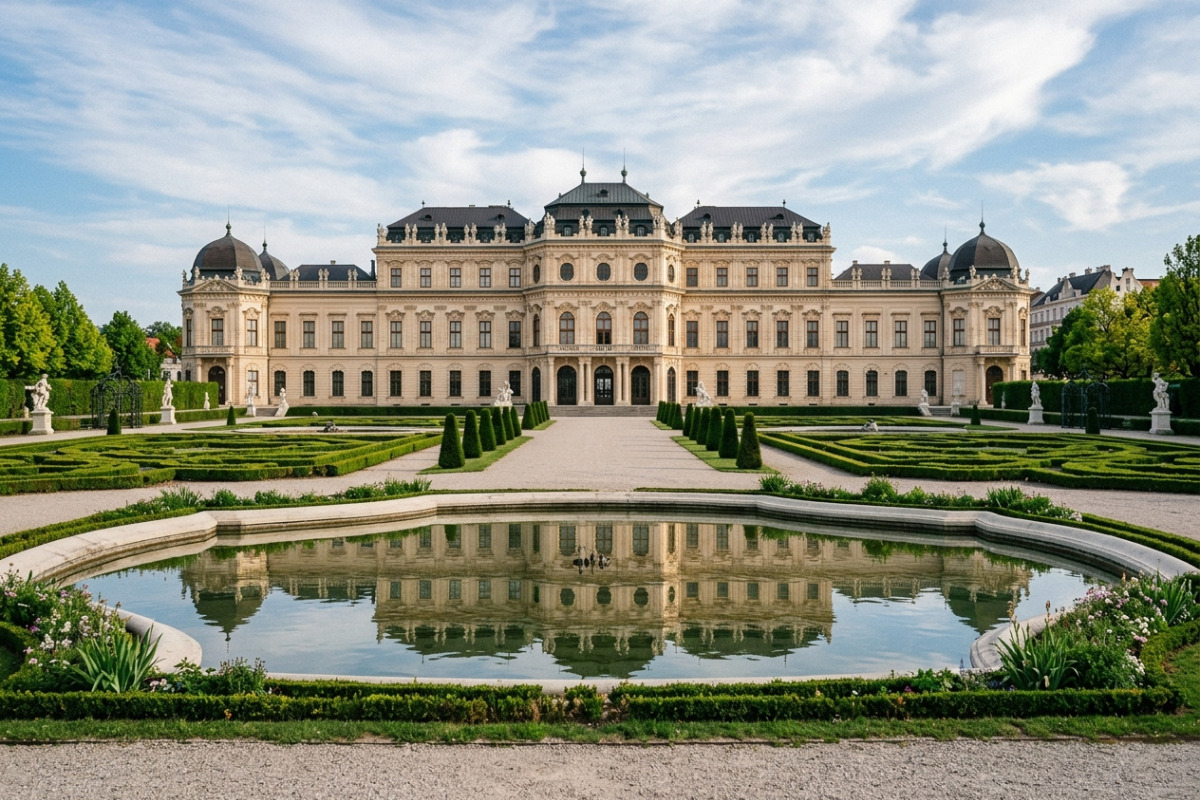
Spring also marks the return of the water features to their full glory. The fountains, which are drained during the freezing winter months, are refilled, and the sound of cascading water once again fills the air. The reflection of the Upper Belvedere in the main pool is clearest in the spring light, before the summer humidity sets in, making it a prime season for photographers seeking that perfect, mirror-like shot.
Summer: The Zenith of Imperial Splendor
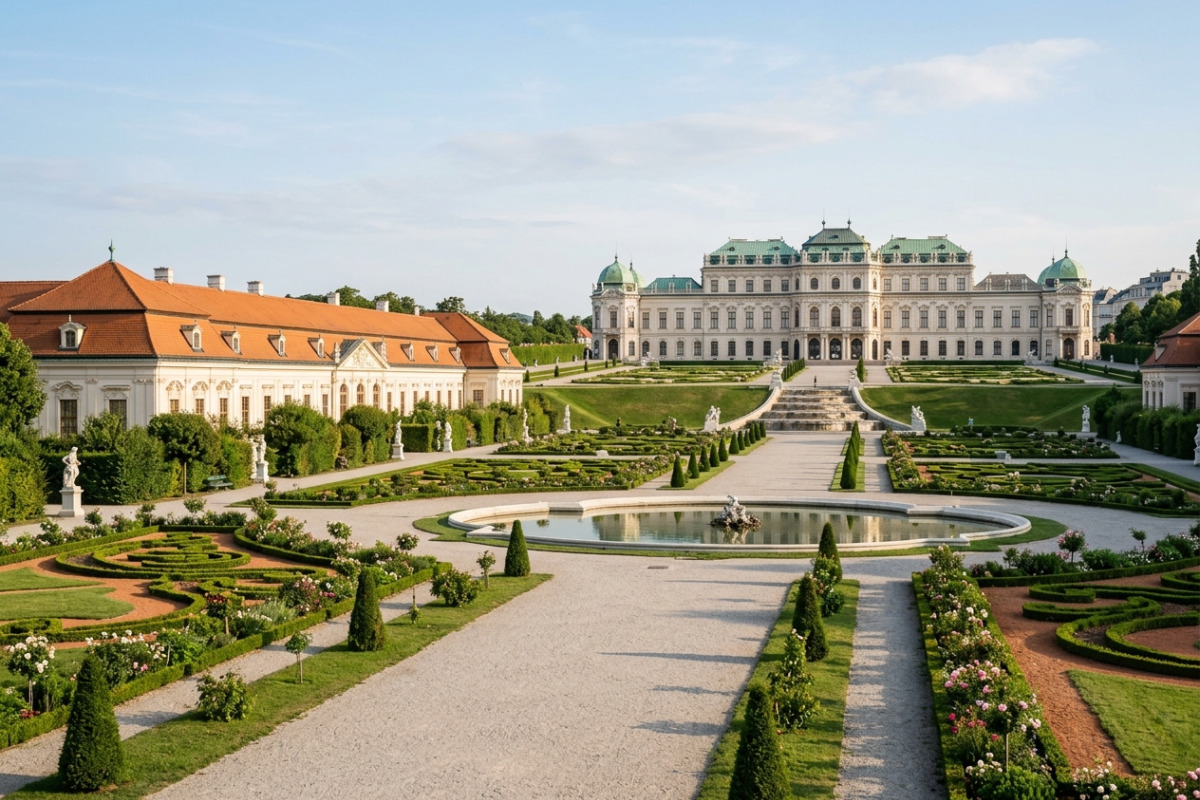
When summer arrives in Vienna, the Belvedere Gardens reach the height of their theatricality. This is the season the original architects likely envisioned when they designed the complex—a time when the sun illuminates every statue, and the long days allow for extended strolls through the gravel paths. The intricate broderie parterres (embroidery-like patterns created with boxwood and colored gravel) are at their most vibrant, meticulously trimmed to maintain the illusion of a green carpet unfurled for royalty. The contrast between the lush green lawns, the vibrant red and pink geraniums, and the white crushed stone paths creates a visual spectacle that defines the Viennese summer aesthetic.
During these warm months, the garden acts as a cooling refuge for both locals and tourists. The strategic placement of fountains and basins was not just for show; historically, they provided a psychological and physical cooling effect. Visitors today gravitate toward the Grand Cascade, where the sound of rushing water drowns out the distant hum of the city. The statues of sphinxes and mythological deities, basking in the intense sunlight, seem almost lifelike, casting long, dramatic shadows as the afternoon progresses into the evening.
The Golden Hour Experience
Summer offers the unique advantage of the "Golden Hour" late in the day. Because the Belvedere faces a specific orientation, the setting sun casts a warm, golden glow over the facade of the Upper Belvedere and the entire garden slope. This is the moment when the garden feels most magical, as the heat of the day dissipates and the sky turns shades of violet and orange above the Vienna skyline. It is a romantic atmosphere that draws couples and solitary thinkers alike, proving that the garden's allure extends far beyond its botanical components.
Autumn: A Canvas of Gold and Rust
As September fades into October, the Belvedere transforms into a melancholic yet breathtakingly beautiful landscape. Autumn in Vienna is legendary, and the gardens are the perfect place to witness the changing of the seasons. The manicured hedges remain green, but the deciduous trees framing the perimeter explode into shades of burnt orange, deep red, and mustard yellow. There is a poetic quality to the gardens in autumn; the falling leaves scatter across the orderly paths, introducing a touch of wild chaos to the disciplined Baroque layout.
The atmosphere changes noticeably; the crowds thin out, and the air becomes crisp and clear. This transparency of the atmosphere allows for incredible views of the city below. From the Upper Belvedere, looking down past the Lower Belvedere, the spires of St. Stephen's Cathedral seem sharper and closer against the autumnal sky. It is a season of texture, where the drying grasses in the ornamental beds add movement and rustling sounds to the sensory experience.
| Feature | Spring Experience | Autumn Experience |
| Color Palette | Pastels, bright greens, vibrant tulips | Golds, coppers, rusts, evergreen contrast |
| Atmosphere | Energetic, hopeful, awakening | Romantic, reflective, tranquil |
| Photography | Best for macro shots of flowers | Best for wide landscape shots with foliage |
| Crowd Levels | Moderate to High | Moderate to Low |
Winter: The Silent Enchantment
It is a common misconception that gardens lose their appeal in winter. At the Belvedere, the opposite is true; winter reveals the "bones" of the design. Without the distraction of colorful blooms, the genius of the landscape architecture becomes apparent. The clipped hedges, the symmetrical pathways, and the placement of the sculptures create a monochrome graphic masterpiece. Visiting in January, as we are now, allows you to appreciate the structural elegance that underpins the entire estate. The statues, often dusted with snow, take on a solemn, ethereal beauty, standing guard over the silent grounds.
The winter garden offers a sense of solitude that is impossible to find during the peak tourist season. The crunch of gravel underfoot (or snow, if the weather dictates) is often the only sound. The vista from the Upper Belvedere is particularly striking in winter; the bare trees open up lines of sight that are obscured in summer, allowing for a panoramic view of Vienna that feels intimate and expansive simultaneously. Furthermore, the stark white of the palace facades blends seamlessly with the gray and white winter palette, creating a unified visual experience that is deeply calming.
Why Winter Visits are Underrated
While the fountains are turned off to prevent freezing, the stillness of the basins reflects the sky in a unique way. The winter light in Vienna is low and soft, creating long shadows that emphasize the topography of the sloping garden. For those who appreciate architecture and sculpture, winter is arguably the best time to visit, as the garden’s layout—the connection between the Upper and Lower palaces—is most visible and comprehensible.
Planning Your Visit: Best Routes and Times
To fully appreciate the Belvedere Gardens, consider these routes and times tailored to each season:
- Spring: Start at the Upper Belvedere to witness the floral cascade down the slope. Visit mid-morning to catch the best light for photography and avoid the afternoon crowds. Don't miss the Alpengarten reopening.
- Summer: An early morning stroll is ideal to beat the heat. Focus on the Lower Belvedere and the surrounding parterres. In the evening, find a spot near the Upper Belvedere for the golden hour.
- Autumn: Begin at the Lower Belvedere and slowly ascend towards the Upper Belvedere, taking in the panoramic views of the city framed by the autumn foliage. Late afternoon offers the most dramatic lighting.
- Winter: Start at the Upper Belvedere to appreciate the architectural lines revealed by the bare trees. Midday provides the warmest light and the best chance of capturing the snow-dusted statues.
Practical Tips for Year-Round Visits
Regardless of when you choose to visit the Belvedere Gardens, a few practical considerations can enhance your experience. The gardens are free to enter during opening hours, making them an accessible luxury for all travelers. However, the terrain is expansive, and understanding the layout can help you make the most of your time.
- Footwear Matters: The paths are primarily gravel. Whether it is the dusty heat of summer or the dampness of autumn, comfortable, closed-toe walking shoes are essential for navigating the slope between the palaces.
- Timing is Everything: If you are visiting in summer, aim for early morning to avoid the heat and the largest crowds. In winter, midday is best to capture the most sunlight and warmth.
- Accessibility: The gardens are located on a slope. While there are paths, navigating from the Upper to the Lower Belvedere involves a descent. Visitors with mobility issues may prefer to visit the Upper and Lower sections separately from their respective street entrances rather than traversing the entire incline.
- Photography Rules: Tripods are generally not permitted without special permission, but handheld photography is encouraged. Respect the boundaries of the flower beds to ensure the garden remains pristine for future visitors.
The Belvedere Gardens are not merely a backdrop for the palaces; they are a destination in their own right. They serve as a testament to the idea that beauty is not static. It evolves, shifts, and adapts. From the hopeful blooms of spring to the structural dignity of winter, the gardens invite you to return again and again, promising a different, yet equally enchanting, experience every time.