A Day in the Gardens: Comparing Upper and Lower Belvedere
Vienna is a city that breathes history, not just through its imperial interiors and coffee house culture, but through the living, breathing architecture of its green spaces. Stepping into the grounds of the Belvedere Palace feels less like entering a park and more like walking into a painting that has been carefully curated for over three centuries. For travelers seeking a serene escape in the heart of the Austrian capital, the Belvedere gardens offer a narrative of power, art, and nature intertwined. However, visitors often realize too late that the grounds are not merely one continuous stretch of grass, but rather two distinct worlds: the Upper and the Lower Belvedere gardens.
While they are connected by a sloping hill and a shared history as the summer residence of Prince Eugene of Savoy, the two sections offer vastly different experiences. Whether you are a photography enthusiast chasing the perfect skyline shot or a weary traveler looking for a quiet bench amidst geometric hedges, understanding the nuances between these two landscapes is key to maximizing your visit. Let’s take a walk through this UNESCO World Heritage site and uncover the unique rhythm of each garden.
The Baroque Masterpiece: Understanding the Connection
Before diving into the differences, it is essential to appreciate the cohesive vision that binds the estate. Designed by the renowned landscape architect Dominique Girard in the early 18th century, the gardens were intended to serve as a seamless transition between the two palaces. The concept relies heavily on French Baroque principles: symmetry, optics, and the dominion of nature by art.
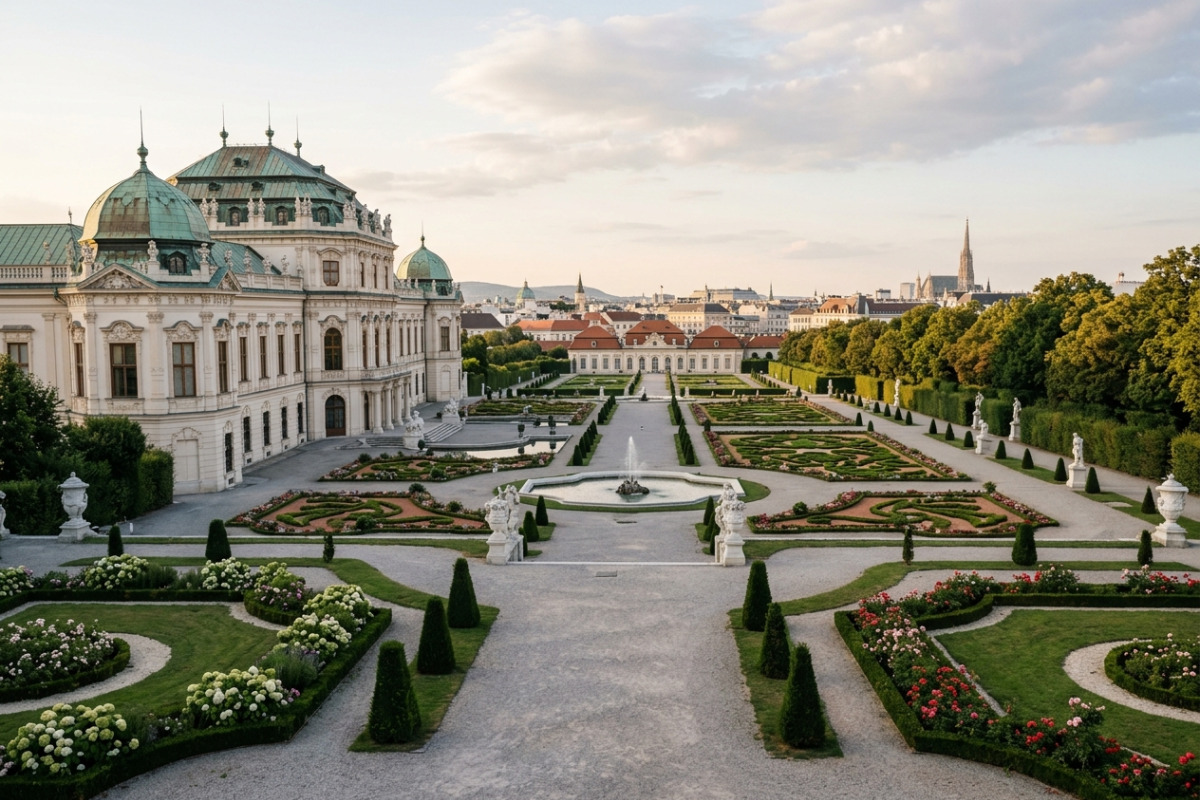
The layout is strictly symmetrical, centered around a main axis that draws the eye from the Lower Belvedere at the bottom of the slope up to the Upper Belvedere at the crest. This incline is not accidental; it was designed to represent a journey from the underworld to Olympus, symbolizing the ascent of the owner, Prince Eugene, in glory and status. Today, as we walk these paths in January 2026, the structural bones of this design remain as impressive as they were three hundred years ago, even when the winter silhouette exposes the rigid architecture of the hedges.
The Upper Belvedere Gardens: Grandeur and Panoramas
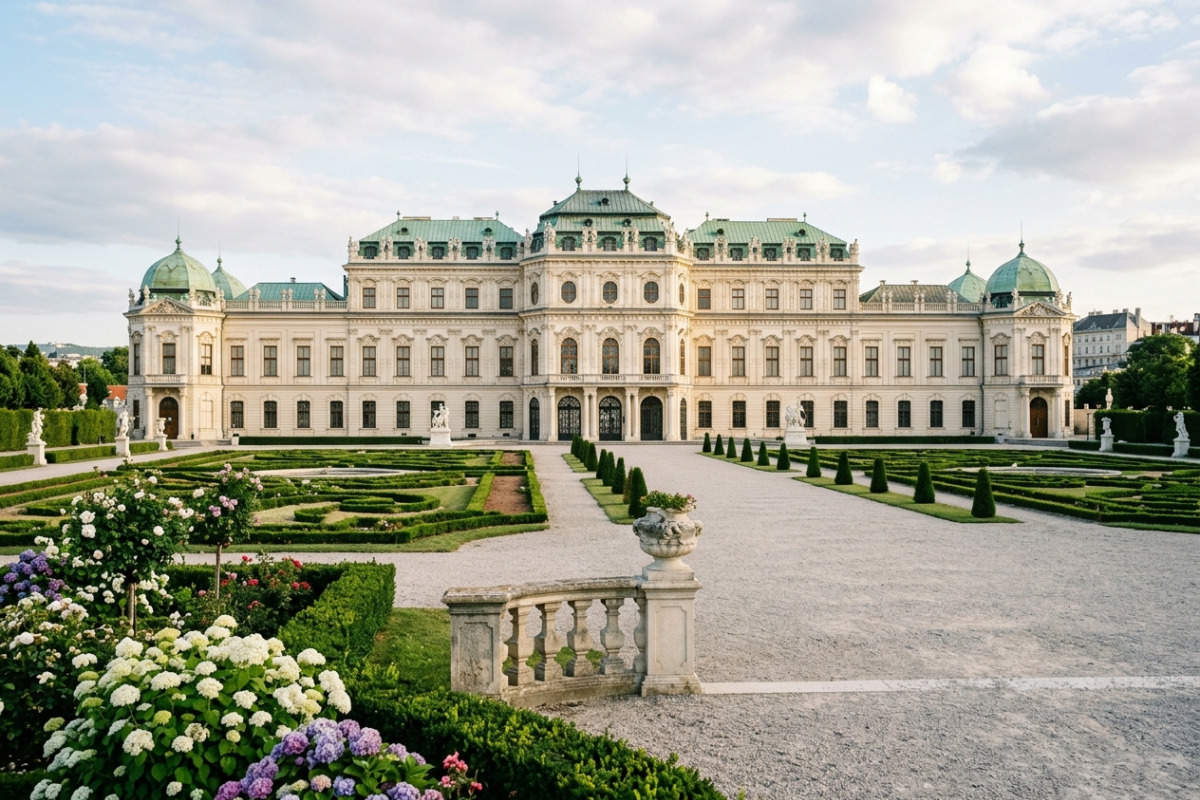
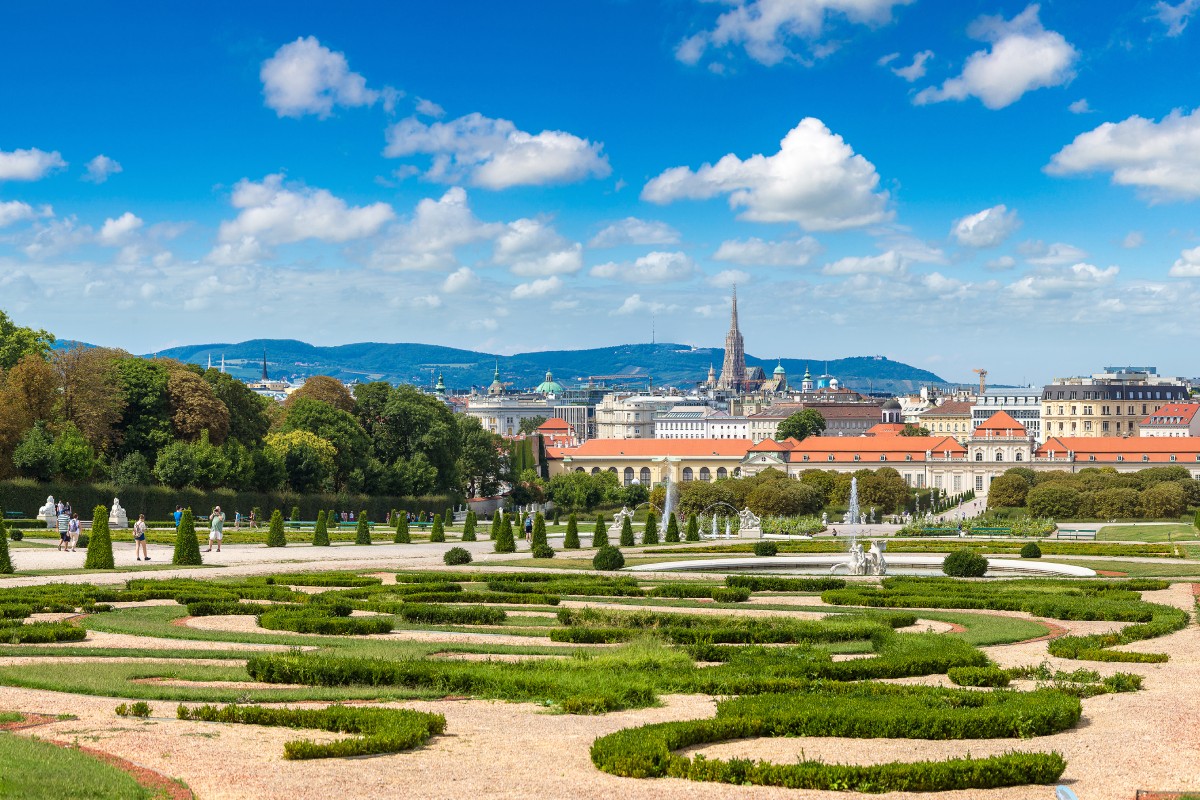
If you are looking for the "wow" factor, the Upper Belvedere is where you will find it. This section of the garden was designed to impress guests and project power. As you step out from the Upper Palace, the first thing that strikes you is the sheer scale of the space. It is open, airy, and commands one of the most famous views in Vienna—the "Canaletto View," named after the painter Bernardo Bellotto, whose depiction of the city from this vantage point remains iconic.
The Main Parterre and Water Basins
The area immediately in front of the Upper Palace is characterized by the Large Parterre. Here, the design focuses on water and reflection. The large basin serves as a mirror for the palace façade, creating a photographer's dream, especially on calm mornings when the water is still. The sculptures here are grand and mythological, featuring sphinxes that have become symbols of the Belvedere. These mythical creatures, with the bodies of lions and human heads, guard the terraces and add an air of mystery to the open landscape.
Because the Upper Garden sits on the highest point of the estate, it feels closer to the sky. The layout here is broader, designed to be seen from the palace windows above. It is a place of spectacle rather than seclusion.
The Alpine Garden (Alpengarten)
A unique feature located near the Upper Belvedere is the Alpine Garden. While it has seasonal operating hours (typically resting during the deepest winter months), it is a botanical treasure trove worth noting. It is the oldest Alpine garden in Europe, founded in 1803. Unlike the rigid, geometric baroque patterns of the main axis, this section mimics a natural mountain landscape, housing a vast collection of flora from the Alps and other mountain regions. It offers a stark, rugged contrast to the manicured perfection of the rest of the grounds.
The Lower Belvedere Gardens: Intimacy and Detail
Descending the slope toward the Lower Belvedere, the atmosphere shifts perceptibly. If the Upper Garden is the ballroom, the Lower Garden is the private study. This area was closer to Prince Eugene’s personal living quarters, and the landscape architecture reflects a desire for intimacy and intricate detail.
The Kammergarten (Privy Garden)
The crown jewel of the Lower section is the Kammergarten, or Privy Garden. Situated to the west of the Lower Palace, this area was originally reserved solely for the Prince and his closest companions. It is separated from the rest of the grounds, creating a "garden within a garden." The vibe here is quieter, more enclosed, and deeply relaxing.
In the Kammergarten, the focus shifts from grand vistas to botanical variety. The flower beds are more complex, and the pathways are narrower, encouraging a slower pace. Even in the colder months, the structure of the trellises and the evergreen plantings maintain a sense of a secret hideaway. It is the perfect spot to sit with a book or simply escape the noise of the city streets just beyond the walls.
Sculptures and Thematic Zones
As you explore the Lower gardens, you will notice the sculptures change in tone. While the Upper gardens feature sphinxes and grand deities, the Lower gardens and the connecting slopes feature statues representing the months of the year and the Muses. These figures are placed along the paths, inviting you to stop and inspect them up close. The cascades and fountains in the transition zone (though often dormant in winter to protect the pipes) are architectural marvels that guide the water—and the walker—down the hill in a rhythmic flow.
Upper vs. Lower: A Comparative Breakdown
To help you decide where to spend the majority of your time, here is a quick comparison of the two distinct landscapes:
| Feature | Upper Belvedere Gardens | Lower Belvedere Gardens |
| Primary Atmosphere | Grand, majestic, open, and panoramic. | Intimate, secluded, detailed, and private. |
| Best For | Photography, city views, and architectural admiration. | Quiet strolls, reading, and floral appreciation. |
| Key Element | The Reflection Pond and Sphinxes. | The Kammergarten (Privy Garden). |
| Topography | Flat plateau with terraced edges. | Level ground at the bottom of the slope. |
| Crowd Levels | Generally busier due to the view. | Often quieter and less crowded. |
Practical Tips for Your Garden Walk
Visiting the Belvedere gardens is a highlight of any Vienna trip, but a few insider tips can elevate the experience from good to unforgettable. The gardens are free to enter during the day, making them one of the best value experiences in the city.
- Walk Downhill: If you want to save your energy, take public transport to the Upper Belvedere (Quartier Belvedere station) and walk through the gardens downhill toward the Lower Belvedere. This allows you to enjoy the views without the physical exertion of climbing the slope.
- Golden Hour Magic: The Upper Belvedere faces a direction that catches the sunset beautifully. Arriving an hour before dusk allows you to see the palace façade glow in golden light, followed by the twinkling city lights of Vienna appearing below.
- Footwear Matters: The paths are made of gravel (standard for Viennese parks). While aesthetically pleasing, it can be dusty in summer and a bit muddy in wet winter weather. Comfortable, closed-toe walking shoes are highly recommended.
- Respect the Rules: The Viennese take their gardens seriously. Jogging is generally restricted in the main baroque parterres to preserve the tranquility, and walking on the grass is often prohibited to maintain the pristine geometric patterns.
A Serene Escape in Every Season
The Belvedere gardens, conceived by Prince Eugene of Savoy as an extension of his power and refined taste, have a rich history intertwined with the political and artistic currents of Vienna. Prince Eugene, a celebrated military leader, commissioned the palaces and gardens in the early 18th century. The gardens served not only as a pleasure ground but also as a stage for diplomatic receptions and lavish celebrations, reflecting his elevated status and influence. The design, meticulously executed by Dominique Girard, mirrored the Baroque ideals of control and order, transforming nature into a carefully orchestrated spectacle.
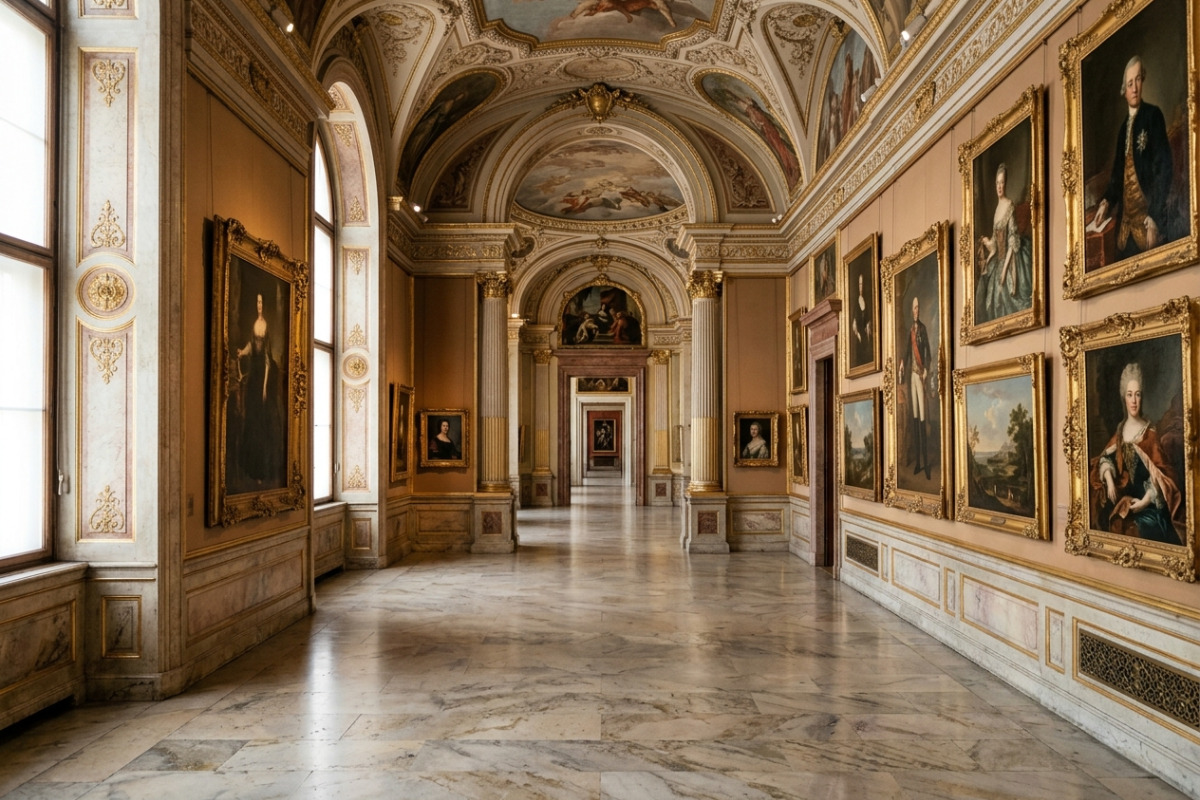
Today, while the gardens remain free to enter and explore during daylight hours, the palaces themselves house significant art collections. The Upper Belvedere, most famously, is home to Gustav Klimt's masterpiece, "The Kiss." For art enthusiasts, combining a visit to the gardens with a tour of the museum provides a comprehensive cultural experience. Please note that museum entry requires a ticket, and opening hours vary depending on the season. It's always recommended to check the official Belvedere website for the most up-to-date information before your visit.
Whether you find yourself marveling at the reflection of the palace in the Upper Garden's basin or tracing the intricate patterns of the Kammergarten in the Lower section, the Belvedere offers a respite for the soul. It is a place where the chaos of modern life fades away, replaced by the orderly beauty of the Baroque era.
The choice between Upper and Lower isn't really a choice at all—they are two chapters of the same story. The Upper impresses you, while the Lower embraces you. Together, they form a landscape that captures the essence of Vienna: grand yet intimate, historic yet timeless. So, take your time, breathe in the fresh air, and let the gardens reveal their secrets to you, one step at a time.