Vienna’s Window to Paris: The French Impressionist Treasures of the Belvedere
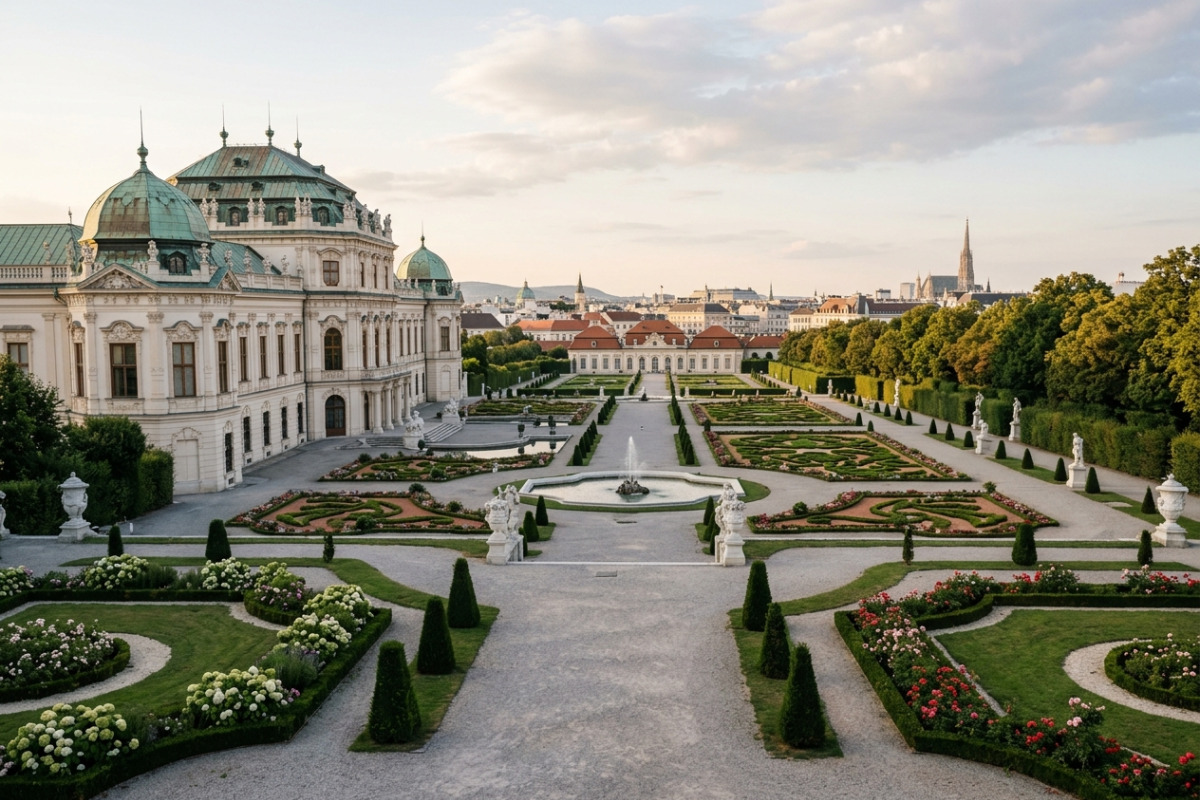
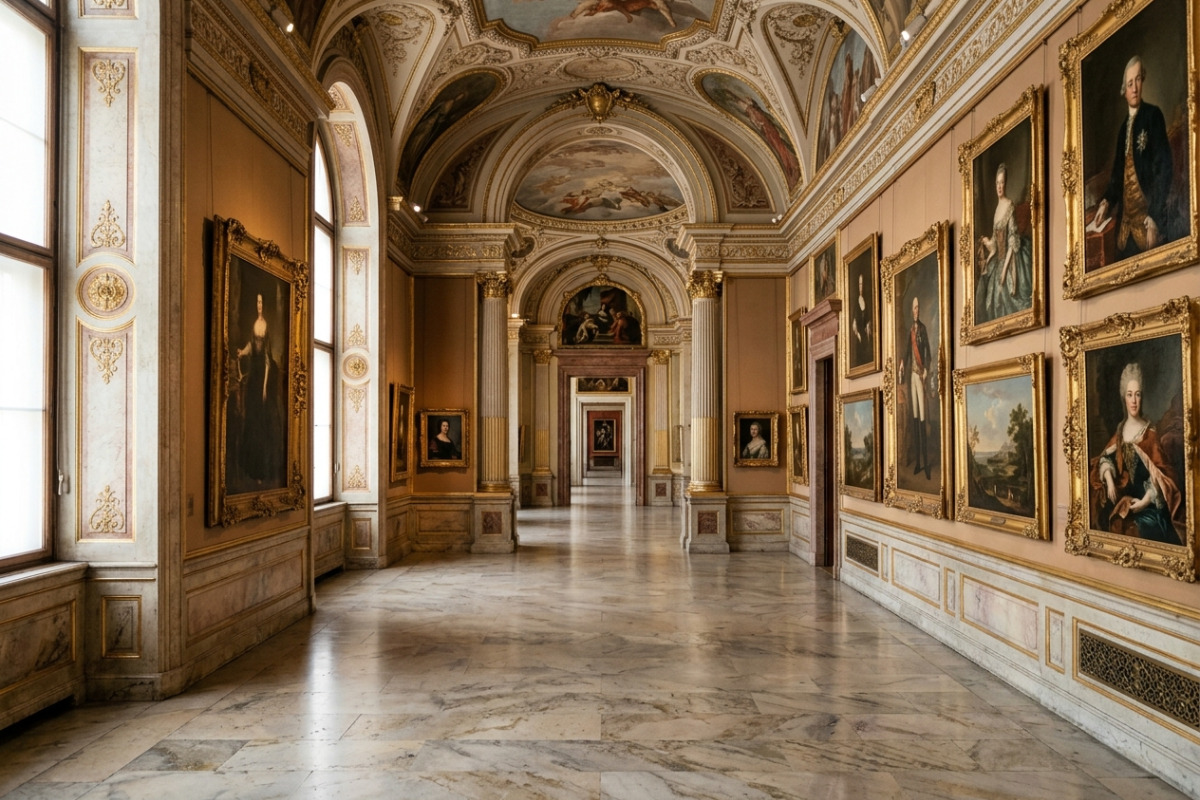
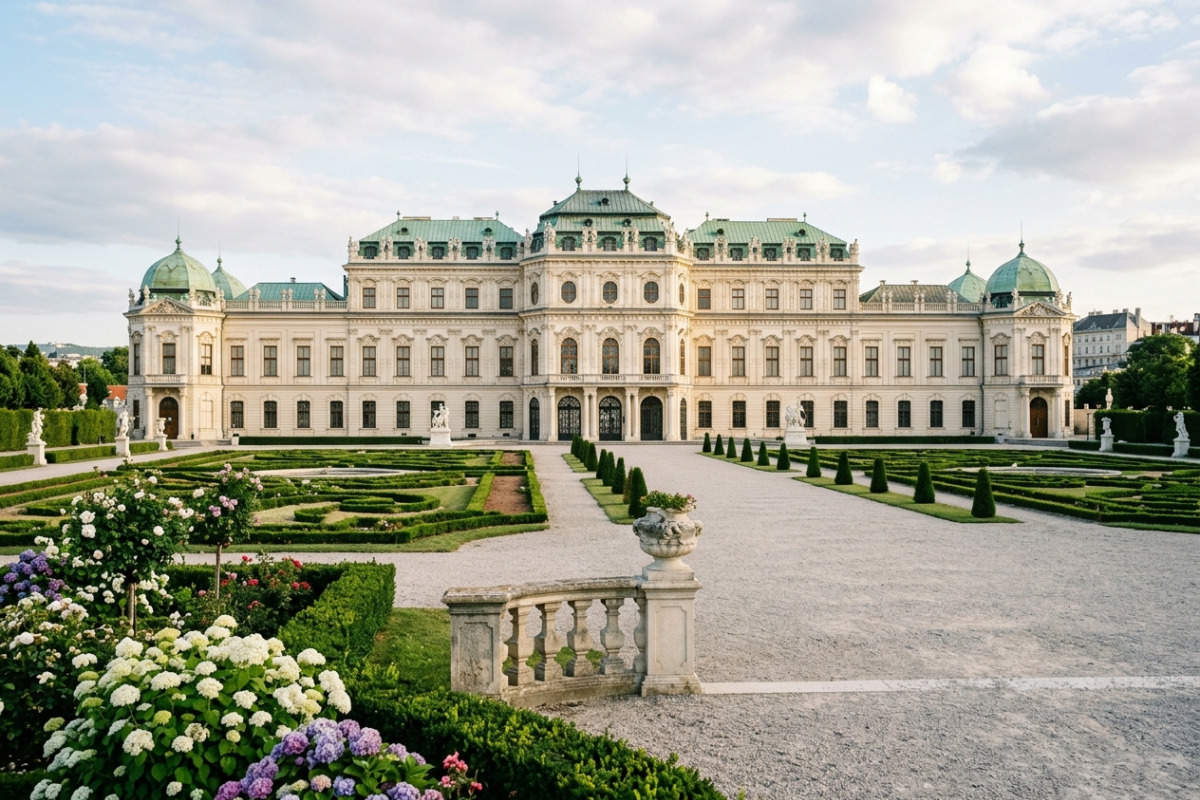
When travelers step through the baroque gates of the Belvedere in Vienna, their minds are often filled with anticipation of gold leaf, Art Nouveau curves, and the iconic embrace of Gustav Klimt’s The Kiss. However, nestled within these historic walls lies a surprising and vibrant dialogue with France that often catches visitors off guard. As we explore the museum’s galleries in January 2026, it becomes evident that the Belvedere is not just a shrine to Austrian art, but a testament to a pivotal moment when Vienna opened its windows to the light of Paris. The collection of French Impressionism housed here is more than just a gathering of pretty landscapes; it represents the catalyst that propelled Viennese Modernism into existence.
The presence of French masters in the heart of the Habsburg Empire tells a story of artistic rebellion and cross-cultural exchange. At the turn of the 19th century, while Vienna was steeped in academic tradition, a wind of change was blowing from the West. The acquisition of these works was a bold statement, signaling that Vienna was ready to embrace the fleeting moments, the broken brushstrokes, and the radical color theories that were scandalizing the salons of Paris. Today, walking through these rooms offers a unique opportunity to see how the giants of French art—Manet, Monet, and Renoir—laid the groundwork for the local geniuses we celebrate today.
A Tale of Two Cities: The Paris-Vienna Connection
To understand the significance of this collection, one must appreciate the artistic climate of Vienna around 1900. The local art scene was dominated by the Künstlerhaus, which favored historical conservatism. However, the founding of the Vienna Secession changed everything. Artists like Gustav Klimt and Carl Moll looked toward Paris not with disdain, but with hunger. They saw in Impressionism a liberation from the rigid rules of the academy. The Belvedere, under the visionary direction of curators who supported the Secessionists, began acquiring French art to educate the public and inspire local painters.
This cultural bridge transformed the way Viennese artists approached their canvases. It was no longer about painting history or mythology with photographic precision; it was about capturing Stimmung—mood and atmosphere. The French works brought into the museum served as study pieces, teaching the locals that a shadow wasn't just black, but a composition of deep blues and violets, and that light could be the primary subject of a painting.
The Masters of Light: Monet, Renoir, and Manet
The Belvedere’s French collection is intimate yet incredibly powerful, featuring works that showcase the evolution of the movement. These paintings are not merely decorative; they are revolutionary statements that redefined the perception of reality.
Claude Monet: The Shimmering Atmosphere
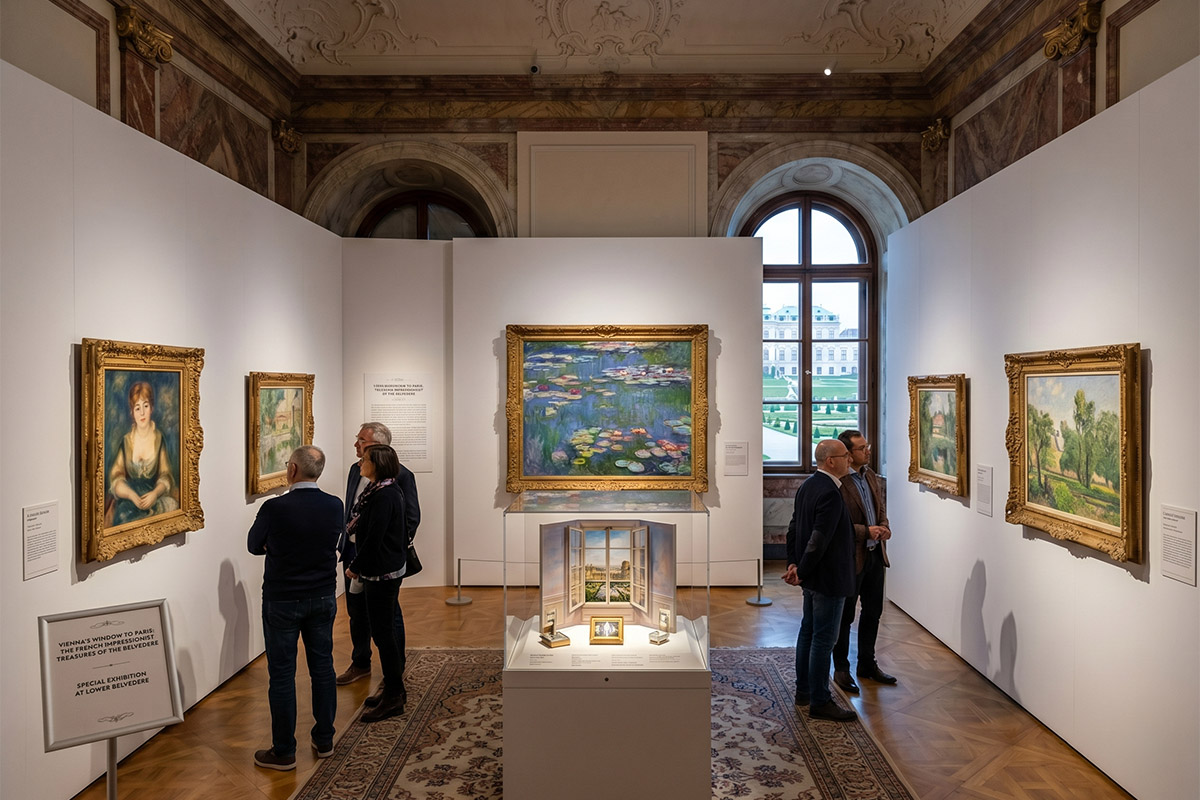
Claude Monet is represented in the collection by works that perfectly illustrate his obsession with light. Standing before his landscapes, one can almost feel the breeze and the shifting sun. His painting The Chef (Le Père Paul) offers a rare, humorous glimpse into his early portraiture, but it is his later landscapes that truly captivated the Viennese. The way Monet dissolved solid forms into vibrating patches of color challenged Austrian artists to let go of the hard line. Another notable Monet piece in the Belvedere is a study of water lilies, showcasing his mastery of capturing light's reflection on water.
- Technique to Notice: Observe the lack of black in the shadows. Monet used complementary colors to create depth, a technique that heavily influenced the Austrian "Atmospheric Impressionists."
- The Viewer's Experience: Step back from the canvas. Up close, it appears as chaotic strokes; from a distance, the image coalesces into a breathing, living scene.
Pierre-Auguste Renoir: The Softness of Life
Renoir brought a different sensibility to the Belvedere—one of softness, flesh, and the joy of existence. His works in the museum highlight the Impressionist approach to the human figure. Unlike the stiff, posed portraits typical of 19th-century Vienna, Renoir’s subjects seem caught in a moment of candid relaxation. The dappled light filtering through trees onto skin and fabric creates a sense of movement and intimacy that was entirely new to the Austrian public at the time. Consider his painting of a young girl, bathed in sunlight, a perfect example of his ability to capture fleeting moments of beauty.
Édouard Manet: The Bridge Between Worlds
Édouard Manet stands as the godfather of the movement, and his presence in the Belvedere is crucial. He bridges the gap between the old masters (whom the Viennese respected) and the new avant-garde. His work Lady in a Fur Wrap displays a darker palette but utilizes a looseness of brushwork that points directly toward the future. Manet showed Viennese painters that one could be modern without entirely abandoning the grandeur of the past. His influence can also be seen in the works of artists like Max Liebermann, who, although German, was heavily inspired by Manet's modern approach to portraiture.
Redefining Light and Color
The true legacy of these French treasures lies in how they redefined the concept of light for the Viennese eye. Before the arrival of these works, Austrian art was often characterized by the Biedermeier style—meticulous, domestic, and often statically lit. The French Impressionists introduced the concept of plein air painting (painting outdoors), which required a rapid execution to capture the fleeting conditions of daylight.
This shift is technically fascinating and visually stunning. The French painters understood that the human eye does not see lines; it sees patches of color. By placing contrasting colors side by side—such as orange next to blue—they made the canvas appear to vibrate. This optical mixing was a revelation for Viennese artists like Emil Jakob Schindler and the early Gustav Klimt, who began to incorporate this luminosity into their own distinctively Austrian, somewhat more melancholic, landscapes.
Comparative Styles: French Influence vs. Viennese Response
It is fascinating to compare the original French inspiration with the Austrian interpretation that followed. The table below outlines the nuances between the French Impressionism found in the Belvedere and the Viennese Secessionist style it helped spawn.
| Feature | French Impressionism (Monet, Renoir) | Viennese Response (Klimt, Moll) |
| Primary Focus | Capturing the fleeting moment and changing light. | Capturing the emotional mood (Stimmung) and decoration. |
| Color Palette | Bright, prismatic, often pastel tones. | Rich, sometimes darker, often incorporating gold or square formats. |
| Subject Matter | Leisure, modern urban life, nature. | Symbolism, psychological portraits, stylized landscapes. |
| Brushwork | Rapid, broken strokes visible to the eye. | Evolved from loose strokes to more ornamental, patterned surfaces. |
Visiting the Collection in 2026
For the art lover visiting Vienna today, the Upper Belvedere offers a seamless narrative. The curation allows you to physically walk through the timeline of art history. To get the most out of your visit to the French Impressionist section, consider the following itinerary tips:
- Start with the Realists: Begin in the galleries displaying Biedermeier art to understand the rigid styles that preceded the revolution.
- Move to the French Wing: Spend time with Manet first, then move to Monet and Renoir. Notice the explosion of light.
- End with the Secession: Finally, walk into the rooms housing Klimt and Schiele. You will now see the French influence hidden in the background of their masterpieces—the shimmering lakes of Klimt’s Attersee landscapes are direct descendants of Monet’s Giverny.
The Belvedere is not merely a palace of Austrian heritage; it is a testament to a Europe without artistic borders. The French Impressionist treasures held here are the silent giants that whispered to the Viennese modernists, encouraging them to break the rules. As you stand before these canvases, you are witnessing the visual conversation that shaped the 20th century, a dialogue of color and light that remains as vibrant today as it was over a hundred years ago.