The Art of Collecting: Inside Upper Belvedere’s Curatorial Vision
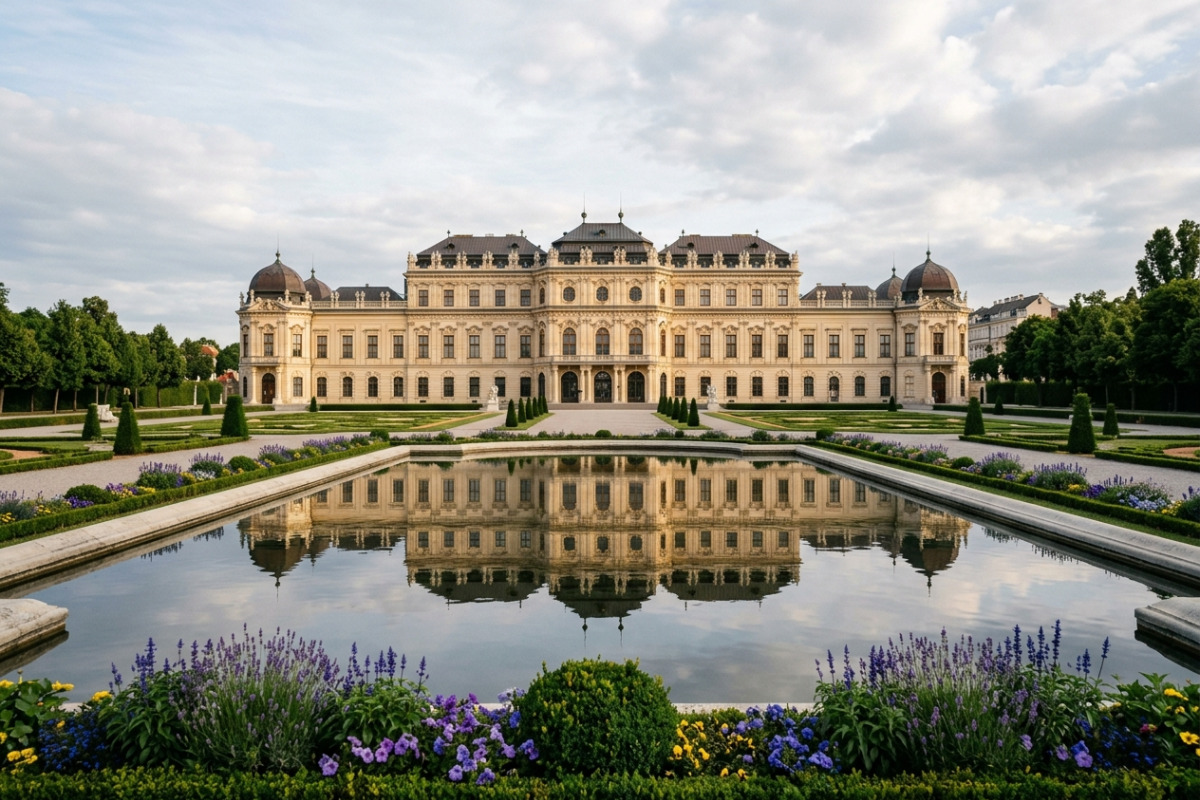
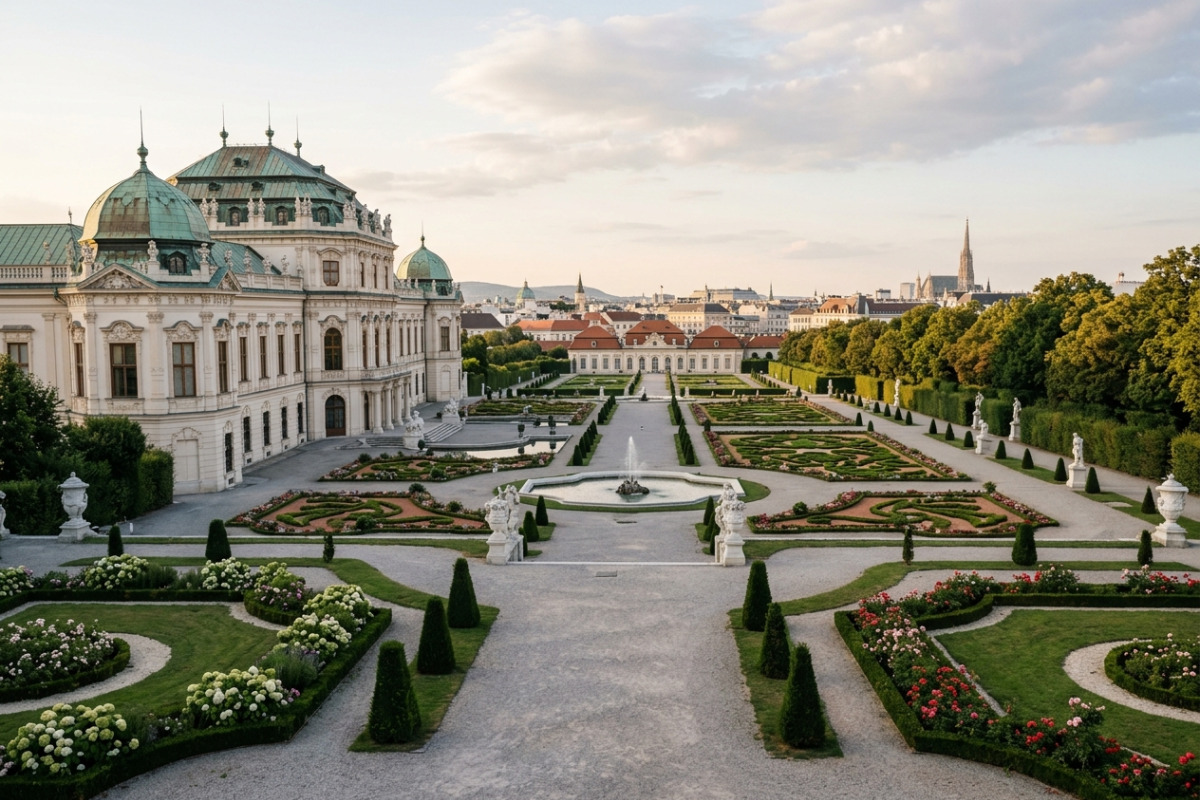
Walking through the manicured gardens towards the Upper Belvedere, the sheer grandeur of the palace strikes you long before you see a single painting. It is a masterpiece of Baroque architecture, yet for art lovers worldwide, it represents something even more profound: the beating heart of Austrian art history. As we move through January 2026, the museum continues to set the standard for how historic collections should be managed, preserved, and presented. The Upper Belvedere is not merely a repository of beautiful objects; it is a carefully orchestrated narrative that guides visitors through centuries of artistic evolution. The magic lies not just in the artworks themselves, but in the deliberate curatorial strategies employed to assemble and display this prestigious collection in a way that resonates with the modern soul.
A Historical Canvas: From Prince Eugene to Public Heritage
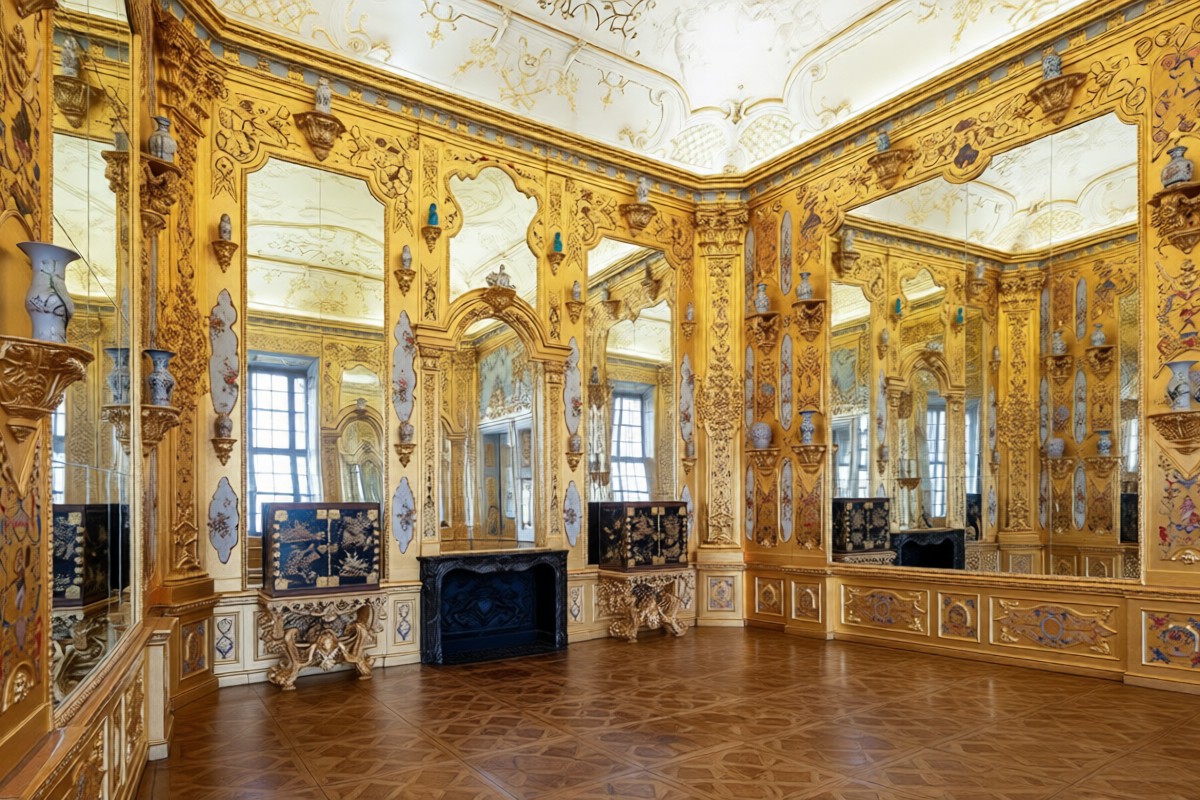
To understand the current curatorial approach, one must first appreciate the origins of this monumental structure. Originally the summer residence of Prince Eugene of Savoy, a man with an insatiable appetite for art and botany, the palace was designed to impress. Today's curators honor this legacy by maintaining a delicate balance between the building's original function as a princely residence and its modern role as a state gallery. The transition from a private collection to a public museum required a shift in perspective; art was no longer just for the enjoyment of the aristocracy but served an educational and cultural purpose for the public. This historical weight influences every decision made today, from which room a painting hangs in to how the lighting interacts with the gilded stucco ceilings.
The assembly of the collection has been a centuries-long endeavor, evolving from Imperial acquisitions to strategic purchases that fill gaps in the art historical narrative. The museum does not simply hoard treasures; it actively shapes the story of Austrian art. By focusing on key periods—specifically the Middle Ages, the Baroque, and the explosion of creativity around 1900—the curators create a focused, rather than chaotic, experience. This strategic collecting ensures that when you walk from one room to the next, you aren't just seeing different paintings; you are witnessing the intellectual and emotional progression of a nation.
Mastering the Narrative: The Vienna 1900 Phenomenon
The crown jewel of the Upper Belvedere is undoubtedly its collection of Viennese Modernism, featuring giants like Gustav Klimt, Egon Schiele, and Oskar Kokoschka. However, the curatorial brilliance lies in how these works are contextualized. You don't simply stumble upon Klimt's The Kiss; the exhibition flow is designed to build anticipation and provide context. (Consider this: Before seeing the original, visitors often encounter studies and preparatory sketches, enhancing their appreciation of the final masterpiece. Learn more about Klimt's 'The Kiss' on the Belvedere's official website.) Curators arrange the galleries to show the gradual break from the academic traditions of the 19th century leading up to the Secession movement. By placing early works of these artists alongside their more famous masterpieces, the museum allows visitors to trace the development of the artist's style, making the final encounter with iconic works far more meaningful.
The Dialogue Between Architecture and Art
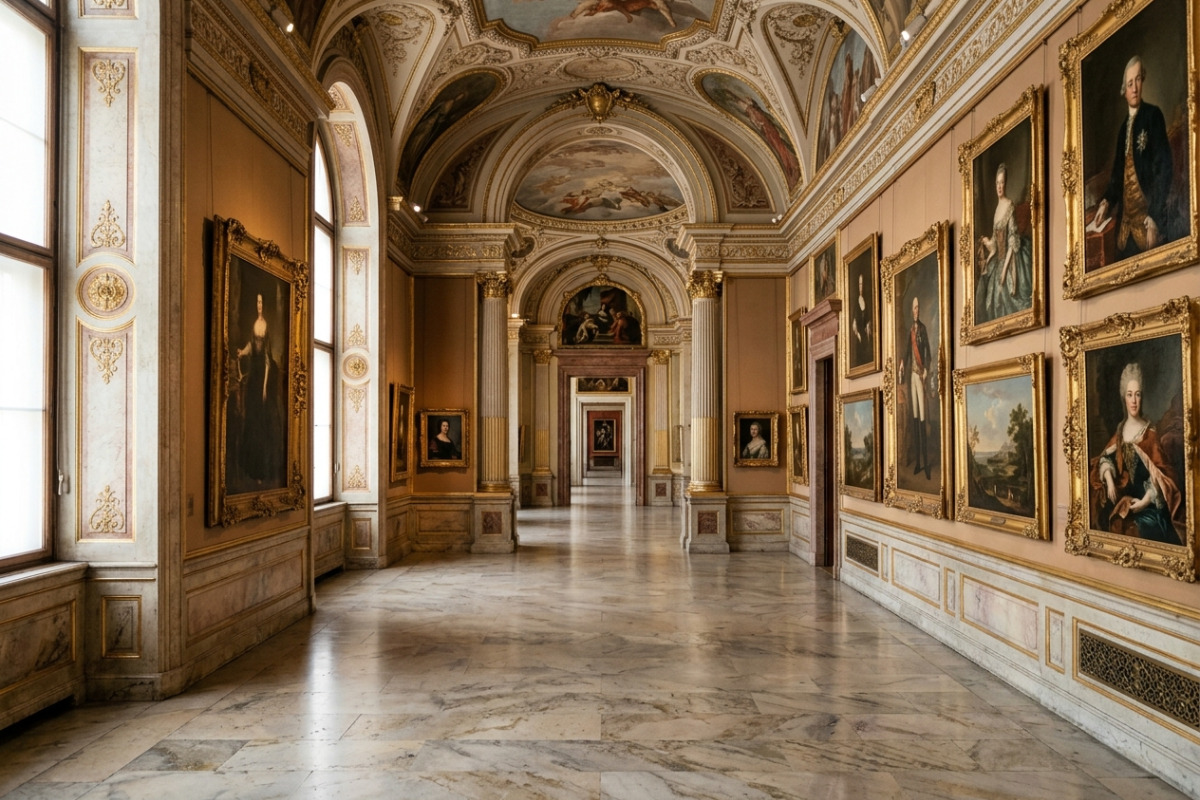
One of the most unique challenges—and triumphs—of the Upper Belvedere is displaying modern, often radical art within a Baroque architectural shell. A lesser curatorial team might try to hide the ornate walls to create a neutral "white cube" space, but the Belvedere embraces the contrast. The juxtaposition of Schiele’s raw, angular, and often jarring expressionism against the soft, harmonious curves of Baroque interior design creates a dynamic tension. This dialogue forces the viewer to engage more deeply, recognizing the revolutionary nature of Modernism precisely because it is framed by the tradition it sought to disrupt.
- Spatial Harmony: Artworks are spaced generously to allow the architecture to breathe, ensuring neither the room nor the painting overpowers the other.
- Thematic Grouping: Rather than a strict chronological line, some rooms are grouped by theme, such as landscapes or portraits, allowing for comparisons across different decades.
- Lighting Mastery: Advanced lighting systems are used to highlight the texture of the brushstrokes while protecting the pigments from damage, a crucial aspect of conservation.
- Contextual Storytelling: Information panels are kept concise but insightful, focusing on the social and political atmosphere of Vienna during the creation of the works.
Strategic Curation: A Comparative Approach
The curatorial team at the Upper Belvedere employs a multi-faceted strategy that differs significantly from other major institutions. While some museums prioritize volume, the Belvedere prioritizes narrative cohesion. The following table illustrates the core differences in their approach compared to standard gallery practices.
| Curatorial Aspect | Standard Gallery Approach | Upper Belvedere Strategy |
| Exhibition Flow | Strictly chronological, often linear. | Thematic and dialogue-based, mixing eras to highlight artistic evolution. |
| Environment | Neutral walls, minimal distraction. | Integration with Baroque interiors, using the palace as part of the exhibit. |
| Collection Focus | Broad, encyclopedic coverage. | Specialized depth in Austrian art, specifically Vienna 1900 and Baroque. |
| Visitor Engagement | Passive observation. | Active emotional engagement through dramatic staging and spatial tension. |
Preservation Meets Innovation
Collecting art is only half the battle; preserving it for future generations is the silent engine of the museum. The Upper Belvedere’s curatorial strategy is deeply intertwined with conservation science. The decision to display a work is always weighed against its physical fragility. For instance, works on paper or delicate textiles are rotated frequently or displayed in dimly lit sections to prevent fading. This rotation strategy serves a dual purpose: it protects the art and encourages repeat visits, as the display is never exactly the same twice. It is a living collection that breathes and changes, ensuring that the museum remains dynamic rather than static.
The Role of Temporary Exhibitions
To keep the conversation fresh, the Upper Belvedere integrates temporary exhibitions that interact with the permanent collection. These are not isolated events but are curated to shed new light on the permanent holdings. A contemporary artist might be invited to create an installation that responds to the Baroque gardens, or a special exhibit might delve into the forgotten female artists of the Secession. These initiatives prove that the museum’s strategy is not just about looking backward at history, but about bringing history into a contemporary dialogue. It creates a bridge between the Vienna of the past and the global art world of today.
The Emotional Journey of the Visitor
Ultimately, the success of the Upper Belvedere’s curatorial approach is measured by the visitor's emotional response. The layout is designed to take you on a journey—from the awe-inspiring entrance hall to the intimate encounters with Expressionist portraits. The curators understand that art is an emotional experience, not just an intellectual one. By carefully controlling the flow of people and the visual rhythm of the galleries, they create moments of quiet contemplation amidst the popularity of the destination. It is this thoughtful consideration of the human experience that elevates the Upper Belvedere from a mere tourist attraction to a profound cultural pilgrimage.
Why This Approach Matters
In a world where digital consumption of images is rapid and often superficial, the Upper Belvedere offers a sanctuary of slow looking. The curatorial strategies employed here remind us that context matters, that the space in which we view art changes how we feel about it, and that a collection is more than the sum of its parts. Whether you are standing before the shimmering gold of Klimt or gazing out the window at the Vienna skyline, you are participating in a curated vision that has been refined over centuries.
Planning Your Visit: The Upper Belvedere is open daily. For ticket information, opening hours, and special events, please visit the official Belvedere website. Consider booking your tickets online in advance, especially during peak season, to avoid queues.
Getting There: The Belvedere is easily accessible by public transport. Take tram D to Schloss Belvedere or the U1 line to Südtiroler Platz-Hauptbahnhof, followed by a short walk. Enjoy your visit!
It is a testament to the enduring power of thoughtful collecting and the art of display.