The Artistic Treasures of Lower Belvedere: A Journey Through Baroque and Beyond
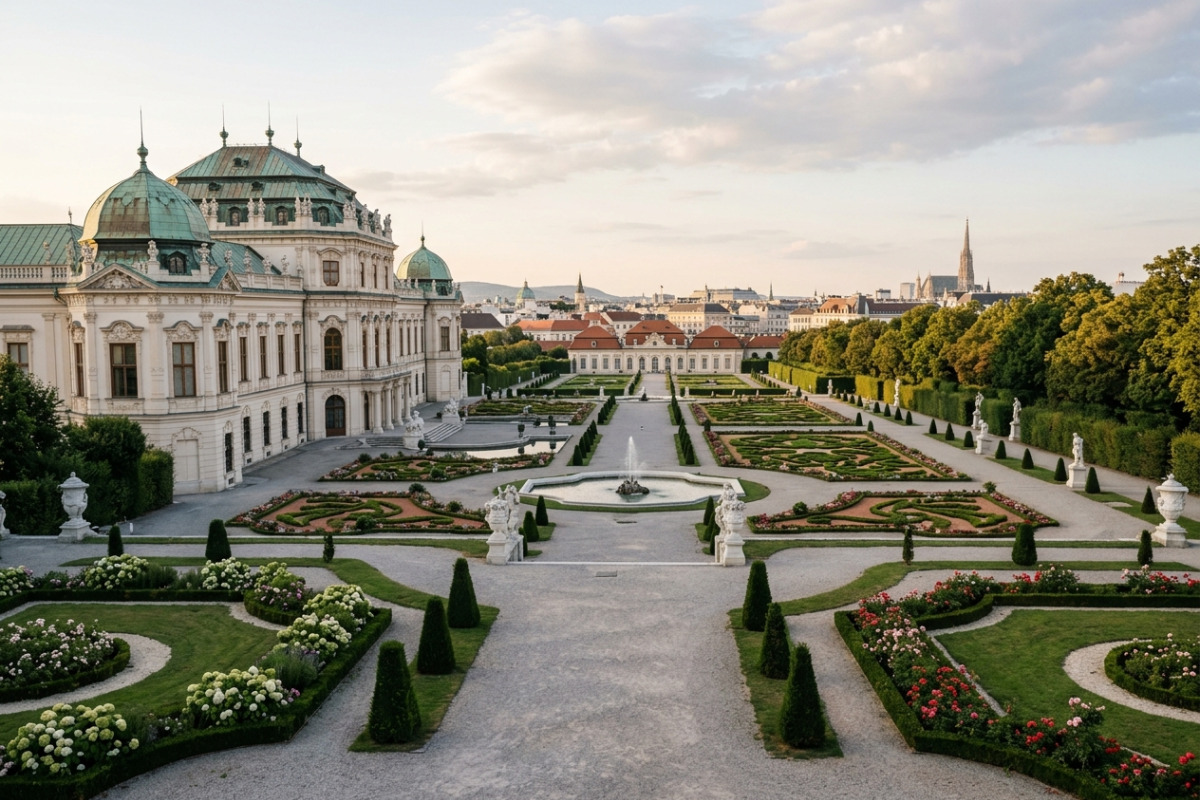
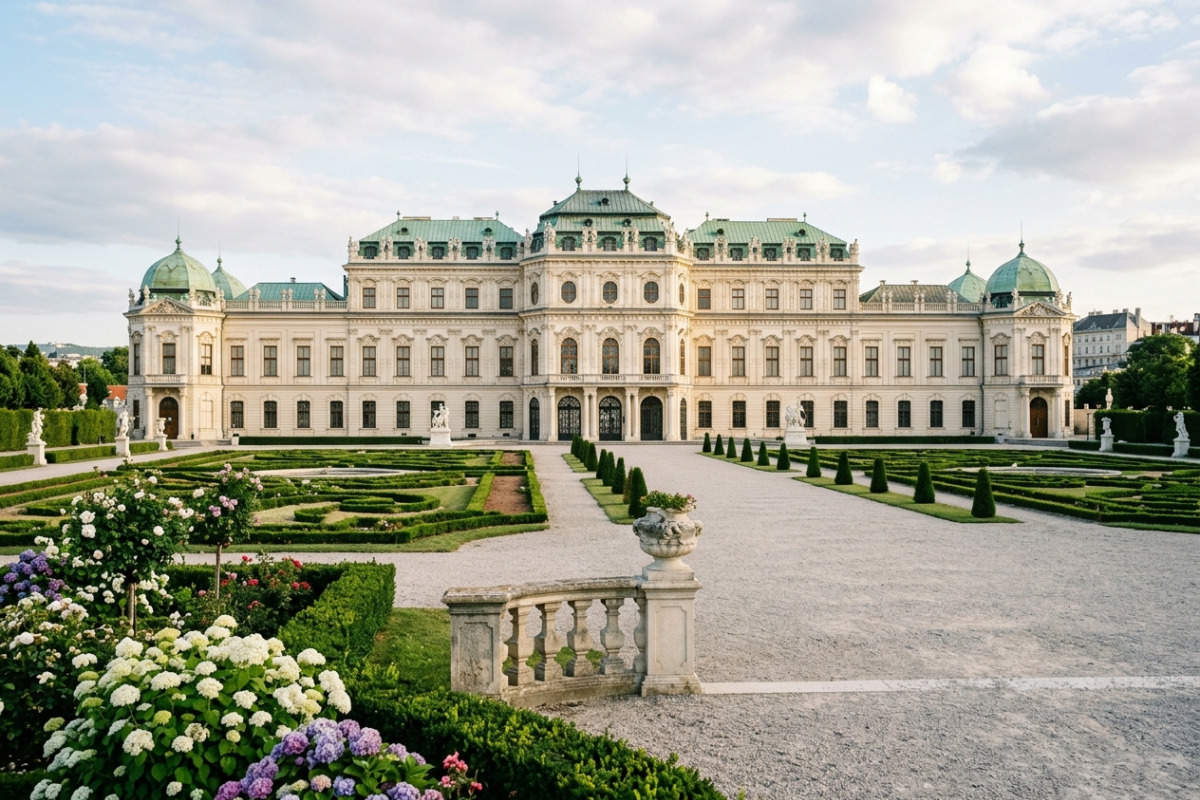
When you step through the wrought-iron gates onto the gravel paths of Vienna’s third district, the city’s imperial history feels palpable in the crisp air. While the Upper Belvedere often steals the spotlight with its world-famous Klimt collection, the Lower Belvedere offers a more intimate, yet equally profound, artistic experience. It is here, within the walls of Prince Eugene of Savoy’s former residential palace, that art history breathes through both the architecture and the curated collections. This is not merely a museum; it is a time capsule that has evolved into a dynamic space for exhibitions spanning centuries, connecting the opulence of the Baroque era with compelling narratives of medieval and modern art.
The residence itself serves as the first layer of the artistic treasure hunt. Unlike the ceremonial grandeur of the Upper palace, the Lower Belvedere was designed for living, albeit in princely luxury. As you traverse the corridors, you are walking through the personal vision of a military genius who was also a passionate patron of the arts. The collection housed here is distinct because it combines permanent architectural masterpieces with rotating exhibitions that dive deep into specific eras, movements, and individual artists. Exploring these halls requires a slower pace, an eye for detail, and an appreciation for how art interacts with the space it inhabits.
The Architecture as Canvas: The State Rooms
Before examining the paintings and sculptures on display, one must acknowledge that the building is the largest artifact in the collection. The artistic value of the Lower Belvedere is anchored in its State Rooms, which have been preserved with remarkable fidelity. These rooms do not just house art; they are art. The integration of fresco, stucco, and architecture creates a 'Gesamtkunstwerk'—a total work of art—that defines the Austrian Baroque aesthetic.
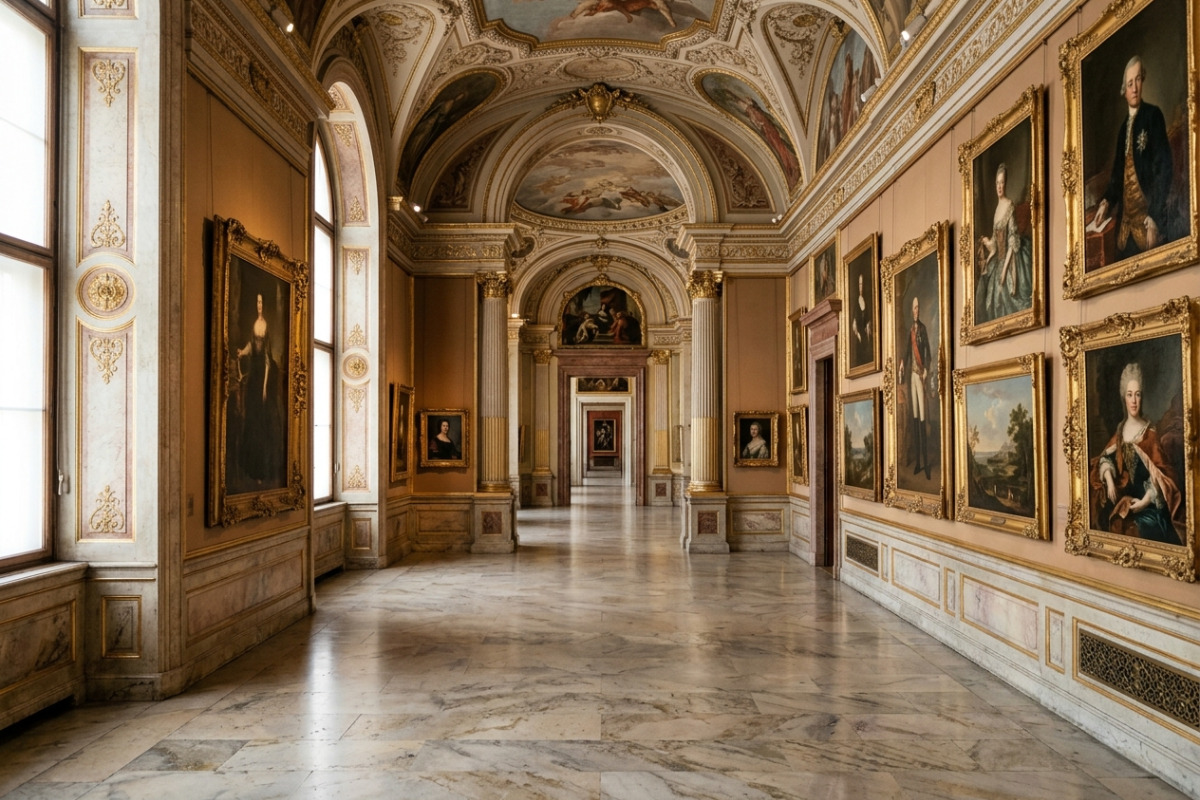
The Marble Hall is the centerpiece of this architectural mastery. Standing beneath the ceiling fresco by Martino Altomonte, which depicts Prince Eugene as a youthful hero, visitors are enveloped in a world of allegorical storytelling. The illusionistic architecture painted by Gaetano Fanti extends the physical walls into a mythological realm, blurring the lines between reality and art. Similarly, the Marble Gallery acts as a prelude to the grandeur, where the interplay of white stucco and red marble creates a rhythm that guides the eye toward the garden vistas.
- The Golden Cabinet: Often cited as the crown jewel of the interior, this room was originally a space for quiet conversation. Today, it stands as a breathtaking example of interior design, featuring mirrors, gold leaf, and grotesque painting styles that reflect the fascination with the exotic during the 18th century.
- The Grotesque Hall: This room offers a stark contrast to the heavy gold of other chambers. The walls are adorned with whimsical, Roman-inspired paintings of mythical creatures and floral garlands, showcasing a lighter, more playful side of Baroque art that is rarely seen in such pristine condition.
Curated Exhibitions: Spanning Centuries
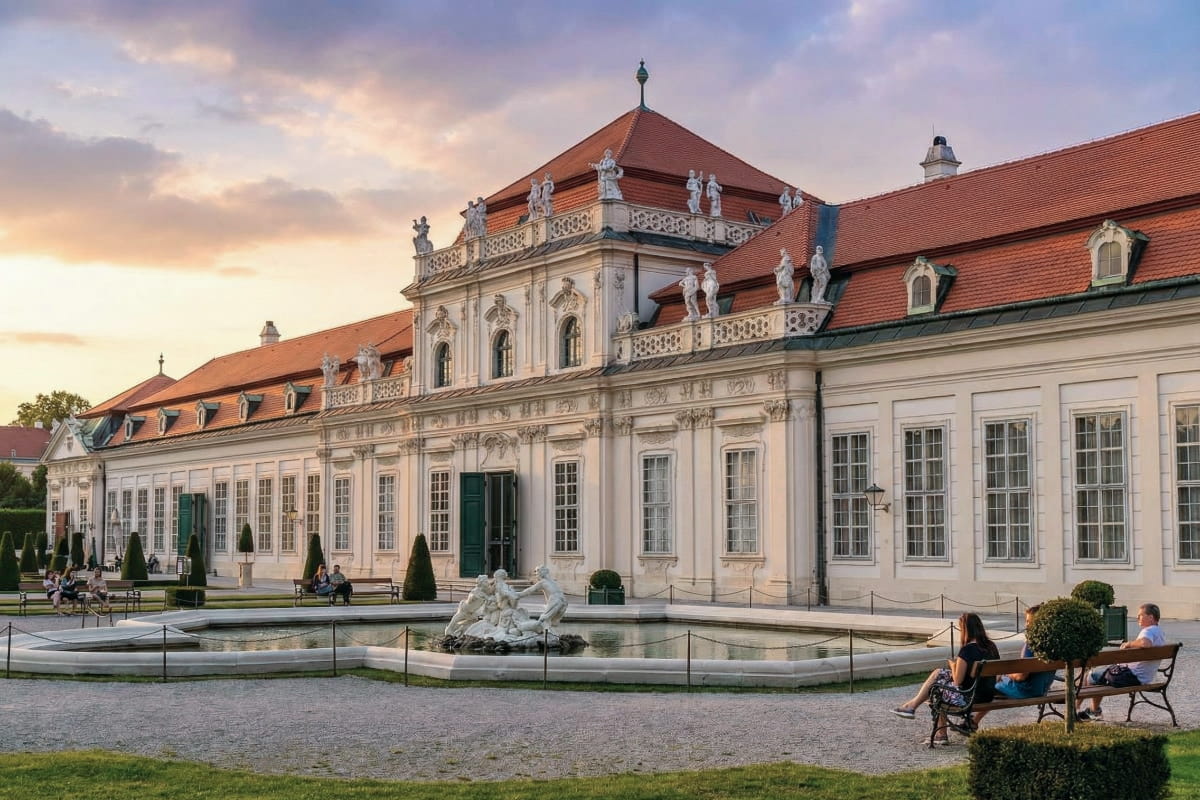
One of the Lower Belvedere's most defining characteristics is its role as a premier venue for temporary exhibitions. Unlike the static nature of many historic homes, the Orangery and the palace rooms are constantly transformed to host art that spans from the Middle Ages to the present day. These exhibitions are meticulously curated to create a dialogue between the historic setting and the artworks on display. Whether it is a retrospective of a Biedermeier master or a thematic exploration of Vienna around 1900, the museum ensures that every piece tells a story relevant to the cultural fabric of Austria.
The significance of these curated pieces lies in their context. When a modern sculpture is placed within the Hall of Grotesques, or a medieval altarpiece is illuminated in the Orangery, the contrast heightens the viewer's appreciation for both. The curators at the Belvedere excel at digging into the reserves of Austrian art history, bringing to light works that might otherwise remain in storage. This commitment to variety ensures that no two visits to the Lower Belvedere are ever quite the same, offering fresh perspectives on European art history with every season.
The Medieval Collection and the Palace Stables
A short walk from the main residential wing leads to the Palace Stables (Prunkstall), which houses a treasure trove often overlooked by the casual tourist: the Medieval Art collection. This section of the museum is a sanctuary of spiritual intensity and Gothic craftsmanship. The collection includes panel paintings, winged altars, and wooden sculptures that date back to a time when art was the primary vessel for religious education and devotion.
The significance of these pieces cannot be overstated. They represent the artistic heritage of the Holy Roman Empire and offer a stark, contemplative counterpoint to the worldly extravagance of the Baroque palace next door. The craftsmanship of the unknown masters—often referred to by their masterworks, such as the 'Master of the Znaim Altar'—demonstrates a level of detail and emotional depth that rivals the Renaissance masters of Italy.
Comparing the Artistic Zones
To truly understand the breadth of the Lower Belvedere’s offerings, it is helpful to categorize the distinct artistic experiences available within the complex. The following table breaks down the key areas and their artistic significance:
| Area | Primary Artistic Focus | Key Highlights |
| The Marble Hall | Baroque Fresco & Architecture | Altomonte’s ceiling fresco, Fanti’s illusionistic painting. |
| The Golden Cabinet | Rococo Interior Design | Gold leaf detailing, mirrors, porcelain display aesthetics. |
| The Orangery | Temporary Exhibitions | Rotating shows focusing on Austrian Modernism, International Art, and thematic histories. |
| The Palace Stables | Medieval Art (Gothic) | Panel paintings, carved wooden saints, winged altars from the 14th-16th centuries. |
The Significance of the Collection
Why does the art of Lower Belvedere matter in the modern world? The answer lies in the preservation of cultural identity. The pieces curated here, from the permanent architectural fixtures to the rotating canvases, document the evolution of Vienna as a European cultural capital. The collection captures the shift from the devout spirituality of the Middle Ages, represented in the Stables, to the imperial confidence of the Baroque era, and finally to the introspective experimentation of the modern exhibitions often hosted in the Orangery.
Furthermore, the Lower Belvedere provides a crucial context for the famous works in the Upper Belvedere. To understand the explosion of creativity in Vienna around 1900 (Klimt, Schiele, Kokoschka), one must understand the foundations laid in the centuries prior. The art here shows the lineage of craftsmanship, the obsession with ornamentation, and the patronage systems that made Vienna a magnet for artists. Every statue in the garden and every gilded frame in the Golden Cabinet is a testament to a society that placed immense value on beauty and aesthetics.
A Final Reflection for the Traveler
Visiting the Lower Belvedere is an exercise in time travel. It is an opportunity to stand in the private quarters of a prince and look out at the same gardens he cherished, while surrounded by art that challenges and inspires. The experience is less about checking off famous paintings from a list and more about immersing oneself in the atmosphere of artistic excellence.
As you leave the palace and head back out into the bustling streets of Vienna, you carry with you not just images of paintings, but a deeper understanding of the Austrian soul. The treasures of Lower Belvedere are not just objects; they are the silent witnesses to history, waiting to share their stories with those willing to listen. Whether you are an art historian or a curious traveler, the depth and variety of this collection promise a rich, unforgettable encounter with the sublime.