The Artistic Legacy of Belvedere Palace: A Journey Through Time
Standing before the wrought-iron gates of the Belvedere in January 2026, the crisp Viennese air seems to carry the whispers of centuries past. It is not merely a palace you are approaching; it is a physical timeline of Austrian history, solidified in stone, stucco, and oil paint. For art lovers and cultural travelers alike, the Belvedere represents more than just an architectural marvel; it is the custodian of the Austrian soul. The transition from the manicured gardens to the hallowed halls of the Upper Belvedere offers a profound narrative shift, moving from the rigid grandeur of the Baroque era to the emotional turbulence of the 20th century. To understand the artistic legacy here is to understand Vienna itself—a city that has always balanced reverence for tradition with a radical urge for innovation.
A Monument to Prince Eugene’s Vision
The story of the Belvedere’s artistic heritage begins not with a painting, but with the building itself. Commissioned by Prince Eugene of Savoy in the early 18th century, the complex was designed by the celebrated architect Johann Lukas von Hildebrandt. Unlike other imperial residences that prioritize sheer size, the Belvedere was constructed as a total work of art, or Gesamtkunstwerk. Every cornice, fresco, and statue was placed with the intention of glorifying the Prince's military victories and his refined taste. As you walk through the Sala Terrena in the Upper Belvedere, the Atlantes—muscular stone figures supporting the vault—remind visitors of the physical weight of history that this building carries.
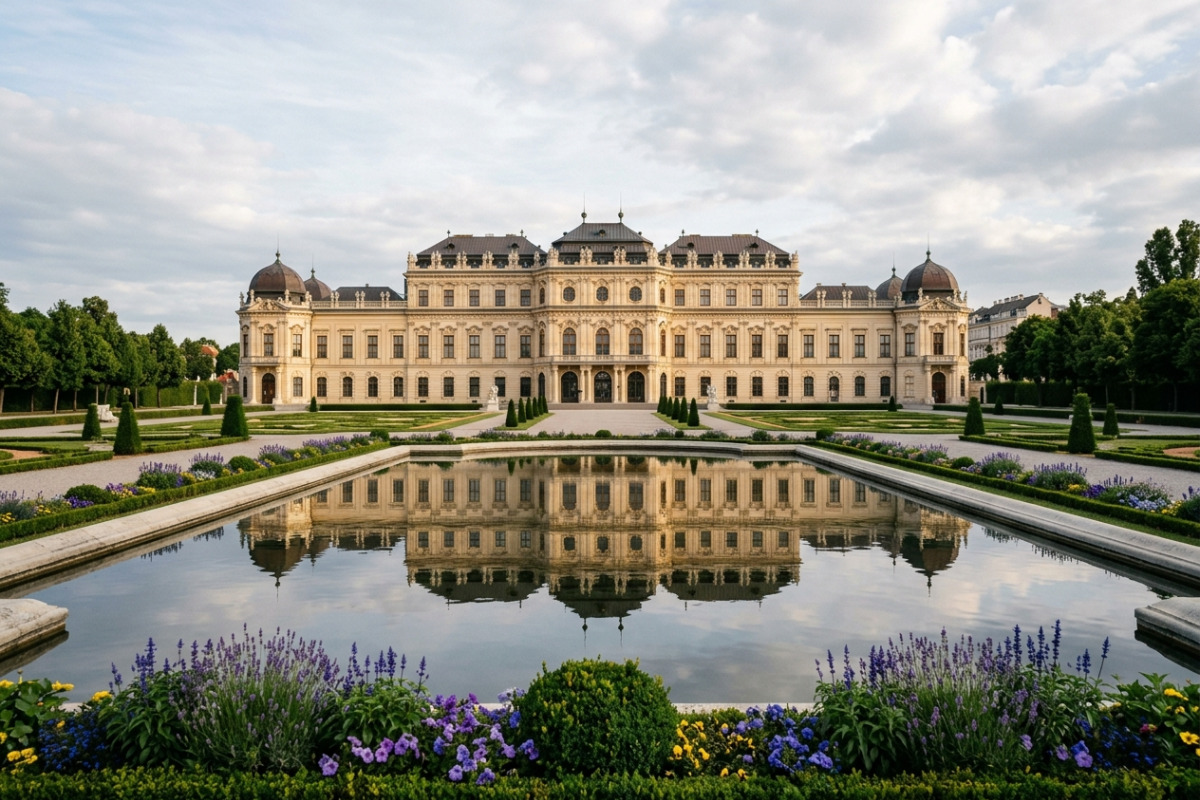
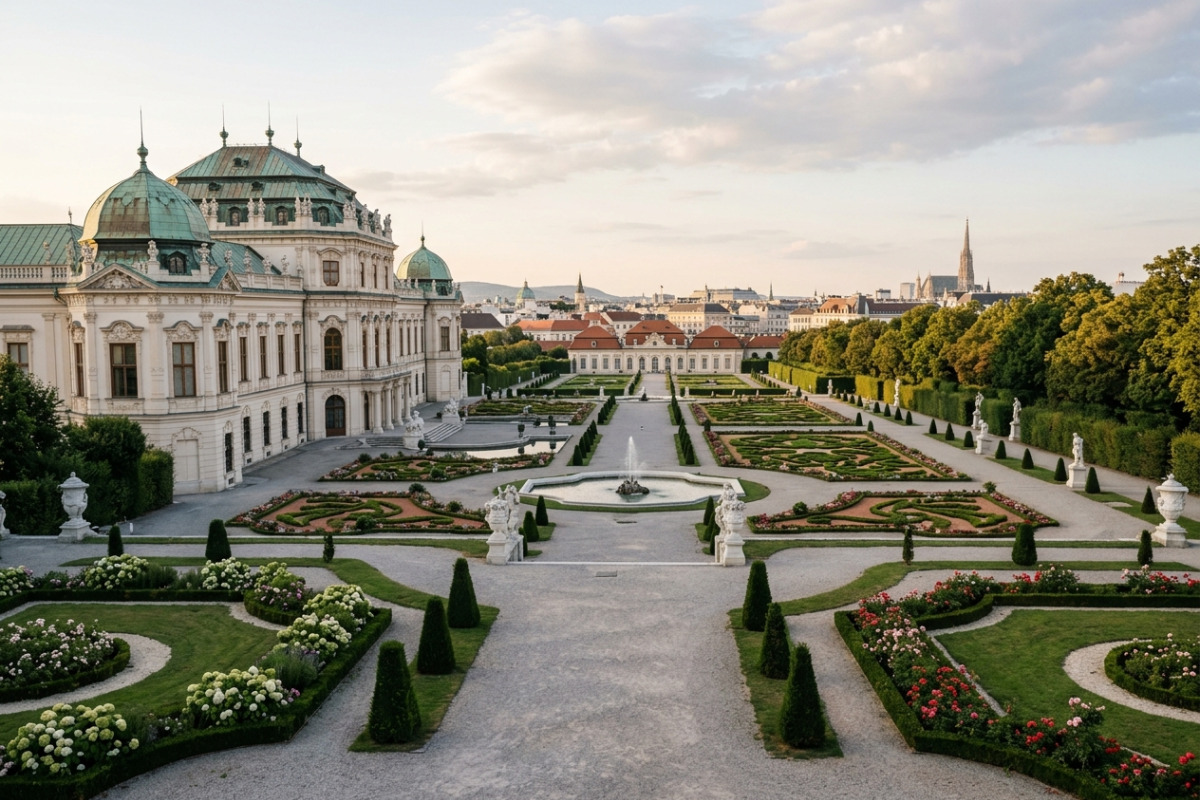
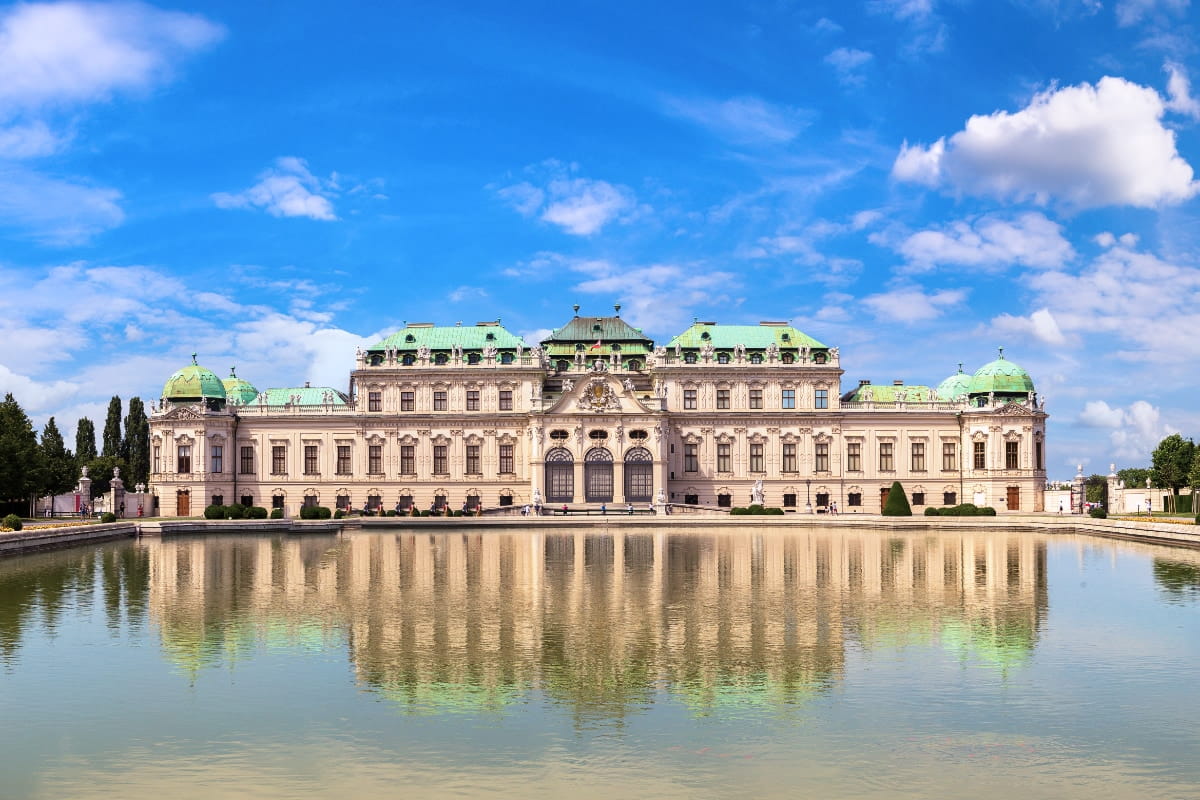
The artistic significance of the architecture lies in its perfect execution of the High Baroque style. The interplay between the Upper and Lower Belvedere, connected by a sloping garden, creates a theatrical stage set against the Vienna skyline. Historically, this was a summer residence designed for entertainment and display, which explains the abundance of light and the fluid integration of indoor and outdoor spaces. Today, this architectural mastery serves as the perfect, contrasting backdrop for the modern art housed within its walls. The juxtaposition of Hildebrandt’s ornate 1700s design with the stark, emotional lines of Expressionist art creates a dynamic tension that keeps the museum experience vibrant and unexpected.
The Upper Belvedere: Where Gold Meets Canvas
While the architecture sets the stage, the true heartbeat of the Belvedere’s artistic legacy is its world-renowned collection of Vienna Modernism. The museum holds the world's largest collection of Gustav Klimt paintings, a fact that draws millions of pilgrims to these halls. However, looking beyond the fame, one must appreciate the revolutionary context of these works. At the turn of the 20th century, Vienna was a melting pot of intellectual and artistic rebellion. The Belvedere captures this specific moment in time—the Fin de Siècle—when artists broke away from the conservative Academy to form the Vienna Secession.
Gustav Klimt and the Eternal Kiss
No discussion of the Belvedere is complete without addressing the magnetic pull of The Kiss. Painted during Klimt’s "Golden Phase" around 1907-1908, this masterpiece is often the primary reason travelers visit. Yet, standing in front of it offers a different experience than seeing a reproduction. The texture of the gold leaf, applied with Byzantine complexity, catches the gallery light, making the painting seem alive and shimmering. It represents the pinnacle of Art Nouveau, fusing eroticism with spiritual abstraction. Alongside The Kiss, the museum houses Judith, a work that showcases Klimt’s ability to blend the femme fatale archetype with decorative geometric patterns. These works define the legacy of the Belvedere as a sanctuary for beauty that defied the moral strictures of its time. Don't miss Klimt's landscapes either, such as "Farm Garden with Sunflowers," which offers a different perspective on his artistic range, showcasing his mastery of color and form in depicting the natural world.
Beyond the Gold: Schiele and Kokoschka
While Klimt represents the decorative and symbolic, the Belvedere also preserves the darker, more psychological side of Viennese art through the works of Egon Schiele and Oskar Kokoschka. Schiele’s work, characterized by twisted body shapes and raw emotional exposure, provides a stark counter-narrative to Klimt’s gold. His painting Death and the Maiden is a masterpiece of Expressionism held within the collection. It showcases the shift from surface beauty to internal psychological truth. Consider also Schiele's self-portraits, which are unflinchingly honest and reveal the artist's inner turmoil. The inclusion of these artists demonstrates the museum's commitment to showing the full spectrum of the era's artistic evolution, moving from the ornamental to the existential. Kokoschka, with his intense portraits and vibrant landscapes, further enriches this collection. His work, often exploring themes of human connection and the anxieties of modern life, provides another layer of depth to the Viennese Modernist movement. A notable example is his painting "Hans Tietze and Erica Tietze-Conrat," a double portrait that captures the intellectual energy of the era.
A Timeline of Artistic Evolution
The collection at the Belvedere is vast, covering centuries of creativity. To truly appreciate the scope of what is on display, it is helpful to view the collections through the lens of their historical periods. The diversity of the collection ensures that every visitor finds a period that resonates with their personal aesthetic preferences.
| Historical Period | Key Artistic Style | Representative Highlights | Significance |
| Middle Ages | Gothic & Religious Art | Znaim Altarpiece | Showcases the spiritual roots of Austrian art before the secular shift. |
| Baroque (17th-18th Century) | High Baroque | Messerschmidt’s Character Heads | Reflects the grandeur of the Empire and early psychological study in sculpture. |
| Biedermeier (Early 19th Century) | Realism & Romanticism | Works by Waldmüller | Focuses on nature, landscapes, and the emerging bourgeoisie lifestyle. |
| Vienna Modernism (Circa 1900) | Jugendstil & Expressionism | Klimt, Schiele, Kokoschka | The crown jewel of the collection, marking Vienna's golden age of art. |
The Lower Belvedere: Imperial Grandeur and Medieval Treasures
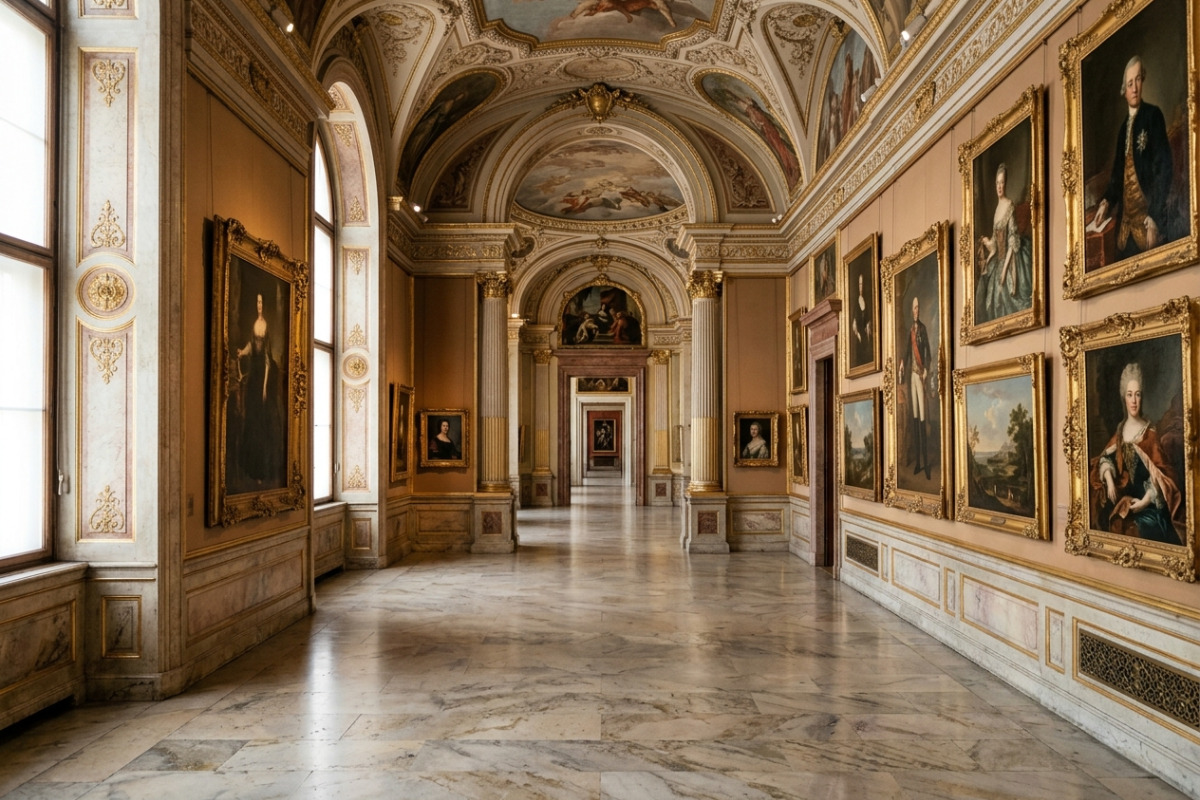
While the Upper Belvedere often steals the spotlight with its modernist collection, the Lower Belvedere offers a more intimate glimpse into the personal taste of Prince Eugene and the roots of Austrian art. Originally the residential quarters, this section of the palace retains much of its original interior decoration. The Hall of Grotesques, with its preserved wall paintings, offers a fascinating look at the decorative styles popular in the early 18th century. It serves as a reminder that in the Baroque era, the room itself was the art, designed to immerse the occupant in a world of mythology and allegory.
Furthermore, the Lower Belvedere and the adjacent Orangery are often home to the museum's medieval collection and temporary exhibitions. The medieval wing is particularly striking for those interested in sacred art. It houses panel paintings and winged altars that date back to the 14th and 15th centuries. These pieces provide a crucial context for the later works in the Upper Belvedere; they show the long tradition of craftsmanship and storytelling in Austrian art. Seeing the transition from the rigid, gold-ground religious icons of the Middle Ages to Klimt’s secular, gold-leafed icons creates a powerful thematic loop for the observant visitor.
The Gardens as a Living Canvas
It would be a mistake to discuss the artistic legacy of the Belvedere without acknowledging the gardens that connect the two palaces. Designed by Dominique Girard, a student of André Le Nôtre (who designed Versailles), the gardens are a masterpiece of landscape architecture. They were created not just as a green space, but as a continuation of the palace's internal architecture. The layout is strictly symmetrical, utilizing the concept of the "forced perspective" to make the grounds appear grander and to frame the view of the city.
- The Sculptural Program: The gardens are dotted with statues of sphinxes and mythological deities, representing the ascent from the underworld to Olympus (the Upper Belvedere).
- Water Features: The cascades and fountains were engineering marvels of their time, adding sound and movement to the static beauty of the hedges.
- Seasonal Art: The planting schemes themselves are curated to provide changing colors and textures, acting as a living painting that evolves with the seasons.
Preserving the Legacy for the Future
As we navigate through 2026, the Belvedere continues to evolve from a static repository of history into a dynamic cultural institution. The legacy here is not just about preserving old canvases; it is about keeping the conversation between the past and present alive. The museum's dedication to restoration ensures that delicate works, particularly the fragile gold leaf of the Secessionist paintings, remain vibrant for future generations. Moreover, the curation often places contemporary works alongside historical ones, challenging visitors to find new meanings in familiar masterpieces.
Visiting the Belvedere is a journey that transcends simple sightseeing. It is an immersion into the artistic spirit that has defined Vienna for centuries. From the imperial ambition of the Baroque architects to the psychological depths plumbed by Schiele and the golden dreams of Klimt, the palace offers a comprehensive narrative of human creativity. As you leave the grounds and look back at the reflection of the palace in the water basin, you realize that the Belvedere is not just housing art; it is, in its entirety, a triumph of the human imagination.