The Allure of the Unconventional: Women Artists in the Belvedere Collection
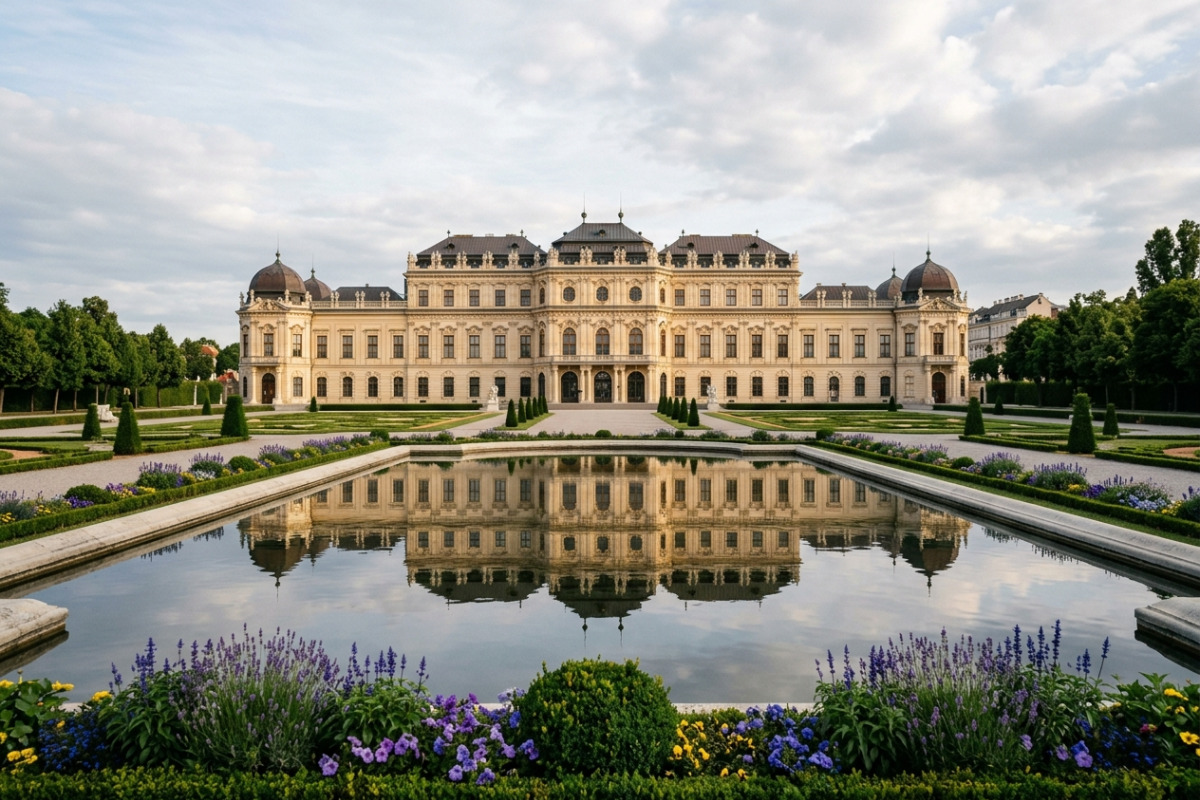
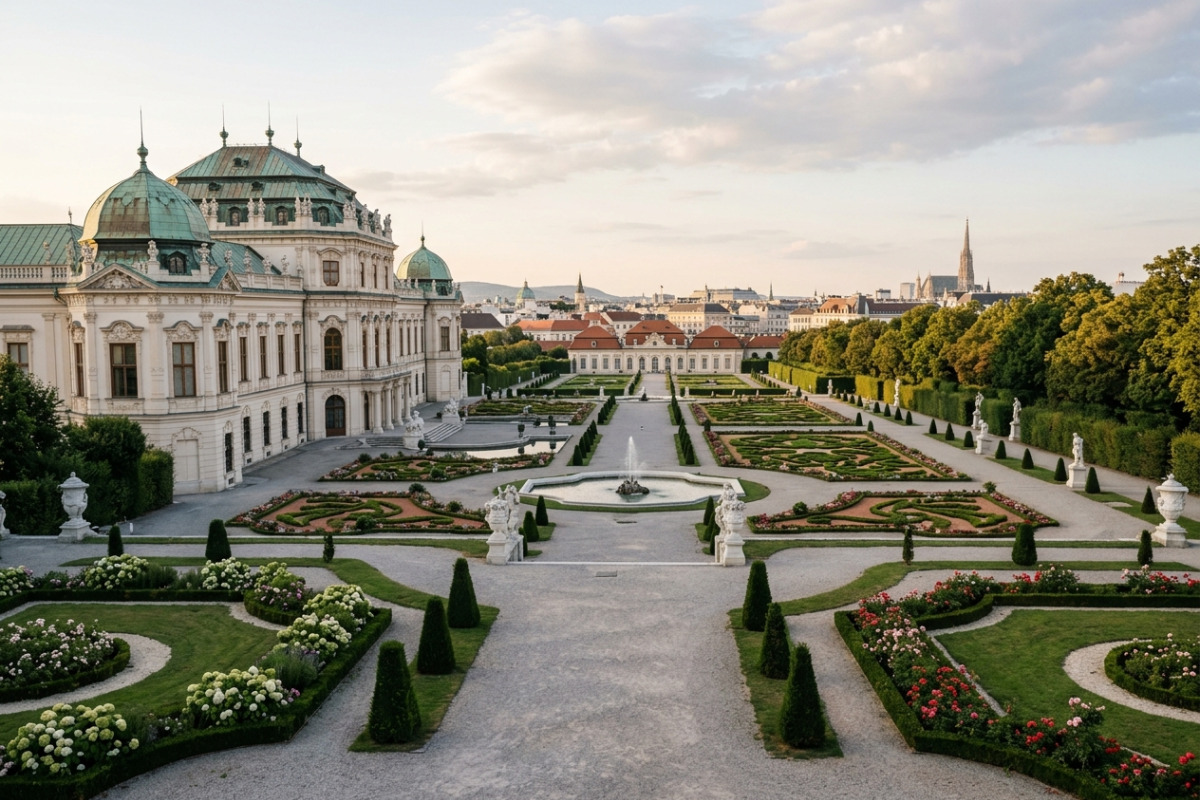
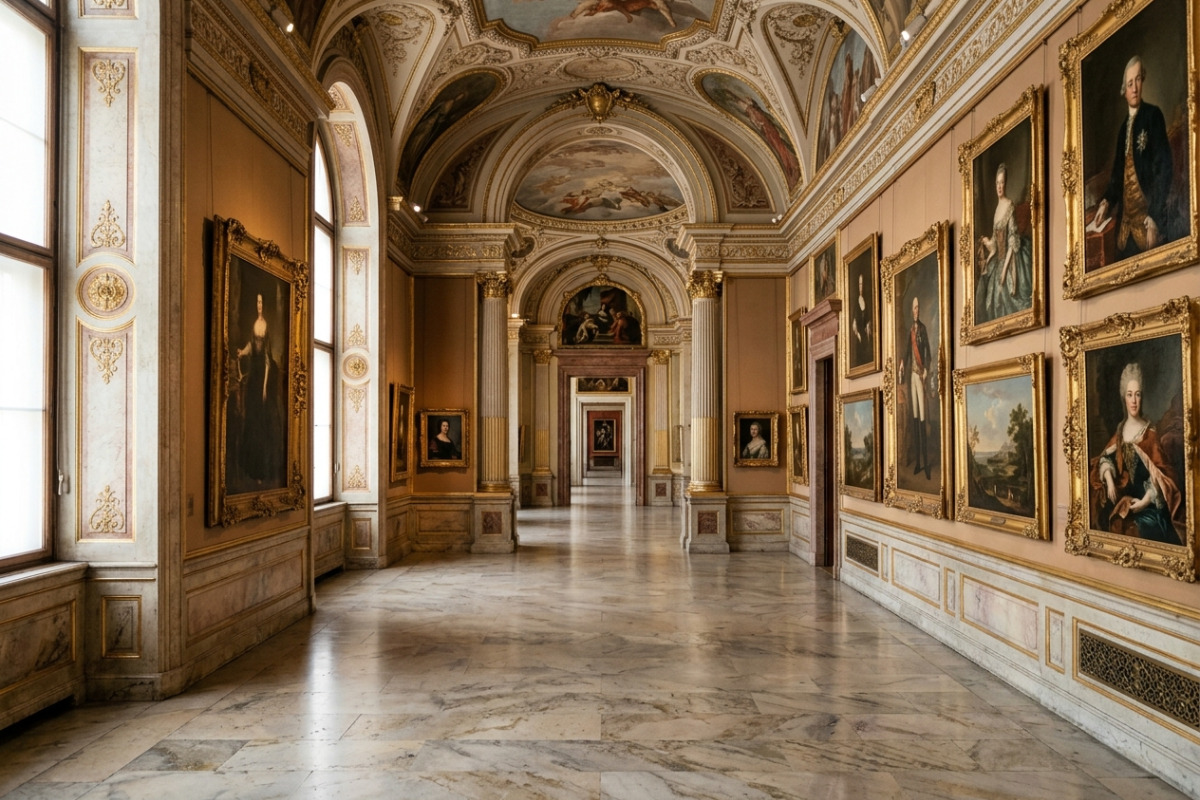
When most travelers step into the grandeur of Vienna’s Upper Belvedere, their minds are often filled with anticipation for Gustav Klimt’s golden embrace or the intense expressions found in Egon Schiele’s portraits. However, as we move through the polished galleries in January 2026, a shift in perspective reveals a narrative that is just as compelling, yet historically quieter. The Belvedere Collection holds a treasure trove of works by women artists who, despite facing systemic barriers and societal indifference during their lifetimes, carved out a space for themselves in the canon of art history. These were not merely hobbyists; they were pioneers who embraced the unconventional, challenging the rigid norms of the late 19th and early 20th centuries to redefine what creativity looked like.
To truly appreciate the depth of the Belvedere’s holdings, one must look past the giants of the Secession and seek out the visionaries who painted from the margins. These women navigated a world where the Vienna Academy of Fine Arts refused them entry until 1920, forcing them to forge their own paths through private schooling and sheer determination. Their presence in the museum today is not just a token of inclusion; it is a testament to the quality, resilience, and avant-garde spirit that permeated Vienna’s artistic soul.
Redefining the Canvas: Breaking Gender Norms
The allure of these artworks lies in the context of their creation. For a woman in fin-de-siècle Vienna, becoming a professional artist was an act of rebellion. While their male counterparts were celebrated as geniuses for breaking tradition, women were often relegated to 'decorative' arts or dismissed entirely. Yet, the works housed in the Belvedere demonstrate a fierce commitment to professional excellence and stylistic innovation. These artists did not simply mimic the styles of men; they developed unique visual languages that bridged Impressionism, Expressionism, and New Objectivity.
By exploring these galleries, visitors witness a dialogue between gender and modernity. The subjects chosen by these women often differed from the male gaze prevalent at the time. Instead of hyper-sexualized muses, we often see introspective portraits, complex landscapes that explore the relationship between humanity and nature, and domestic scenes imbued with psychological depth. This shift in perspective offers a more complete, nuanced understanding of the era, proving that the story of Viennese Modernism is incomplete without their voices.
Visionary Figures in the Collection
While the collection includes numerous female creators, several key figures stand out for their mastery and the pivotal roles they played in the art world. Their works are essential stops on any tour of the Belvedere, offering a glimpse into the diversity of female talent in Austria.
Tina Blau: Mastering the Atmospheric Landscape
Tina Blau remains one of the most significant figures in Austrian landscape painting. Often associated with 'Mood Impressionism,' her work transcends simple documentation of nature. Standing before a painting like Spring in the Prater, one can almost feel the damp earth and the shifting light of a Vienna afternoon. Blau traveled extensively and refused to be confined to the studio, painting en plein air long before it was standard practice for women. Her ability to capture light and atmosphere challenged the darker, more academic styles of her predecessors, paving the way for a lighter, more vibrant Austrian aesthetic.
Broncia Koller-Pinell: The Stylistic Chameleon
Perhaps no artist better embodies the spirit of the unconventional than Broncia Koller-Pinell. Her work is difficult to categorize because she constantly evolved, moving fluidly between Impressionism and the geometric styles of the Secession. In her portraits, such as the famous The Harvest or her self-portraits, there is a deliberate flattening of space and a bold use of color that feels incredibly modern even today. She was a bridge between different artistic cliques, hosting salons that brought together the brightest minds of Vienna, yet her own artistic output was frequently overlooked until recent decades.
Elena Luksch-Makowsky: Myth and Modernity
Coming from a Russian background and integrating into the Viennese scene, Elena Luksch-Makowsky brought a unique folklore influence to the Secessionist movement. She was the first woman to exhibit with the Vienna Secession, a monumental achievement in a male-dominated circle. Her works often blend mythological themes with the decorative, linear style typical of the Wiener Werkstätte. Her contribution is vital because it highlights the cross-cultural exchanges that fueled Vienna’s golden age, proving that the city's art scene was a melting pot of European influences.
A Comparative Look: Style and Influence
To better understand how these artists differed from one another while collectively pushing boundaries, it is helpful to look at their primary focuses and stylistic signatures side by side.
| Artist | Primary Style | Key Themes | The "Unconventional" Element |
| Tina Blau | Austrian Impressionism | Landscapes, Prater scenes, Light | Pioneered en plein air painting when women were expected to stay indoors. |
| Broncia Koller-Pinell | Secessionism / Expressionism | Portraits, Domestic scenes, Nudes | Adopted a bold, unfinished aesthetic that critics initially dismissed as "feminine weakness." |
| Elena Luksch-Makowsky | Symbolism / Folk Art | Mythology, Motherhood, Icons | Merged Russian folklore with Viennese design; first woman to exhibit with the Secession. |
| Helene Funke | French Fauvism influence | Still lifes, Female groups | Unapologetic use of color and focus on female autonomy without the male gaze. |
The Legacy of the "City of Women"
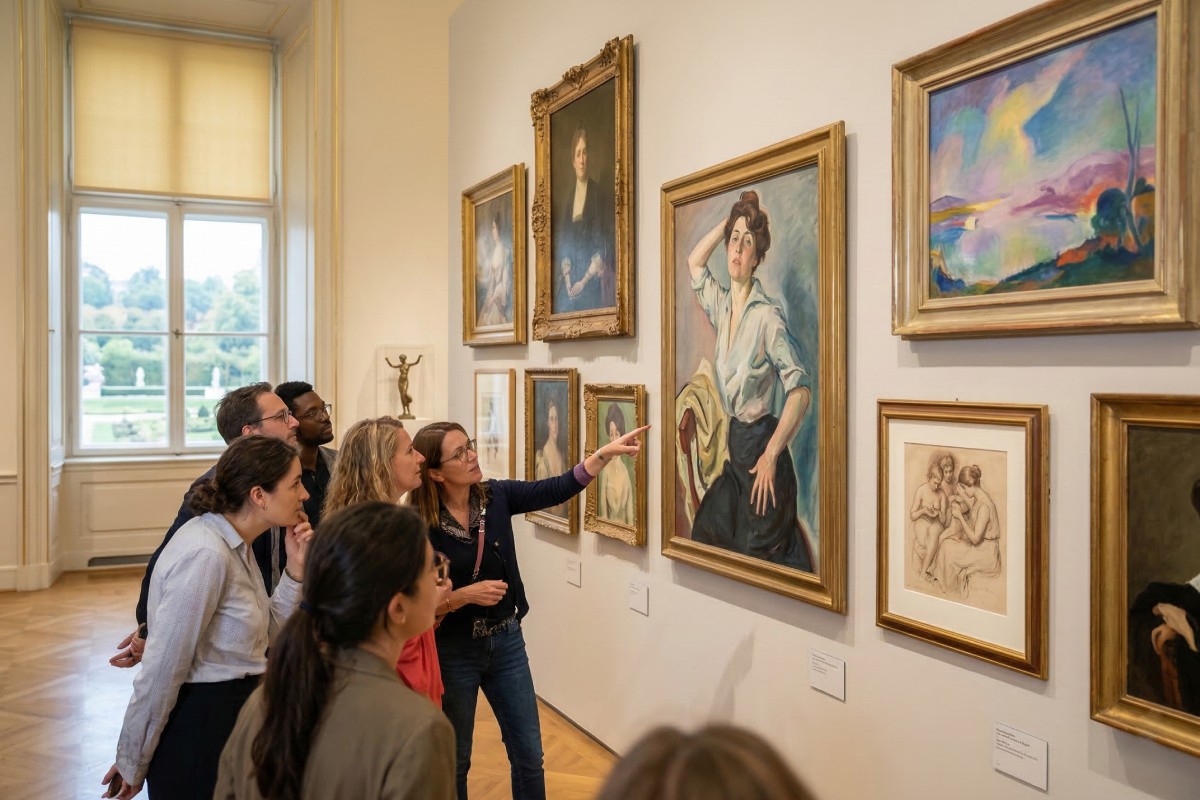
The recognition these artists enjoy today is partly due to the Belvedere's ongoing commitment to correcting historical imbalances. The groundbreaking exhibitions of the past decade, such as the City of Women, shattered the misconception that there were no great female artists in Vienna around 1900. This legacy continues to influence how the permanent collection is curated in 2026. The museum has actively worked to integrate these works alongside their male contemporaries rather than segregating them, allowing for a natural dialogue between the artists.
This integration reveals that women were not on the periphery; they were central to the conversation of Modernism. They exhibited in the same galleries, influenced the same movements, and grappled with the same existential questions of the new century. By highlighting these connections, the Belvedere offers a truer reflection of history—one that is diverse, complex, and incredibly rich.
Why This Matters for the Modern Visitor
For the art lover visiting Vienna, seeking out these women artists offers a deeper, more emotional connection to the city. It transforms a visit from a checklist of famous hits into a journey of discovery. There is an intimate quality to these works—a sense of struggle and triumph—that resonates with the contemporary viewer. When you stand before a canvas by Helene Funke or Tina Blau, you are witnessing an act of resilience.
To get the most out of your visit to the Belvedere, consider these tips for a more immersive experience:
- Look for the Signatures: Many of these artists signed their work in obscure corners or used monograms; hunting for them draws you closer to the brushwork.
- Compare Perspectives: Stand between a landscape by Gustav Klimt and one by Tina Blau. Notice the difference in texture and atmospheric depth.
- Read the Biographies: The museum labels often provide fascinating snippets of their lives. Take a moment to read about the barriers they broke.
- Visit the Lower Belvedere: often home to temporary exhibitions that dive deeper into specific movements where these women played key roles.
Ultimately, the allure of the unconventional lies in the surprise. It is the realization that history is not a single path, but a web of intersecting lives. The women of the Belvedere collection invite us to look closer, to question established narratives, and to find beauty in the stories that were almost lost to time. As you leave the palace and step back into the Vienna streets, the city feels different—fuller, richer, and echoing with the voices of the women who helped paint it.