The Hidden Gems of Belvedere Palace's Art Collection
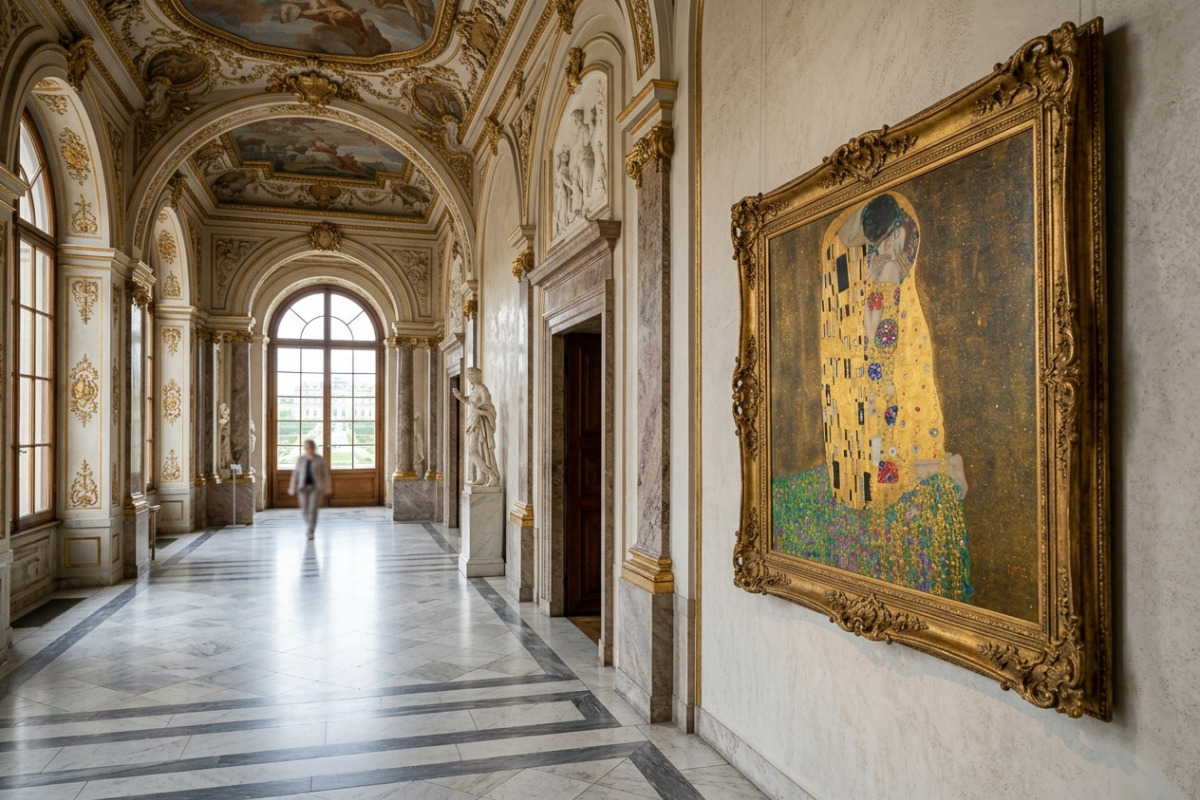
While many visitors flock to see iconic works such as Klimt's "The Kiss," the Belvedere Palace houses a plethora of hidden gems that are equally captivating. These lesser-known pieces tell unique stories and reflect the diverse artistic movements that have influenced Austrian art over the centuries. In this blog post, we will delve into some of these treasures, unveiling their significance and the artists behind them.
Unearthing Lesser-Known Masterpieces
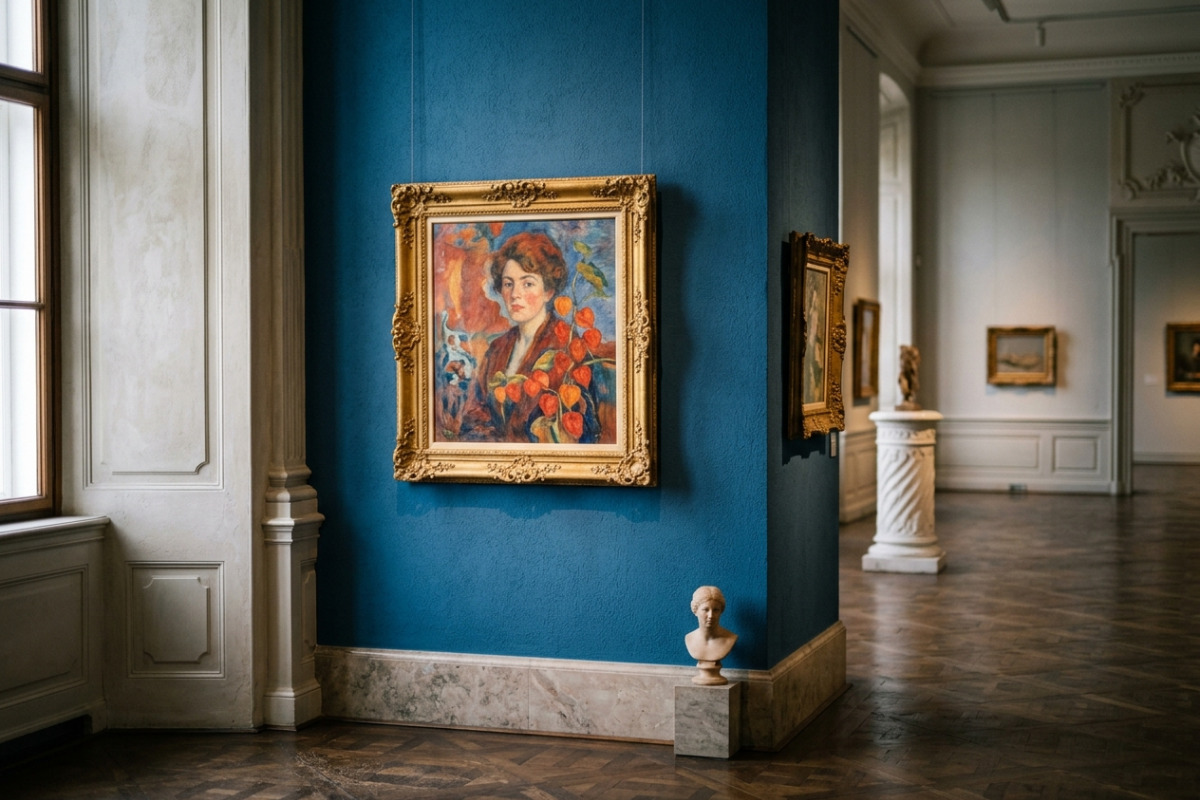
Among the rich tapestry of Belvedere's collection, several artworks often escape the spotlight. One such piece is Egon Schiele's portrait of a young girl, which encapsulates the raw emotion and intensity that Schiele is celebrated for. Unlike his more famous works, this portrait offers a glimpse into the artist's early exploration of form and expression. Visitors who take the time to appreciate this work will find themselves drawn into the emotional depth that Schiele captures.
Another hidden gem is a landscape painting by Ferdinand Georg Waldmüller, a pivotal figure in Austrian Romanticism. His works, often characterized by their vivid colors and meticulous detail, invite viewers to step into a tranquil world that contrasts sharply with the modern hustle of Vienna. This particular landscape not only showcases Waldmüller's artistic talent but also serves as a historical reflection of the era's cultural context.
The Role of Women Artists
The Belvedere Palace also houses remarkable works by women artists, whose contributions to the art world have often been overshadowed. One standout is the evocative piece by Marie Egner, a prominent painter known for her landscapes that beautifully capture the Austrian countryside. Egner's work is not just visually stunning; it also challenges the traditional narratives of her time, offering a fresh perspective on the role of women in the art scene.
Additionally, exploring the works of these female artists provides a broader understanding of the artistic movements that have shaped Austria. Their unique perspectives and techniques enrich the narrative of Belvedere's collection, encouraging visitors to appreciate art through a more inclusive lens.
Connecting Art to Culture and History
Every artwork within the Belvedere Palace serves as a window into the culture and history of its time. By examining the hidden gems among the more renowned masterpieces, we begin to see the intricate connections between art and societal developments. For instance, the shift from traditional to modern styles in Austrian painting can be observed through the evolution of themes and techniques in these lesser-known pieces.
Understanding these connections enhances the visitor experience, transforming a simple trip to see art into a profound exploration of cultural heritage. As you wander through the galleries, take a moment to reflect on how each piece contributes to the overarching narrative of Austrian art history.
Plan Your Visit to Discover These Treasures
To fully appreciate the hidden gems of the Belvedere Palace, planning your visit is essential. Be sure to allocate enough time to explore not only the renowned pieces but also the lesser-known artworks that tell rich stories of their own. The tickets for entry provide access to both the Upper and Lower Belvedere, where these treasures await your discovery.
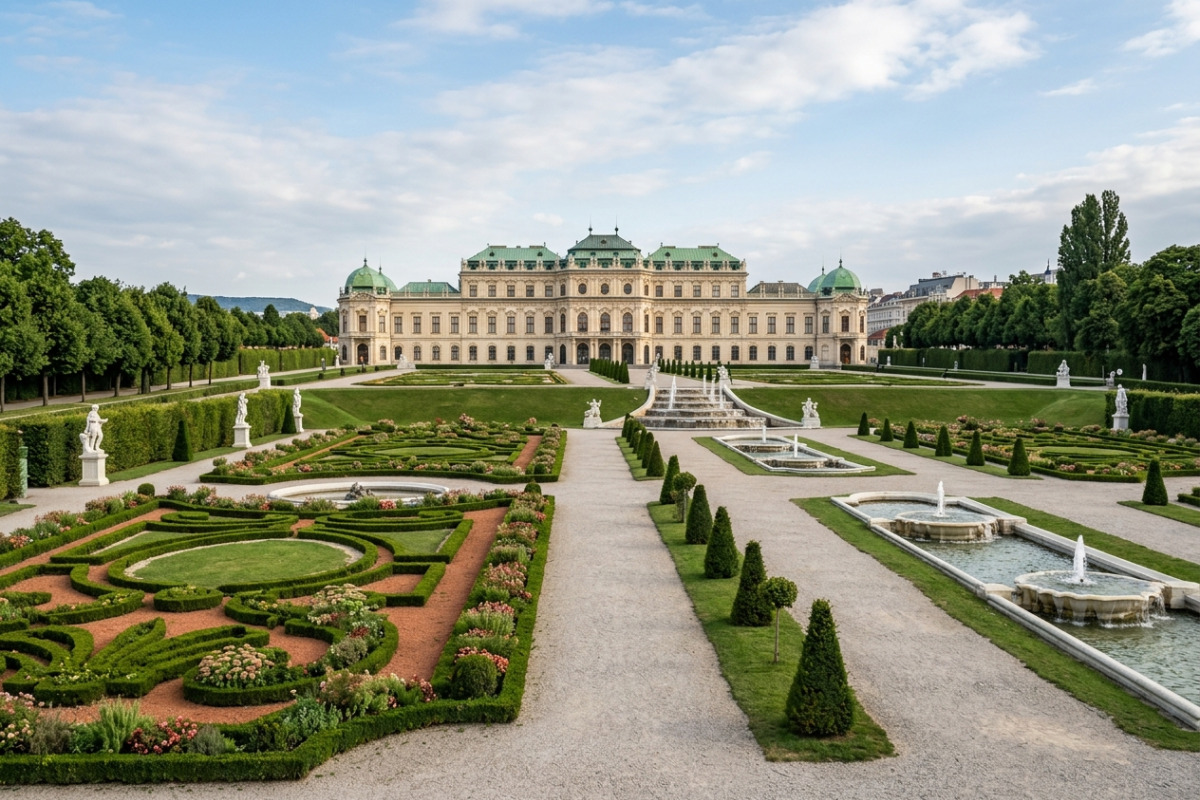
Engaging with the art in a meaningful way will allow you to connect with the cultural and historical significance of each piece. Don't forget to explore the beautiful gardens that complement the artistic experience, providing a serene backdrop for reflection and appreciation.