Gardens of Belvedere: A Symphony of Nature and Design
Vienna is a city where history breathes through the cobblestones, but nowhere is the dialogue between architecture and nature more profound than in the grounds connecting the Upper and Lower Belvedere. Stepping into this green expanse is akin to walking onto a stage set for an imperial play that has been running for over three centuries. The air here feels different—crisper, perhaps, carrying the scent of carefully manicured boxwood and the subtle humidity of ancient fountains. It is not merely a park; it is a calculated masterpiece of Baroque landscape architecture designed to guide the eye, lift the spirit, and assert the power of art over the wildness of the natural world.
As we explore this UNESCO World Heritage site, the preservation efforts have allowed the original vision of the gardens to shine with renewed vibrancy. The layout serves as a bridge, both physical and metaphorical, connecting two architectural marvels while standing as a destination in its own right. Whether you are an avid botanist, a lover of history, or a traveler seeking a moment of tranquility amidst the Viennese bustle, the Gardens of Belvedere offer a layered experience that rewards slow, attentive wandering. The symmetry is soothing, yet the details hidden within the hedges tell stories of mythology, seasons, and the eternal cycle of growth.
The Baroque Vision: A Masterpiece of Symmetry
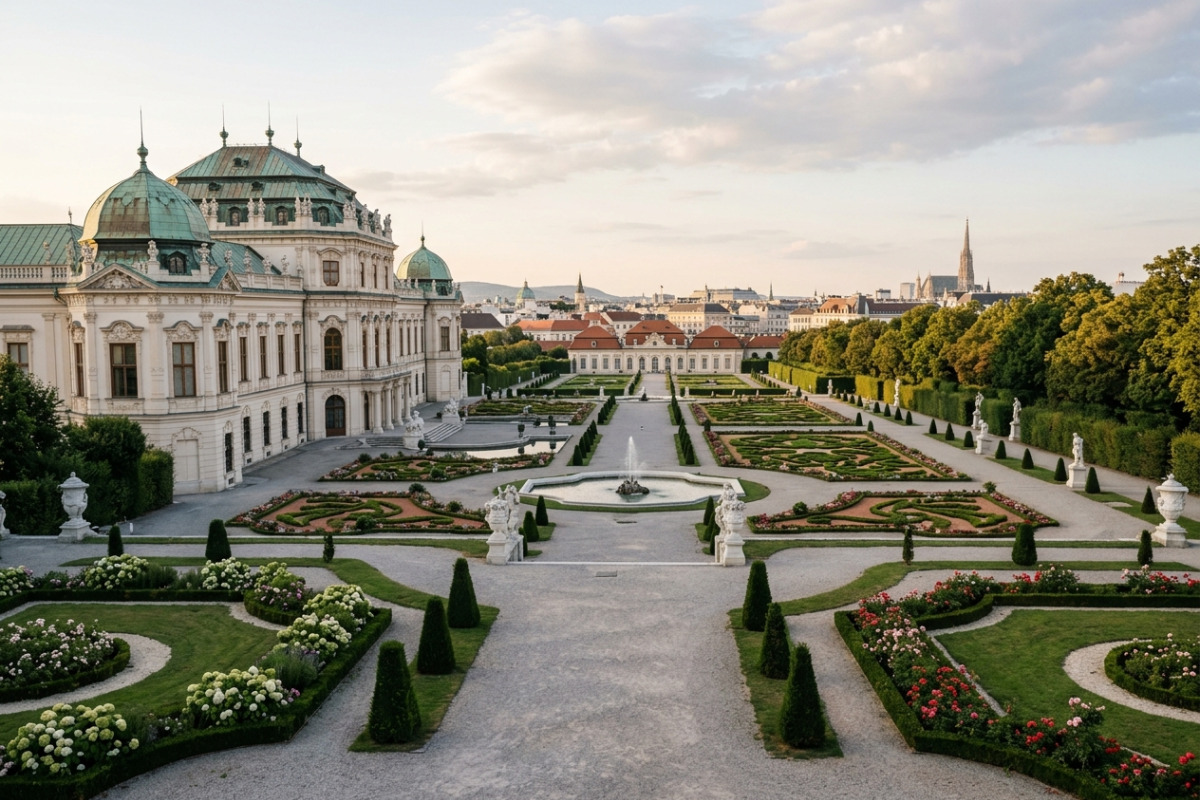
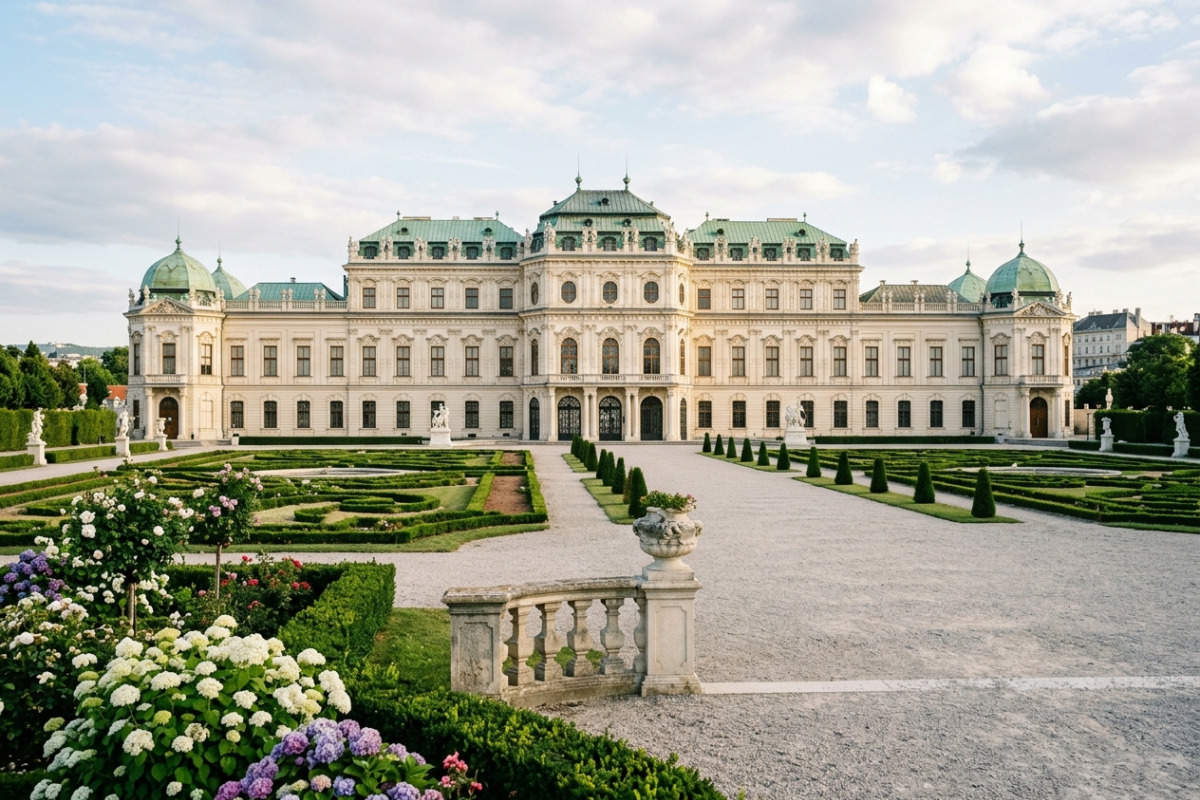
The design of the Belvedere Gardens is deeply rooted in the French formal garden tradition, known as the jardin à la française. Commissioned by Prince Eugene of Savoy, the layout was entrusted to Dominique Girard, a landscape architect who had honed his craft at Versailles. The result is a stunning display of dominance over nature, where every path, hedge, and flower bed is aligned to create a flawless visual axis. Standing at the Upper Belvedere and looking down toward the city, one cannot help but admire how the garden acts as a majestic carpet unrolled at the feet of the palace, directing the gaze toward the Stephansdom in the distance.
The fundamental concept here is the 'forced perspective.' The garden is constructed on a gentle slope, utilizing three distinct terraces that symbolize a journey of ascension. This isn't just about aesthetics; it is an allegorical ascent from the underworld to Olympus. The strict geometry provides a sense of order and grandeur that was essential to the Baroque worldview. The main axis connects the two palaces seamlessly, yet as you walk, you discover that the lateral paths offer intimate enclosures and hidden perspectives that break the rigid formality.
The Three Terraces of Existence
The garden is divided into three main sections, each serving a specific narrative purpose in the overall design. Understanding these levels transforms a simple walk into a journey through mythological symbolism:
- The Lower Terrace: This area represents the domain of the Four Elements. It is the closest to the Lower Belvedere and serves as the grounding point of the garden. Here, the parterres are intricate, resembling embroidered patterns on a green canvas. The flowerbeds are meticulously arranged, often featuring complex geometric designs and vibrant seasonal plantings. Statues representing earth, air, fire, and water are strategically placed to reinforce the elemental theme.
- The Middle Terrace: Ascending the slope, you reach the central section, often associated with Parnassus, the mythical home of the Muses. This is the heart of the garden's water features, where the interplay of light and reflection takes center stage. Elaborate fountains, reflecting pools, and meticulously sculpted hedges create a dynamic and visually captivating space. This terrace is designed to stimulate the senses and evoke a sense of artistic inspiration.
- The Upper Terrace: The culmination of the journey, representing Olympus, the home of the gods. This area, adjacent to the Upper Belvedere, offers the most commanding views and features large water basins that reflect the sky, effectively merging the heavens with the princely estate. The scale is grander here, with wider pathways and more expansive lawns, creating a sense of majesty and power. Statues of deities and allegorical figures further enhance the Olympian theme.
A Botanical Tapestry: Flora and The Alpine Garden
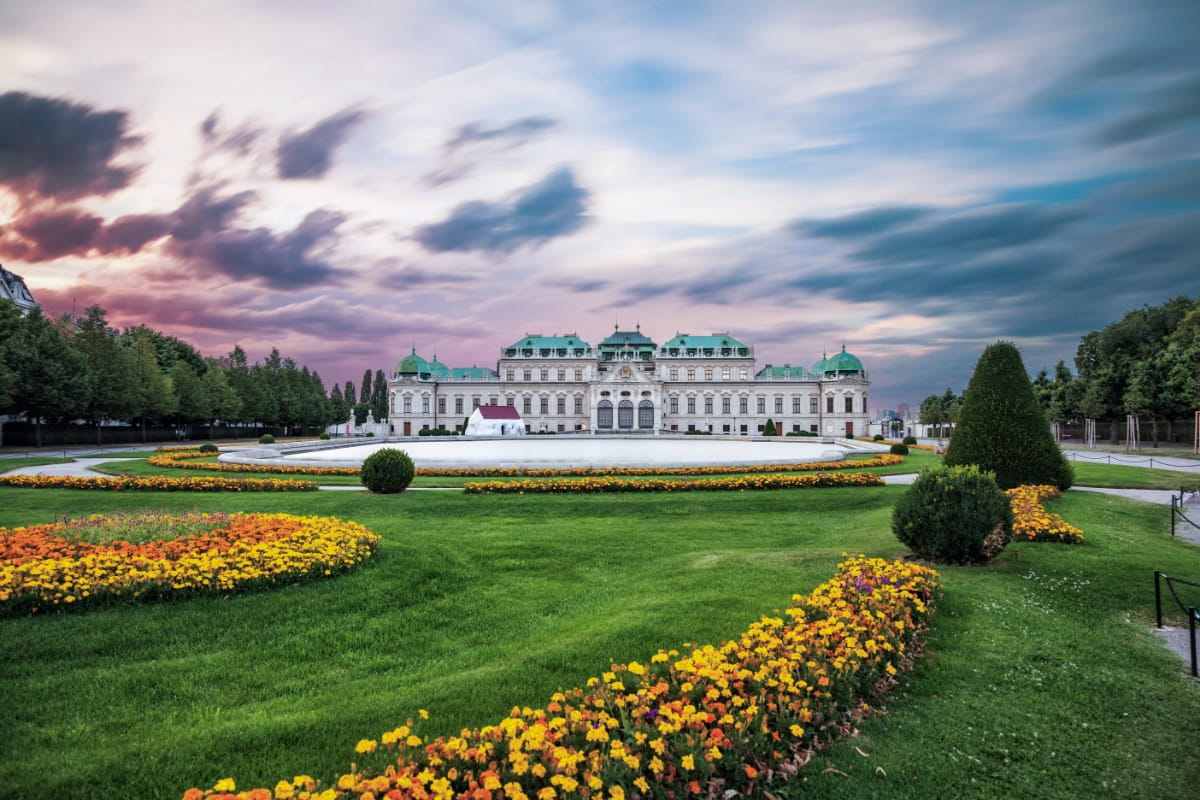
While the architecture provides the bones of the Belvedere, the flora provides its soul. The planting strategy here is a mix of rigorous control and botanical curiosity. The formal parterres are planted with thousands of seasonal flowers that are changed regularly to ensure a constant riot of color—tulips and pansies in the spring, followed by begonias and salvias as the year progresses. However, the green architecture of the clipped yew and boxwood hedges remains the constant protagonist, creating walls and windows that frame the landscape throughout the winter months.
Beyond the manicured symmetry lies a hidden gem that contrasts sharply with the Baroque order: the Alpengarten (Alpine Garden). Established in the 19th century, this is the oldest Alpine garden in Europe. It represents a shift from the desire to control nature to the desire to understand and preserve it. Here, the layout becomes organic, mimicking the rocky outcrops and soil conditions of high-altitude environments. It is a sanctuary for over 4,000 plant species, offering a wilder, more textured experience compared to the main parterre.
| Feature | Main Baroque Garden | The Alpine Garden (Alpengarten) |
| Design Philosophy | Strict symmetry, geometric shapes, control over nature. | Naturalistic, irregular, mimicking wild landscapes. |
| Primary Flora | Clipped hedges, seasonal bedding flowers, ornamental trees. | High-altitude flora, rock plants, rare bonsai-like shrubs. |
| Atmosphere | Grand, theatrical, open, and exposed to the sky. | Intimate, shaded, quiet, and detail-oriented. |
| Best Season | Spring and Summer for blooms; Winter for structure. | Late Spring (May-June) for the peak Alpine bloom. |
Water and Sculpture: The Fluid Soul of Belvedere
Water is the lifeblood of the Belvedere Gardens, acting as a mirror to the sky and the architecture. The intricate system of fountains was a marvel of engineering in the 18th century and remains a captivating sight today. The centerpiece is undoubtedly the Cascade Fountain. As you walk from the upper to the lower section, the sound of falling water accompanies you, creating a sensory barrier against the noise of the modern city. The cascades are adorned with sculptures of river gods and nymphs, reinforcing the mythological narrative of the grounds.
The sculptures scattered throughout the garden are not mere decorations; they are the silent inhabitants of this green palace. Most notably, the sphinxes guarding the Upper Belvedere have become iconic symbols of the estate. With their human faces and lion bodies, they represent strength and intelligence, silently watching over the visitors who pass between the terraces. Additionally, statues representing the months of the year line the pathways, serving as a reminder of the passage of time and the changing seasons that dictate the life of the garden.
The Seasonal Experience
Visiting the Gardens of Belvedere offers a distinct experience depending on the time of year. In the height of summer, the garden is a vibrant explosion of color, with the sun reflecting off the water basins and the gravel paths crunching under the feet of tourists from around the world. The long daylight hours allow for extended strolls where the golden hour light turns the palace façade into a glowing amber jewel. It is a time of energy and fullness, where the garden feels most alive and aligned with its original purpose of impressing guests.
Conversely, the colder months reveal the stark, architectural beauty of the landscape design. When the flowers have faded and the deciduous trees have lost their leaves, the evergreen hedges and the stone skeletons of the fountains take prominence. A winter walk here is melancholic yet deeply beautiful. The mist often hangs low over the terraces, and the statues seem to huddle against the cold. It is in these quiet moments that one can truly appreciate the genius of Dominique Girard’s layout—the lines, the angles, and the perspectives remain perfect, even when stripped of their floral ornamentation.
Practical Insights for the Modern Flâneur
To truly appreciate the Gardens of Belvedere, one must adopt the pace of a flâneur—an idler who observes the world with a keen eye. While the main path offers the classic postcard views, do not hesitate to explore the side alleys (bosquets). These areas often provide shade and seclusion, offering a different perspective on the central axis. Photography enthusiasts should aim for the early morning hours. Not only is the light softer, avoiding the harsh midday shadows, but the crowds are thinner, allowing for unobstructed shots of the symmetry that defines the space.
Accessibility is generally good throughout the main parterre, though the change in elevation between the Upper and Lower Belvedere involves slopes and stairs. However, ramped routes are available for those who need them, ensuring that the beauty of the gardens is inclusive. Finally, remember that these gardens are a living museum. While it is tempting to stray onto the grass for a picnic, the preservation of the historic layout requires visitors to stick to the pathways, ensuring that this symphony of nature and design endures for centuries to come.