Exploring the Hidden Gems of Vienna: Top Off-the-Beaten-Path Attractions
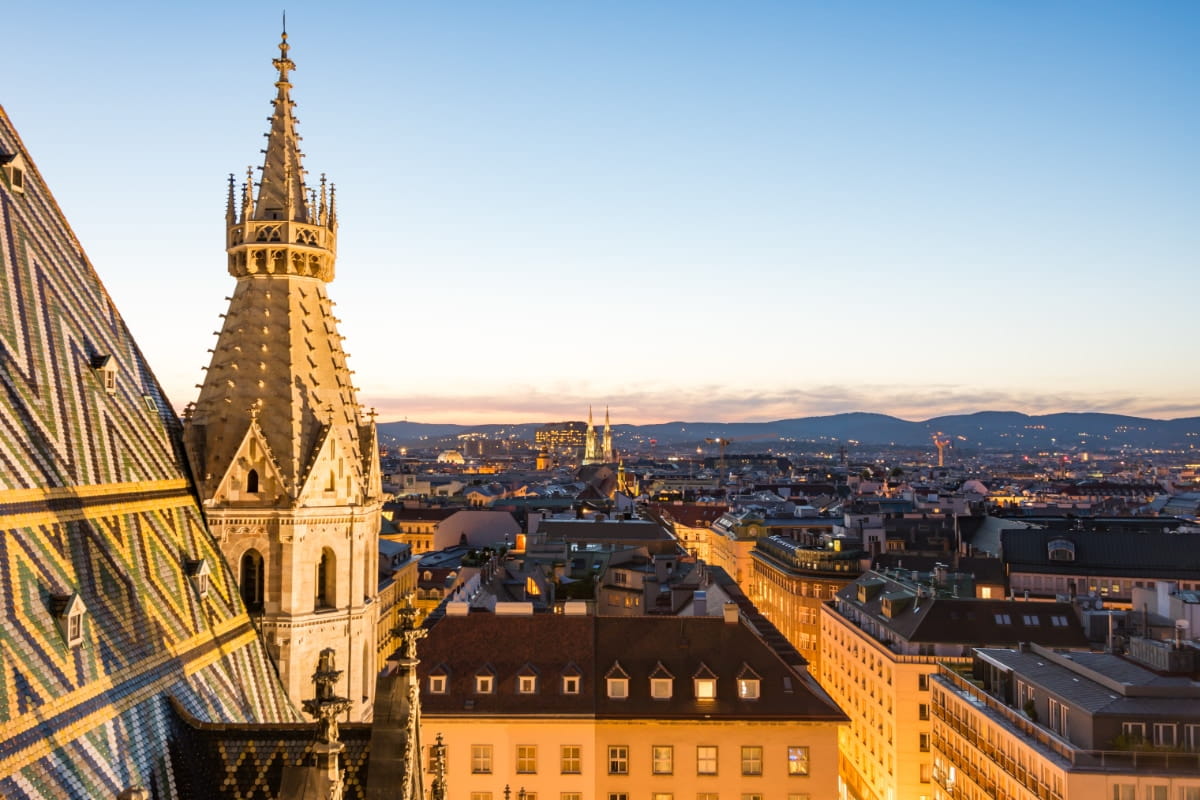
Vienna is a city that wears its imperial history with immense pride, often dazzling visitors with the sheer scale of the Schönbrunn Palace or the intricate details of St. Stephen’s Cathedral. However, for the discerning traveler navigating the city in 2026, the true soul of the Austrian capital is often found in the quiet alleyways and forgotten corners where tour buses cannot go. While the famous Ringstraße offers a parade of monumental architecture, stepping off this beaten path reveals a layer of intimacy and authenticity that transforms a standard vacation into a journey of discovery. There is a distinct rhythm to the lesser-known parts of Vienna, a slower tempo that invites you to linger, observe, and connect with the local lifestyle away from the frenetic energy of the main tourist hubs.
Venturing into these hidden spaces does not mean missing out on culture; rather, it provides a deeper context to the Viennese narrative, blending the old-world charm with contemporary local life. Whether you are seeking the solitude of a secret garden, the eccentricity of a niche museum, or the warmth of a café where the waiters know the regulars by name, Vienna’s secrets are waiting to be unlocked. By prioritizing these hidden gems, you allow yourself to experience the city not just as a spectator looking at exhibits, but as a temporary resident absorbing the atmosphere. Let us guide you through the curious, the quiet, and the quaint sides of Vienna that rarely make it onto the standard postcards.
Architectural Marvels Beyond the Baroque
While Vienna is synonymous with Baroque grandeur, its architectural portfolio is far more diverse and surprising if you know where to look. One of the most striking examples of this is the Wotrubakirche (Church of the Holy Trinity), located on the outskirts of the city in Liesing. Unlike the ornate domes of the city center, this structure is a brutalist masterpiece made of 152 asymmetrically arranged concrete blocks. Standing atop a hill, it offers a stark, modern contrast to the city's classical skyline and provides a serene, almost meditative space that feels worlds away from the crowded Graben. It is a place that challenges your perception of religious architecture and offers fantastic views of the Vienna Woods.
Local Tip: I spoke with a local architect, Anna, who frequents the Wotrubakirche for inspiration. She mentioned, "The way the light plays on the concrete throughout the day is mesmerizing. It's a truly spiritual experience, regardless of your religious beliefs." Consider visiting at different times of day to witness this phenomenon.
Another architectural secret is the Strudlhofstiege, an elegant outdoor staircase in the Alsergrund district that embodies the spirit of Viennese Art Nouveau. It is not just a way to get from one street level to another; it is a beautifully curved, green-painted masterpiece of engineering and design that has inspired literature and poetry. Visiting here offers a quiet moment of reflection; you can watch locals passing by on their daily commute, completely unaware that they are walking on a piece of art history. The surrounding neighborhood is equally charming, filled with Biedermeier-style buildings that tell the story of a wealthy, yet understated, past bourgeoisie.
Local Experience: I overheard a student reciting poetry on the Strudlhofstiege. When I asked him about it, he explained that it's a tradition among literature students to find inspiration in the staircase's unique design and atmosphere.
Serene Parks and Green Sanctuaries
Vienna is one of the greenest cities in the world, but most tourists flock to the Burggarten or the Volksgarten. For a truly tranquil escape, you must head to the Setagaya Park in the Döbling district. This Japanese garden is a meticulously landscaped haven of peace, featuring ponds, streams, and carefully pruned maples that explode with color depending on the season. It is a place designed for silence and contemplation, offering a stark contrast to the noise of urban life. Sitting by the bamboo fence, listening to the trickle of the waterfall, you might momentarily forget you are in Central Europe.
For those who prefer their nature a bit wilder, the Lainzer Tiergarten is an absolute must-visit that feels like a secret forest. Located at the edge of the city, this vast wildlife preserve was once the hunting ground of the imperial family. Today, it is a sprawling woodland where wild boars and deer roam freely, often crossing the hiking paths just a few meters from visitors. Within this park lies the Hermesvilla, a "castle of dreams" that Empress Elisabeth (Sisi) used as a retreat. It is far less crowded than her apartments in the Hofburg, yet it offers a much more personal glimpse into her desire for solitude and nature.
Authentic Culinary Corners
To eat like a local, you must avoid the queues at Café Central and instead seek out the Kleines Café on Franziskanerplatz. As its name suggests, it is tiny, intimate, and seemingly untouched by time. Designed by a famous architect but feeling entirely unpretentious, this spot is perfect for sipping a Melange while people-watching in one of the city’s most picturesque squares. The atmosphere here is thick with conversation and the smell of roasted beans, devoid of the rush to turn over tables for the next tourist group.
Furthermore, while Grinzing is the famous spot for wine taverns (Heuriger), the locals head to Stammersdorf or Strebersdorf across the Danube. These areas preserve the authentic rustic charm of the wine tavern tradition. Here, you sit on wooden benches in vine-covered courtyards, drinking Gemischter Satz (a local field blend wine) and eating hearty spreads from a buffet. The experience is raw, joyful, and incredibly welcoming, offering a genuine taste of Viennese hospitality.
Local Insight: I spoke with a Heuriger owner in Stammersdorf who told me, "We don't need fancy decorations or tourist traps. We offer good wine, good food, and good company. That's what Vienna is all about."
- Café Jelinek: Famous for its authentic velvet upholstery and lack of background music, perfect for reading.
- Vollpension: A heartwarming concept where grandmas and grandpas bake and serve the cakes, fostering intergenerational connection.
- Genuss-Festival (Seasonal): Keep an eye out for local food markets in the Stadtpark that pop up seasonally, showcasing regional producers.
- Naschmarkt’s Quiet Side: Visit the Saturday flea market adjacent to the food stalls for antiques and curiosities.
The Macabre and the Unique
Vienna has a long-standing relationship with the morbid, often referred to as "Schwarzer Humor" (black humor). To explore this fascinating cultural aspect, visit the Narrenturm (Fool's Tower). Built in the 18th century as the world's first psychiatric hospital, this round, fortress-like building now houses the Federal Pathologic-Anatomical Museum. It is certainly off the beaten path and not for the faint of heart, but it provides a gripping insight into the history of medicine and the city’s past approach to mental health. It is a stark reminder of the human condition, far removed from the polished exhibits of the art museums.
Another hidden cultural gem is the Globe Museum within the Palais Mollard. It is the only museum of its kind in the world, dedicated exclusively to terrestrial and celestial globes. The dim lighting and the array of ancient spheres create an atmosphere of exploration and scientific discovery. It is rarely crowded, allowing you to closely examine the craftsmanship of globes from centuries past, tracing how humanity’s understanding of the world has shifted over time.
Comparing the Tourist Path vs. The Hidden Path
Making the choice to explore the lesser-known attractions often yields a higher value in terms of experience and relaxation. Below is a comparison to help you swap out the crowded spots for their hidden counterparts.
| Typical Tourist Spot | Hidden Gem Alternative | Why Swap? |
| Prater Amusement Park | Böhmischer Prater | Smaller, nostalgic, family-run rides, and zero crowds. |
| Naschmarkt (Main Aisle) | Karmelitermarkt | Local produce, authentic vibe, and trendy local eateries. |
| St. Stephen's Cathedral Tower | Justizpalast Rooftop | Free entry, stunning architecture, and a panoramic view. |
| Mariahilfer Straße | Neubaugasse | Independent boutiques, vintage shops, and creative flair. |
| Café Sacher | Café Sperl | Historic ambiance, billiards, and better Apfelstrudel. |
Embracing the Slow Travel Mindset
Exploring these hidden gems requires a shift in mindset. It is about letting go of the checklist and embracing the art of getting lost. Vienna is a safe and walkable city, making it ideal for aimless wandering. When you choose to visit the Spittelberg quarter, with its narrow Biedermeier streets, you aren't just seeing buildings; you are walking through a village preserved within a metropolis. The Christmas markets here in winter are intimate and craft-focused, unlike the commercial spectacle at Rathausplatz. In the warmer months, the cobblestones cool down the evenings, making it perfect for an outdoor spritzer.
Ultimately, the beauty of off-the-beaten-path travel in Vienna lies in the personal connections you make. It is the chat with the stall owner at the Karmelitermarkt, the nod of acknowledgment from a waiter in a suburban Heuriger, or the silent camaraderie shared with another visitor gazing at the brutalist blocks of the Wotrubakirche. As you plan your itinerary for 2026, leave empty spaces. Allow the city to surprise you. These hidden gems are not just places to see; they are experiences to be felt, ensuring your memories of Vienna are as unique as the city itself.