Beyond The Kiss: Decoding the Hidden Symbolism in Klimt’s Golden Phase
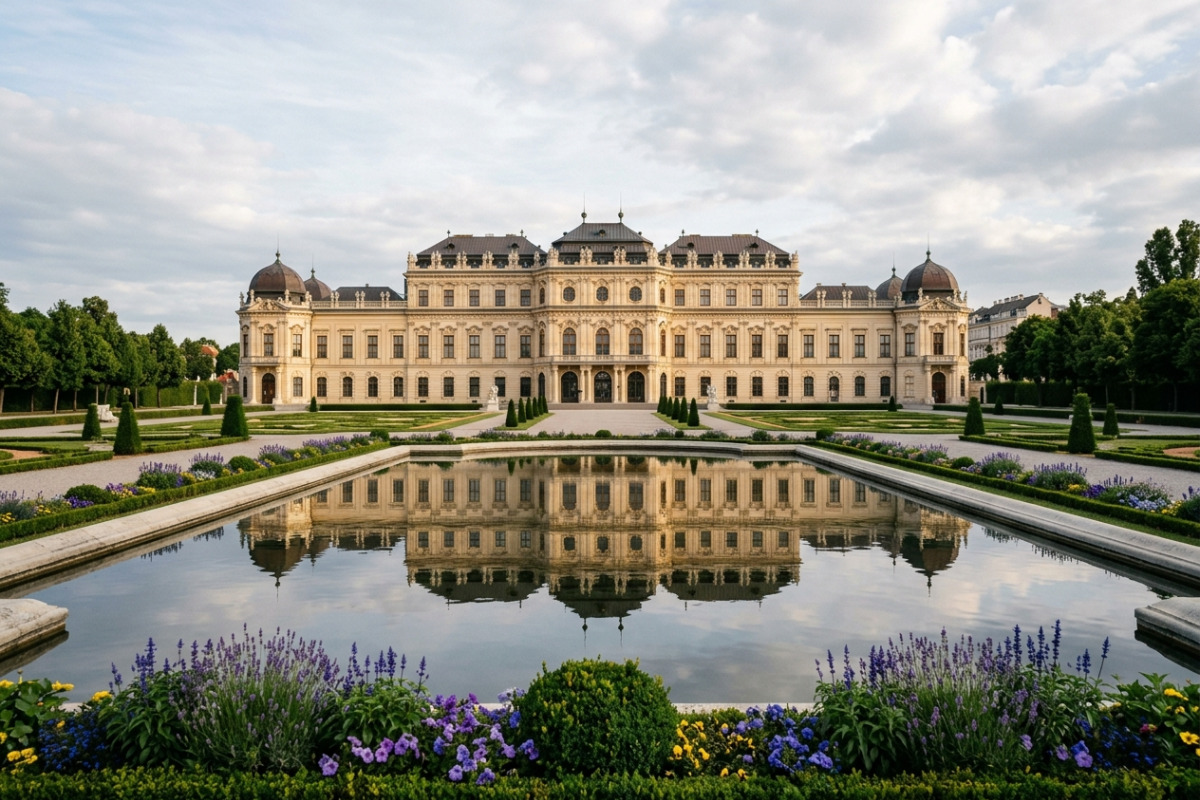
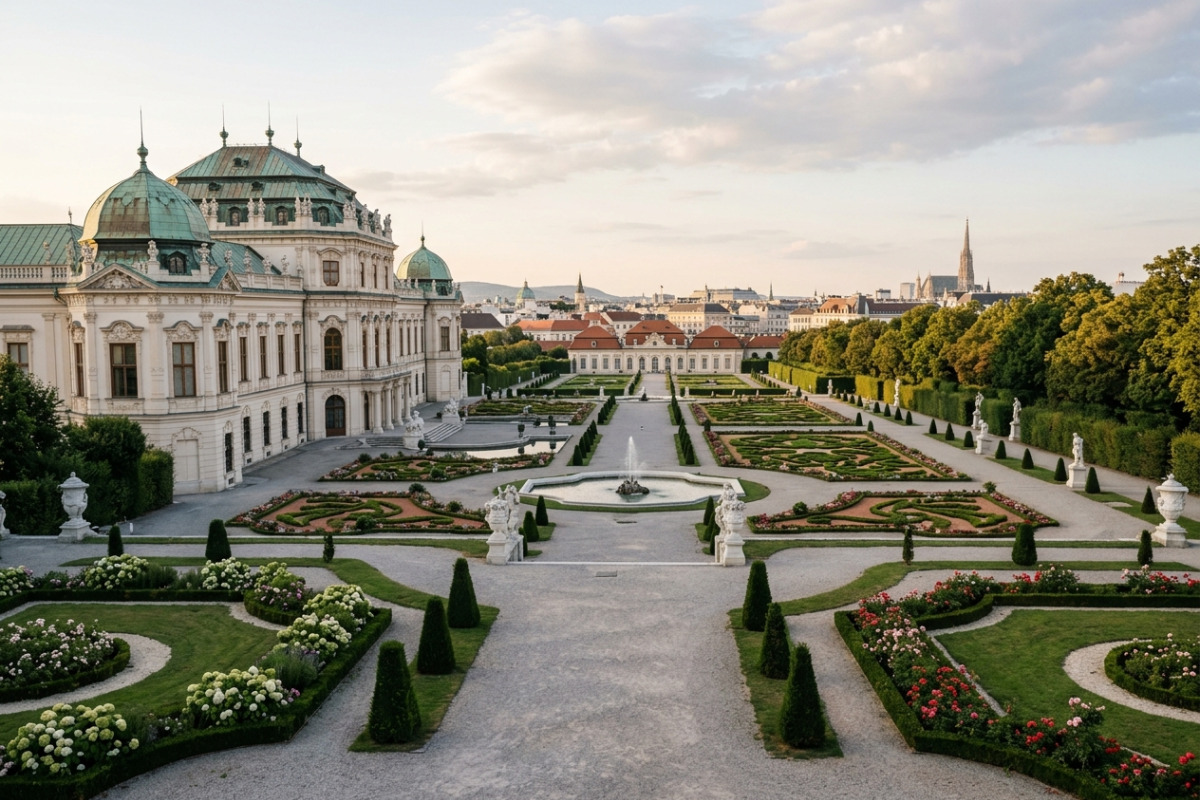
When you stand before the shimmering canvas of Gustav Klimt’s The Kiss, the immediate sensation is one of overwhelming warmth and opulence. It is easy to be dazzled by the sheer brilliance of the gold leaf, allowing the decorative beauty to overshadow the profound narrative woven into the texture. However, for the discerning art lover and the cultural traveler exploring Vienna in January 2026, looking beyond the surface reveals a complex lexicon of symbols. Klimt’s Golden Phase was not merely an aesthetic choice; it was a psychological exploration of intimacy, mythology, and the human condition, set against the backdrop of a rapidly modernizing Vienna. To truly appreciate these masterpieces housed within the Upper Belvedere, one must learn to read the language of the gold.
The Alchemy of Gold: Sacred Origins and Modern Intent
To understand the symbolism, we must first understand the medium itself, as Klimt’s use of gold was deeply autobiographical and historical. The son of a gold engraver, Klimt possessed an innate familiarity with the metal, but his artistic epiphany occurred during a visit to Ravenna, Italy. There, the Byzantine mosaics of San Vitale sparked a realization that gold could flatten space while simultaneously creating a spiritual, infinite dimension. In his paintings, the gold background isolates the figures from the mundane world, placing them in a timeless, ethereal realm where only their connection matters.
This technique served a specific allegorical purpose: to elevate human emotion to the level of the sacred. By wrapping his subjects in halos and golden shrouds, Klimt was canonizing the modern lover and the femme fatale. The gold leaf acts as a protective barrier, shielding the fragile intimacy of the subjects from the judgment of society. When you view these works, you are not looking at a mere portrait; you are witnessing a secular icon, where the religion is romance and the deity is the human spirit.
Decoding the Geometric Language of Love
One of the most fascinating aspects of the Golden Phase is Klimt’s use of geometric patterns to represent biological and psychological differences between the sexes. In The Kiss, the distinction is subtle yet deliberate, creating a narrative of unity through difference. If you look closely at the male figure’s robe, you will see rigid, rectangular shapes in black and white, symbolizing masculinity, logic, and physical strength. These hard edges contrast sharply with the patterns adorning the female figure.
The woman’s form is enveloped in soft circles, floral motifs, and vibrant, organic spirals, representing femininity, fertility, and emotional fluidity. This juxtaposition is not accidental; it reflects the Art Nouveau movement's fascination with natural forms while acknowledging the distinct energies that merge during a romantic union. The couple is locked in an embrace where these opposing shapes bleed into one another, suggesting that love is the harmonization of these contrasting forces.
Mythology and the Femme Fatale at the Belvedere
While The Kiss represents harmonious union, other works in the Golden Phase explore darker, more complex themes of power and seduction. The Belvedere houses Judith I, a masterpiece that reinterprets the biblical story of Judith beheading Holofernes through the lens of Viennese Modernism. Here, the gold does not protect a lover; it empowers a conqueror. The heavy gold choker and the stylized landscape behind her serve to emphasize her dominance and dangerous allure.
Klimt’s interpretation of mythology was heavily influenced by the intellectual climate of Vienna, particularly the emerging psychoanalytic theories of Sigmund Freud. The symbols in these paintings often bridge the gap between ancient legend and modern psychology:
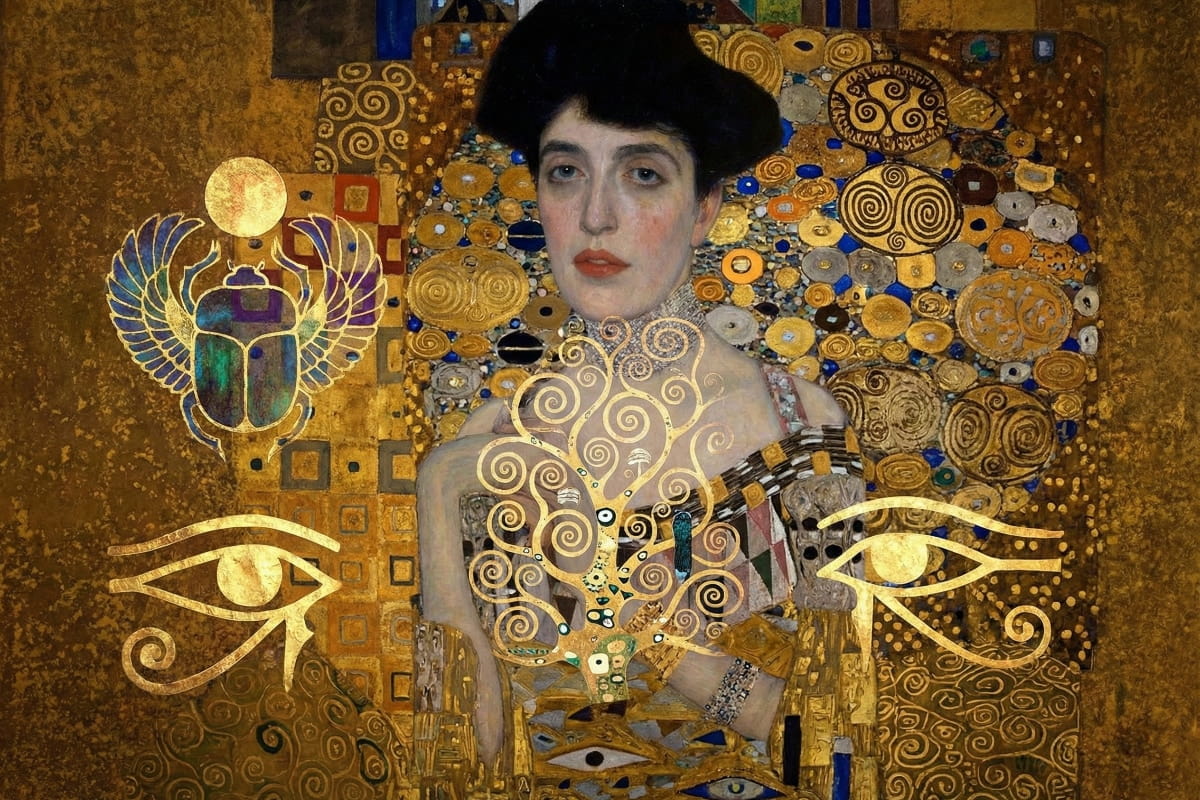
- The Vertical Eye: Often found on dresses or backgrounds, referencing the Egyptian Eye of Horus, symbolizing protection and royal power.
- Spirals and Volutes: Representing the infinite cycle of life, water, and the subconscious mind's depths.
- Stylized Flowers: Unlike realistic botanicals, these often symbolize fertility and the awakening of desire.
- Snakes and Water Serpents: Frequently used to denote the dangerous, captivating nature of the femme fatale.
A Guide to Symbols in Key Masterpieces
To help you navigate the rich tapestry of Klimt’s work during your visit to the Belvedere, the following breakdown highlights specific elements to look for. Understanding these details transforms a visual appreciation into an intellectual discovery.
| Masterpiece | Key Symbol | Allegorical Meaning |
| The Kiss | The Precipice (Meadow edge) | The couple stands at the edge of a cliff, symbolizing the danger and thrill of falling in love, or the isolation of lovers from the rest of the world. |
| Judith I | Gold Choker | A symbol of decapitation (separating the head from the body) but also a fashionable accessory of 1900s Vienna, blending violence with high society elegance. |
| Water Serpents I | Algae and flowing hair | The fluid lines represent the unconscious mind and the suspension of reality, typical of the dream-like states Klimt wished to evoke. |
| Fritza Riedler | Geometric Chair (The Peacock Eye) | The abstract eyes behind the sitter suggest she is being watched or possesses an inner vision, elevating a society portrait to a psychological study. |
To further illustrate Klimt's symbolic language, consider Danaë. In this piece, the shower of gold represents not only Zeus's divine intervention but also the overwhelming power of desire and the transformative potential of love. The golden rain, a recurring motif in mythology, becomes a visual metaphor for the intoxicating and sometimes destructive nature of passion. The tight composition and the subject's closed eyes suggest a surrender to this overwhelming force, highlighting the psychological depth Klimt brought to his mythological interpretations.
The Influence of Viennese Modernism
Klimt’s Golden Phase cannot be separated from the era of the Vienna Secession, a movement he helped found to break away from conservative academic art. The intricate patterns and gold leaf were a rebellion against the grey, industrial reality of the early 20th century. By incorporating arts and crafts techniques into fine art, Klimt was making a statement that art should encompass all aspects of life. The symbolism was a way to communicate with a society that was repressing its desires, offering a glittering mirror to their hidden selves.
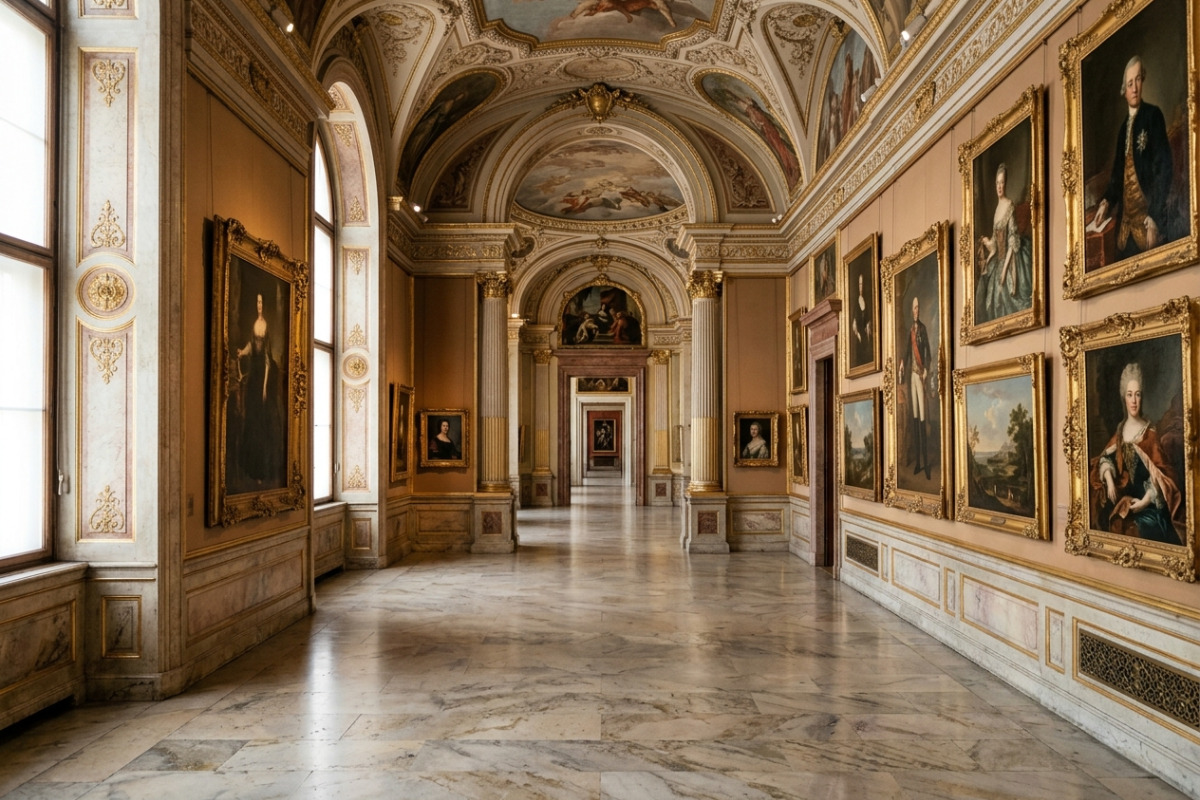
The architecture of the Belvedere itself complements this narrative perfectly. As you walk through the marble halls to reach these paintings, you are transitioning from the Imperial Baroque past into the Modernist dawn. The gold in Klimt’s paintings reflects the gold in the palace’s stucco, yet the meaning has shifted from glorifying an emperor to glorifying the individual soul and the complexities of the human psyche.
Experiencing the Aura
Seeing these works in digital format or in prints never does justice to the texture and the play of light on the gold leaf. As the natural light in the gallery changes throughout the day, the expressions of the figures seem to shift, and the symbols appear to dance. The gold acts as a living element, breathing life into the allegories Klimt meticulously embedded over a century ago.
Ultimately, decoding the Golden Phase is about recognizing that beauty in Klimt’s world is never superficial. Every square, every spiral, and every golden flake tells a story of a civilization at a crossroads, caught between the safety of tradition and the thrilling precipice of modernity. When you visit the Belvedere, take a moment to look past the famous kiss and read the golden secrets written in the background.