Belvedere Palace: A Journey Through Vienna's Cultural Soul
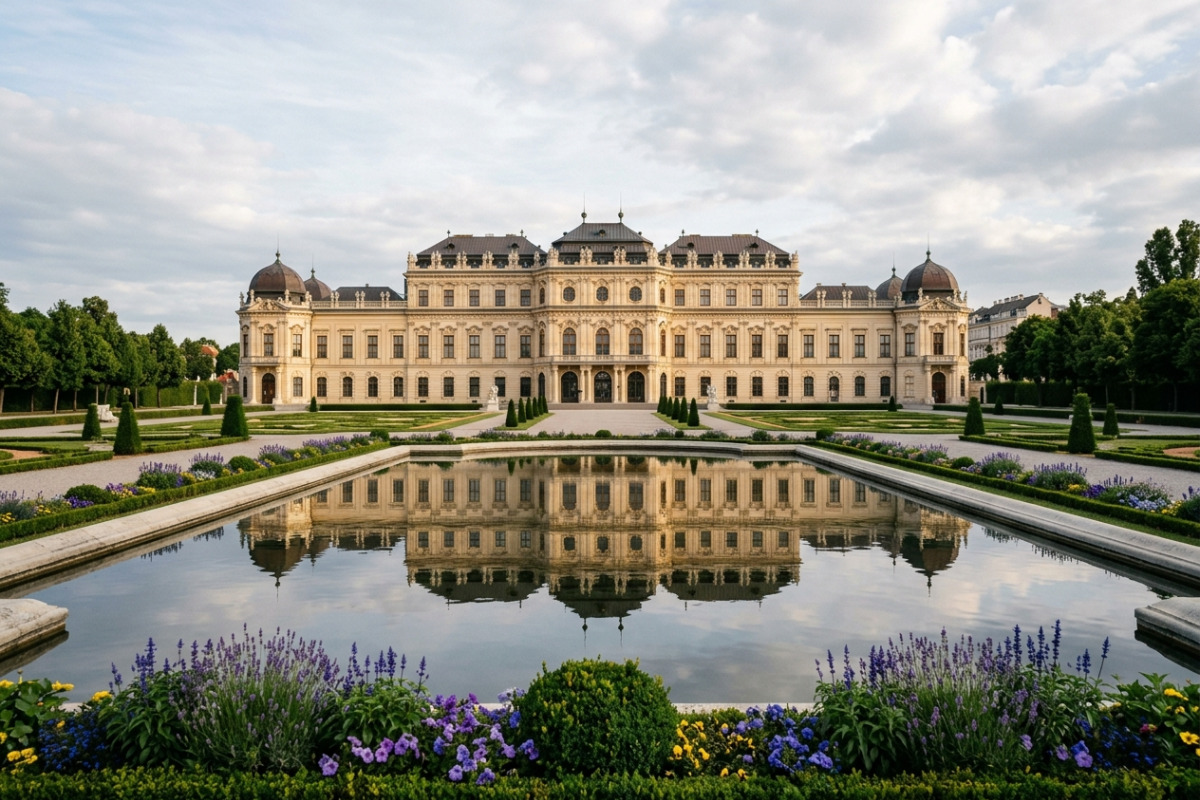
When you walk through the wrought-iron gates of the Belvedere today, in January 2026, the crisp Viennese air seems to carry the whispers of three centuries. It is impossible to separate the identity of Vienna from the silhouette of this magnificent complex. Standing majestically on a sloping hill, the Belvedere is far more than a stunning example of Baroque architecture; it is a living timeline of Austria’s artistic and social evolution. For travelers and history enthusiasts alike, understanding the Belvedere is essential to understanding the very soul of this city. It has morphed from a private sanctuary of a military genius into a global pilgrimage site for art lovers, serving as a mirror reflecting the changing face of the Austrian capital.
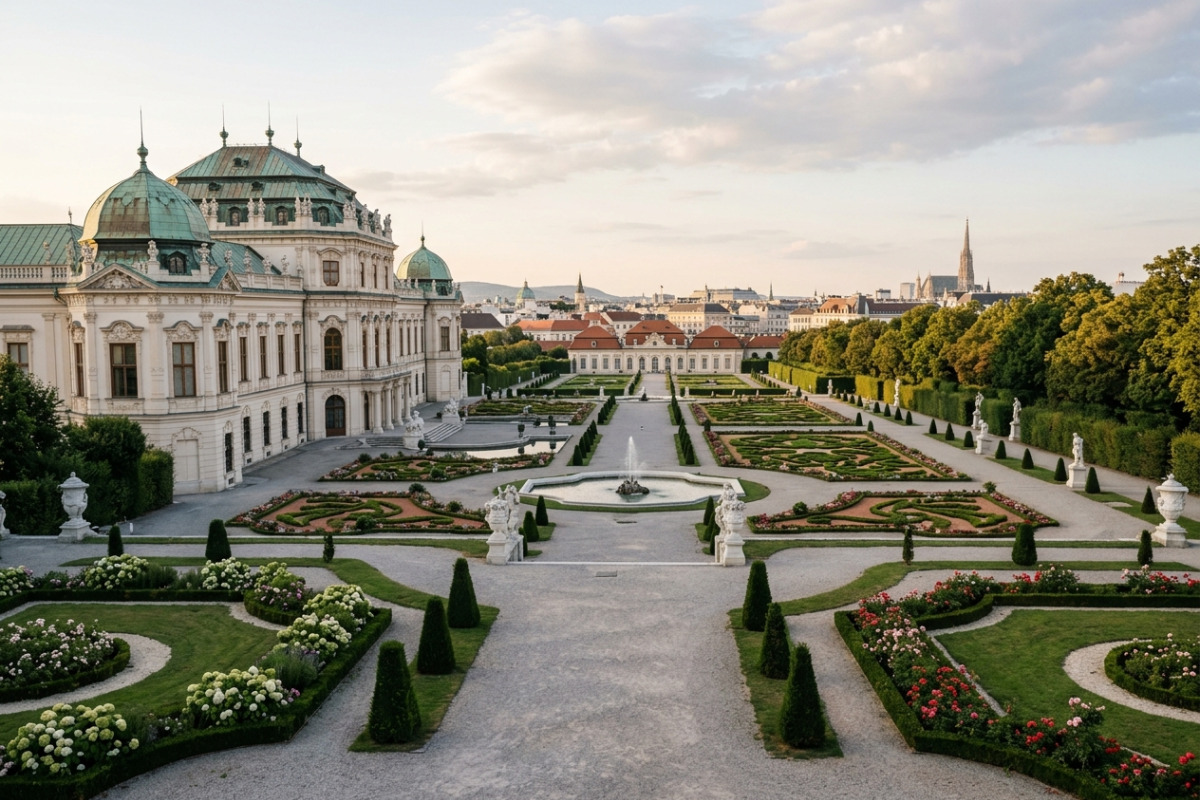
The palace complex, consisting of the Upper and Lower Belvedere, was originally conceived not as a museum, but as a statement of power and refined taste. Over the centuries, however, its walls have absorbed the melodies of classical concerts, the hushed debates of political treaties, and the vibrant colors of revolutionary art movements. As we explore its corridors, we are not just looking at a building; we are witnessing the stage upon which much of Vienna's cultural history has played out. From the manicured gardens connecting the two palaces to the gilded halls that house the world’s greatest collection of Gustav Klimt paintings, the Belvedere remains a pivotal cultural hub.
The Vision of Prince Eugene: A Baroque Masterpiece
The story begins in the early 18th century with Prince Eugene of Savoy, a military commander whose victories were as legendary as his appetite for the arts. He commissioned the renowned architect Johann Lukas von Hildebrandt to create a summer residence that would rival the splendor of Versailles. This was not merely a home; it was a carefully orchestrated architectural symphony designed to impress the courts of Europe. The Lower Belvedere was completed first, serving as the Prince’s residential quarters, while the Upper Belvedere was designed for pure representation—a venue for lavish festivals, receptions, and banquets that defined the social calendar of the era.
During Eugene's time, the palace acted as a magnet for the intelligentsia and the aristocracy. The Marble Hall, with its breathtaking ceiling frescoes, became a backdrop for the exchange of ideas that would shape the Enlightenment in Austria. The gardens, designed by Dominique Girard, were an extension of this cultural expression, utilizing water features and sculptures to tell mythological stories. Even then, the Belvedere was establishing itself as a place where nature, architecture, and social interaction converged seamlessly.
From Private Residence to Imperial Gallery
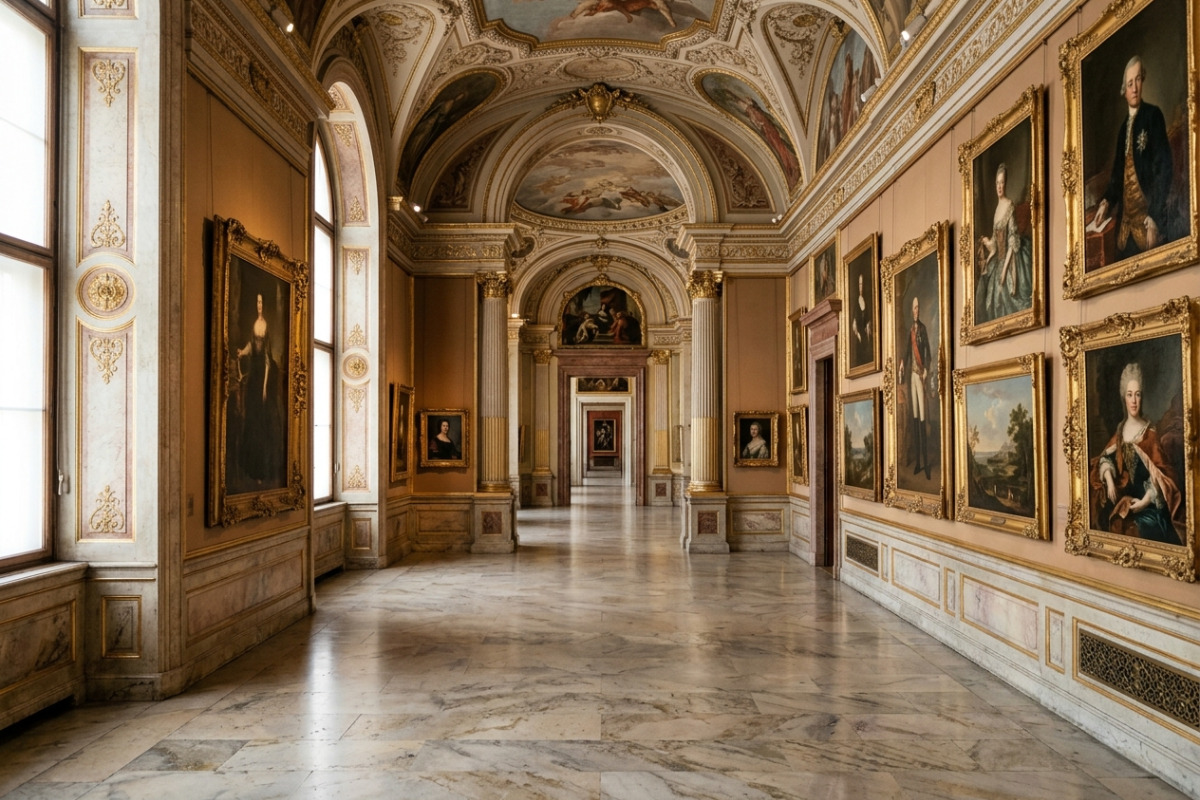
Following the death of Prince Eugene, the estate eventually passed into the hands of Empress Maria Theresa. It was under the Habsburgs that the Belvedere began its slow transformation from a private pleasure palace into a custodian of public culture. In the late 18th century, the imperial art collection was moved to the Upper Belvedere, marking a revolutionary moment in museology. It became one of the first public museums in the world, opening its doors to the people rather than keeping art locked away for the exclusive enjoyment of the monarchy.
This shift was monumental for Vienna's cultural landscape. It democratized access to beauty and knowledge, allowing local artists and citizens to study the masters. The decision to arrange paintings by art historical schools rather than purely for decorative effect was a pioneering concept that influenced museums across Europe. The Belvedere effectively became an educational institution, fostering a deeper appreciation for the arts among the Viennese population.
The Vienna Secession and the Klimt Connection
Perhaps the most significant chapter in the Belvedere's cultural narrative is its embrace of Modernism around the turn of the 20th century. While the building itself is a Baroque jewel, its heart beats with the rhythm of the Vienna Secession. The museum had the foresight to acquire contemporary works when other institutions were hesitant. This boldness cemented the palace's reputation as a forward-thinking cultural hub that respected tradition while championing the avant-garde.
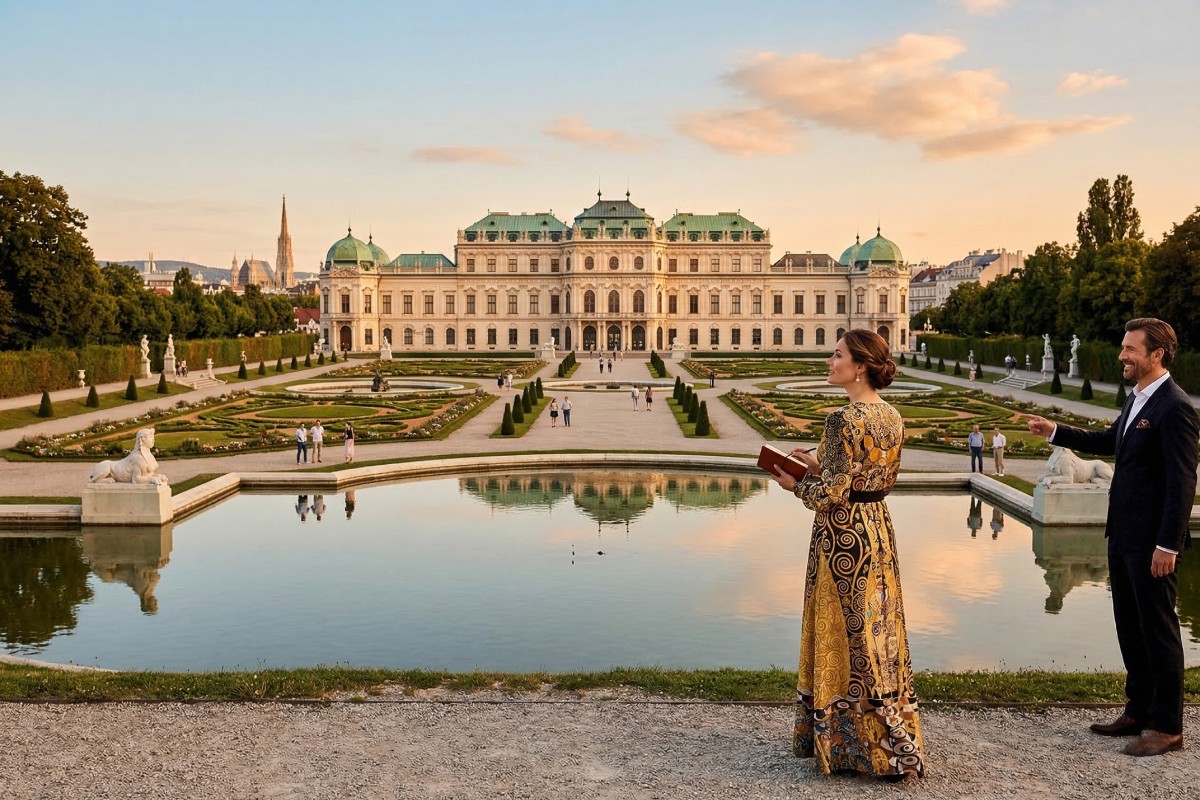
Today, the Belvedere is synonymous with Gustav Klimt. The acquisition of The Kiss and Judith transformed the Upper Belvedere into a sanctuary for the Golden Phase of Viennese Art. These works are not just exhibits; they are symbols of a time when Vienna was the intellectual capital of the world, teeming with Freud’s theories and Mahler’s symphonies. The presence of these masterpieces draws millions of visitors, creating a continuous dialogue between the opulent 18th-century architecture and the shimmering, erotic art of the early 1900s.
- The Kiss (Lovers): The centerpiece of the collection, representing the apex of Klimt's Golden Period.
- Judith: A powerful representation of the femme fatale, showcasing the shift in cultural societal norms.
- Egon Schiele's Portraits: Providing a raw, emotional counterpoint to Klimt’s ornamentation, highlighting the diversity of the era.
- French Impressionism: The collection also bridges Austrian art with international movements, featuring works by Monet and Van Gogh.
A Stage for History and Music
The cultural history of the Belvedere is not limited to canvas and stone; it is also deeply auditory and political. Throughout the 18th and 19th centuries, the palace hosted chamber music performances and grand balls that defined the social hierarchy of the empire. Music was the lifeblood of Vienna, and the Belvedere provided the acoustics and the ambiance for it to flourish. Even today, special concerts in the Marble Hall attempt to recreate the auditory splendor of those imperial evenings.
However, the most dramatic historical event to take place here occurred on May 15, 1955. It was on the balcony of the Upper Belvedere that the Austrian State Treaty was signed, restoring Austria's sovereignty after World War II. When Leopold Figl stepped out onto the balcony and showed the signed treaty to the cheering crowds in the gardens below, the Belvedere became a monument to freedom. This moment is etched into the collective memory of the nation, proving that the palace is a participant in history, not just a witness.
Timeline of Key Cultural Milestones
To understand the depth of the Belvedere's influence, it is helpful to look at the specific moments that defined its legacy:
| Era | Key Event | Cultural Impact |
| 1717-1723 | Construction of the Complex | Established a benchmark for Baroque architecture and garden design in Central Europe. |
| 1781 | Opening of the Imperial Gallery | Marked the transition to a public museum, democratizing art access. |
| 1897-1903 | Rise of the Secession | The museum began acquiring modern works, aligning itself with the avant-garde movement. |
| 1908 | Acquisition of 'The Kiss' | Secured the palace's future status as the home of Austrian Art Nouveau. |
| 1955 | Austrian State Treaty | The palace became a symbol of national independence and political rebirth. |
| 21st Century | Contemporary Exhibitions | Integration of the Belvedere 21 venue, focusing on post-war and contemporary art. |
The Belvedere Today: A Living Cultural Ecosystem
As we navigate through 2026, the Belvedere continues to reinvent itself while honoring its past. It is no longer just a repository of old things; it is a vibrant campus of creativity. The Lower Belvedere serves as a venue for top-tier temporary exhibitions that often contextualize Austrian art within a global framework. Meanwhile, the gardens serve as a social space for locals who jog, walk, or simply sit to admire the skyline, maintaining the site's relevance in daily life.
The institution has also embraced the digital age and contemporary discourse, hosting artist talks, educational workshops, and research initiatives. It bridges the gap between the imperial grandeur of the past and the dynamic, sometimes challenging, art of the present. For the traveler, a visit here is a multi-layered experience. You come for the gold of Klimt, but you leave with a profound sense of how architecture, politics, and art have intertwined to shape the Viennese identity.
Getting to the Belvedere: The Belvedere is easily accessible by public transport. Tram lines D, 18, and O stop directly in front of the palace (stop name: Schloss Belvedere). The S-Bahn station 'Rennweg' is also a short walk away. For those arriving by car, limited parking is available in the surrounding streets.
Ultimately, the role of Belvedere Palace in Vienna's cultural history is that of a constant anchor in a sea of change. It has stood firm through empires, wars, and revolutions, always adapting to serve the cultural needs of the time. Whether as a show of princely power, a museum for the people, or a symbol of freedom, the Belvedere remains the beating heart of Austria’s artistic heritage.