A Day Trip to the Wachau Valley: Wine, Culture, and Scenic Views
Just an hour west of Vienna, the landscape undergoes a dramatic transformation that feels less like a simple change of scenery and more like stepping into a living painting. The urban bustle fades away, replaced by the serene, rhythmic flow of the Danube River cutting through steep, terraced hillsides. This is the Wachau Valley, a UNESCO World Heritage site that manages to pack centuries of history, world-class viticulture, and breathtaking natural beauty into a stretch of river hardly 40 kilometers long. For travelers seeking to escape the city, a day trip here offers a perfect blend of relaxation and exploration, where every bend in the river reveals a new castle ruin, a pastel-colored church tower, or a sun-drenched vineyard.
Visiting the Wachau is not merely about sightseeing; it is about slowing down to match the pace of the river. Whether you are a history buff eager to explore medieval architecture, a wine enthusiast looking to sample some of the world’s best Rieslings and Grüner Veltliners, or simply someone who appreciates a stunning view, this valley delivers in abundance. The region is famously known for its apricots and its wine, but the true charm lies in the small, cobblestoned villages that dot the banks of the Danube. As we navigate through January 2026, the timeless allure of this valley remains as potent as ever, inviting visitors to breathe in the fresh air and soak up the culture.
Planning Your Journey: Getting There and Getting Around
The Wachau Valley is incredibly accessible, making it an ideal destination for a spontaneous day trip. However, choosing your mode of transport will significantly shape your experience. While driving offers the most flexibility to explore hidden side roads, the public transport network—specifically the combination of trains and boats—provides a more romantic and stress-free perspective of the landscape. Many travelers opt for the train from Vienna to Melk or Krems and then switch to bicycles or boats to navigate the valley floor.
To help you decide which mode of transport suits your travel style best, consider the following comparison of the most popular options available to visitors:
| Transport Mode | Pros | Cons | Best For |
| Train & Public Transport | Relaxing, eco-friendly, scenic views, no parking hassles. | Fixed schedules, less freedom to visit remote vineyards. | Solo travelers and those who want to taste wine freely. |
| Rental Car | Maximum flexibility, ability to visit off-the-beaten-path heurigers. | Driver cannot fully participate in wine tasting, parking can be tight in peak season. | Families or groups who want to control their own pace. |
| River Cruise | Stunning perspective from the water, connects major towns like Melk and Dürnstein. | Slower travel time, limited to towns with docks. | Sightseers who want the most picturesque experience. |
Morning: The Majesty of Melk Abbey
No trip to the Wachau Valley is complete without witnessing the architectural grandeur of Stift Melk (Melk Abbey). Perched high on a rocky outcrop overlooking the Danube, this Benedictine abbey is a masterpiece of the Austrian Baroque era. As you approach the town of Melk, the abbey’s massive yellow facade dominates the skyline, glowing golden in the morning light. It is advisable to start your day here to beat the mid-day crowds and to set a historical context for the rest of your journey through the valley.
Inside, the experience is nothing short of awe-inspiring. The Marble Hall and the collegiate church are lavishly decorated with frescoes and gold leaf, but the true highlight for many is the library. Housing thousands of medieval manuscripts, the library is a testament to the intellectual history of the region. Walking through these hallowed halls, you get a palpable sense of the monks' dedication to preservation and learning. After touring the interiors, take a moment to walk through the abbey gardens, which offer a panoramic view of the river valley stretching out before you—a preview of the route you are about to take.
Mid-Day: Scenic Routes and Charming Villages
Leaving Melk, the journey eastward toward Krems takes you through the heart of the valley. If you are traveling by boat, this is the stretch where the scenery becomes most dramatic. The Danube winds through steep hills covered in terraced vineyards that have been cultivated since Roman times. These stone walls, built without mortar, trap the heat of the day and release it at night, creating the unique microclimate that makes Wachau wines so exceptional. Along the way, you will pass the fortified church of St. Michael and the quiet, elegant town of Spitz, located around the "1000-Bucket Hill" (Tausendeimerberg), named for the immense volume of wine it produces in good years.
For those exploring by car or bicycle, a stop in Weißenkirchen is highly recommended. This fortified village is less crowded than Dürnstein but equally charming, featuring rustic architecture and a deep connection to winemaking traditions. It is the perfect place to stop for a traditional Austrian lunch. Look for a local "Gasthaus" serving regional specialties. The cuisine here is hearty and seasonal; if you are visiting in the warmer months, dishes featuring the famous Wachau apricots (Marillen) are mandatory, ranging from savory chutneys to the beloved Marillenknödel (apricot dumplings).
Afternoon: Dürnstein and the Echoes of History
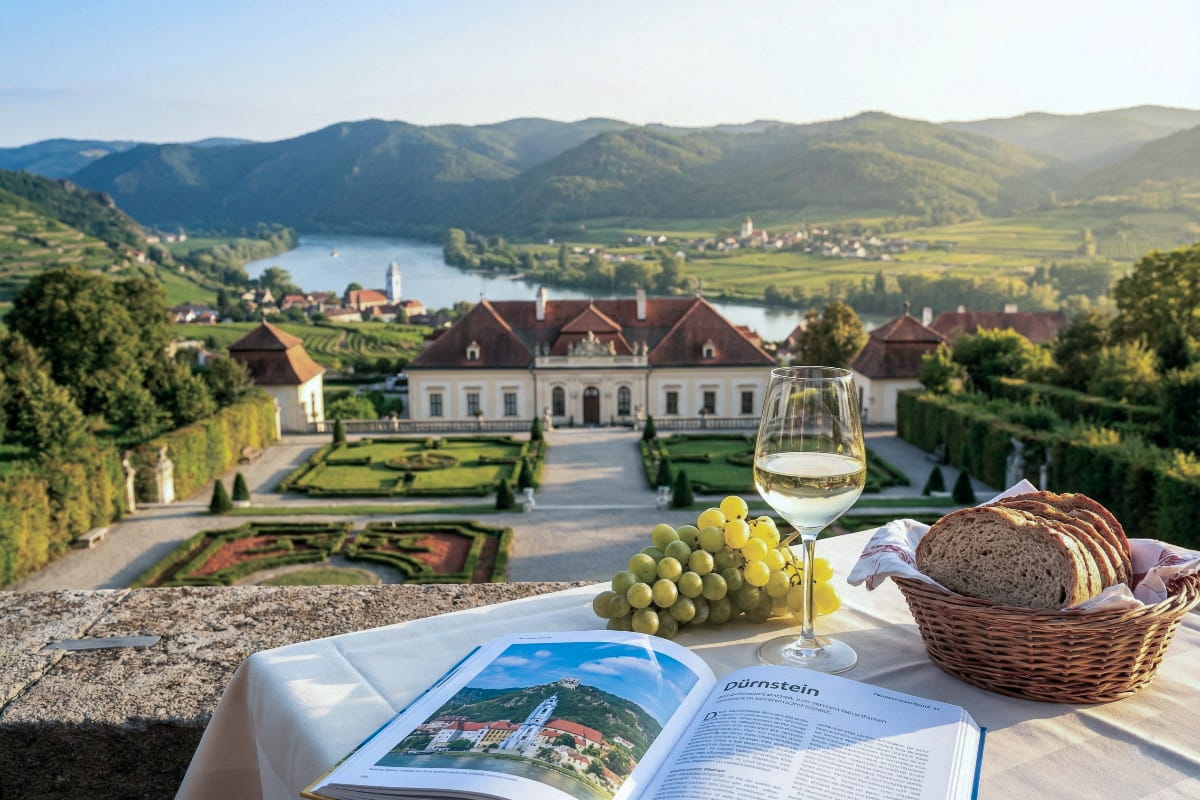
As you continue downriver, the iconic blue tower of Dürnstein Abbey comes into view, signaling your arrival in arguably the most picturesque town in the valley. Dürnstein is a storybook village with narrow, winding cobblestone streets, medieval facades, and flower boxes overflowing with color. It is small enough to explore on foot in an hour, but you will want to linger longer to soak in the atmosphere. The town sits right on the water's edge, creating a seamless blend of architecture and nature that photographers find irresistible.
For the active traveler, the afternoon offers a chance to burn off lunch with a hike up to the Dürnstein Castle ruins. The trail is steep and rocky, taking about 20 to 30 minutes to ascend, but the effort is richly rewarded. These ruins are famous for being the place where Richard the Lionheart was held captive in the 12th century by Leopold V. Standing atop the crumbled walls, you are treated to a 360-degree view of the Danube loop and the patchwork of vineyards below. It is a spot of profound beauty and history, offering a quiet moment to reflect on the centuries of human activity that have shaped this landscape.
Late Afternoon: The Art of Wachau Wine Tasting
As the sun begins to lower, casting a golden hue over the vines, it is time to dedicate your attention to the region's most famous export: wine. The Wachau Valley is renowned for its white wines, particularly Riesling and Grüner Veltliner. Unlike other regions, the Wachau has its own strict quality classification system—Steinfeder, Federspiel, and Smaragd—based on the alcohol content and weight of the wine. Tasting these wines where they are grown allows you to understand the concept of "terroir" in a way that simply buying a bottle at home cannot replicate.
Instead of large commercial tasting rooms, the Wachau is famous for its "Heuriger" culture. These are traditional wine taverns run by the winemakers themselves, often located right in the vineyards or in the courtyards of their homes. To identify a Heuriger that is open, look for a bundle of pine branches hanging above the entrance door. Here are a few things to look forward to during your tasting experience:
- Atmosphere: Expect a casual, rustic setting with wooden benches and a friendly, communal vibe.
- The Wine: Try a crisp Federspiel for refreshment or a complex Smaragd to see the aging potential of the region's grapes.
- The Food: Heurigers serve cold platters (Brettljause) with local cheeses, cured meats, spreads like Liptauer, and dark rye bread.
- Conversation: It is not uncommon for the winemaker to pour your glass and share stories about the latest harvest.
Planning Your Visit: Best Time to Go & What to Eat
While the Wachau Valley is beautiful year-round, the best time to visit is generally from late spring to early autumn (May to September). During these months, the weather is pleasant, the vineyards are lush, and many Heurigers are open. The apricot harvest in July is a particularly special time to visit, with apricot-themed festivals and dishes available throughout the region.
Speaking of food, beyond the Heuriger platters, be sure to try some of the Wachau's other culinary delights. Here are a few recommendations:
- Marillenknödel: As mentioned before, these apricot dumplings are a must-try, especially when in season.
- Wachauer Laberl: A traditional, crusty bread roll perfect for sandwiches or enjoying with cheese and wine.
- Danube Fish: Fresh fish from the Danube River, often prepared grilled or pan-fried. Look for Zander (Pike-Perch) on menus.
- Apricot Jam and Liqueur: Take some home as a souvenir!
Conclusion: A Day Well Spent
As you make your way back to the city, watching the silhouette of the vineyards fade into the twilight, the lasting impression of the Wachau Valley is one of harmony. It is a place where nature and human ingenuity have coexisted for millennia, resulting in a landscape that is productive, beautiful, and deeply culturally significant. Whether you came for the spiritual history of Melk, the physical challenge of the Dürnstein ruins, or the sensory delight of a chilled glass of Grüner Veltliner, the valley leaves a mark on your soul.
A day trip here is more than just a checklist of sites; it is a reminder of the good life. The combination of fresh air, historical depth, and culinary excellence makes the Wachau Valley not just a destination, but an experience that rejuvenates the spirit. So, when the noise of the city becomes too much, remember that the Danube is waiting, flowing quietly past the vines, ready to welcome you back.