Museum vs. Gallery: Understanding the Roles of Upper and Lower Belvedere
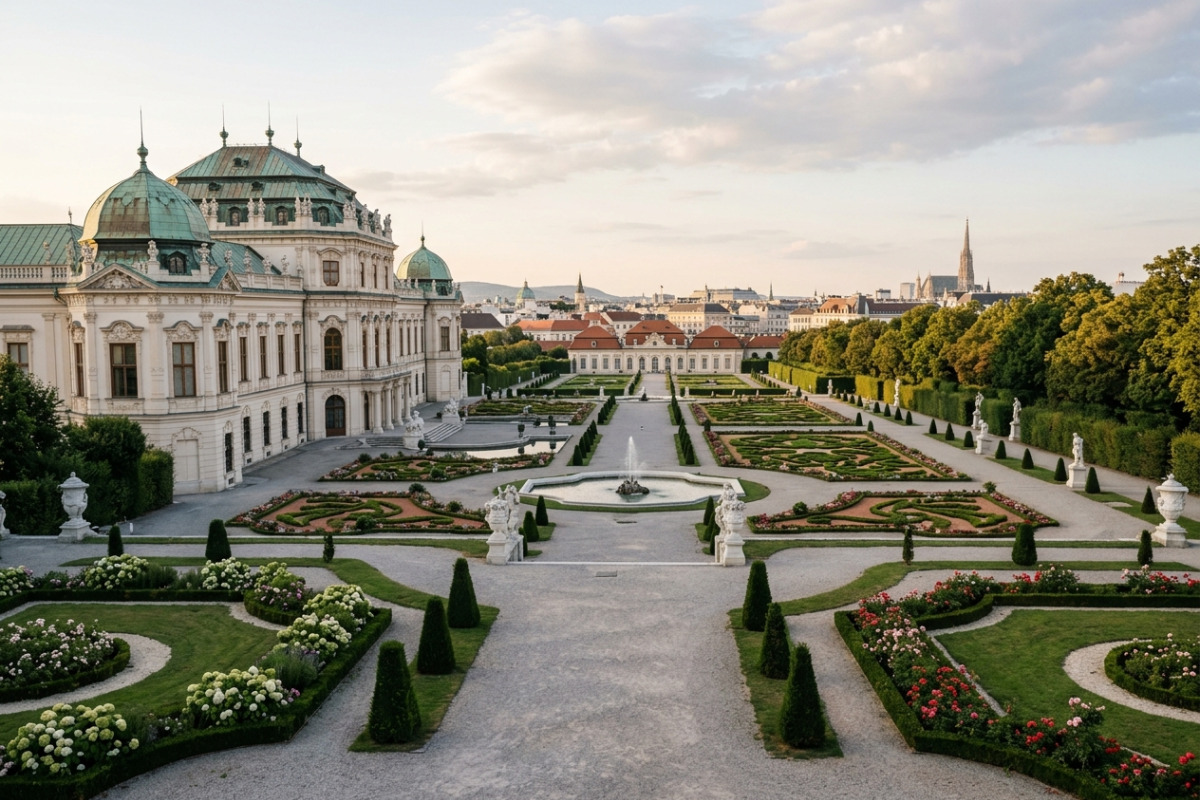
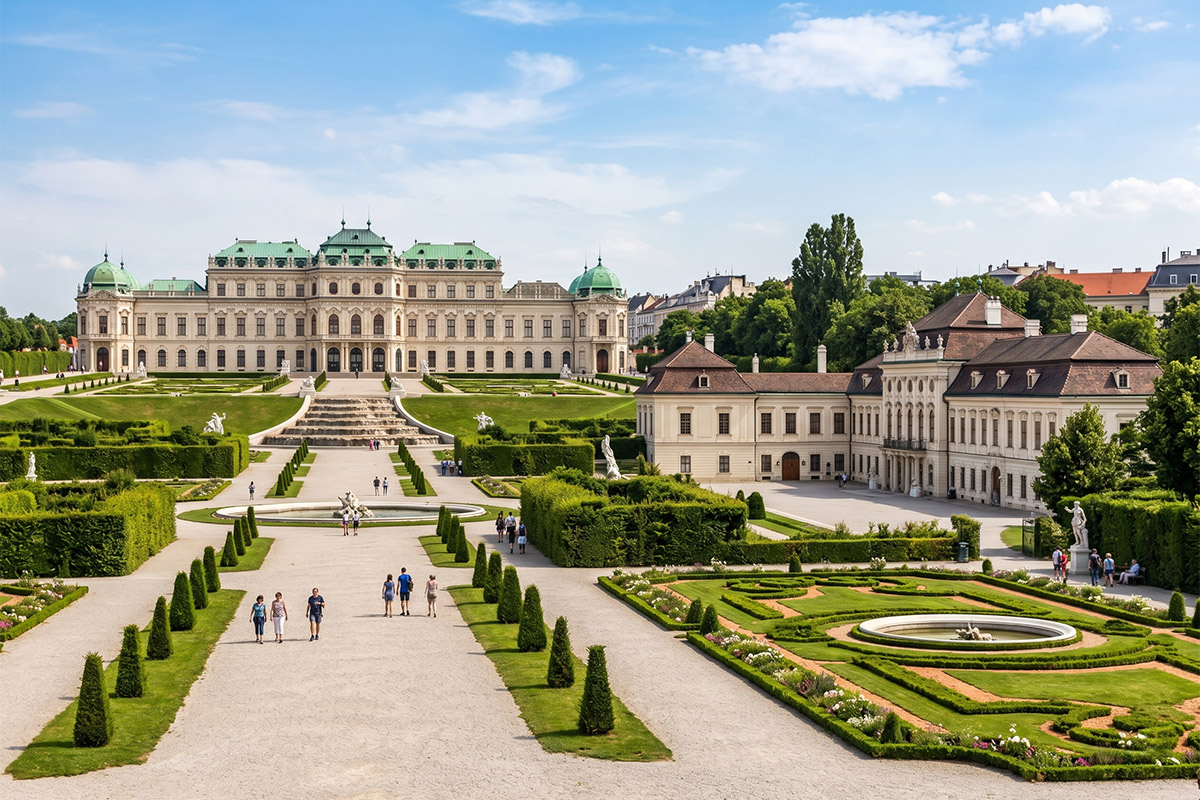
When standing in the sweeping gardens of Vienna’s third district, looking up at the baroque splendor of the Belvedere complex, it is easy to be overwhelmed by the sheer scale of history in front of you. For many travelers visiting Vienna in 2026, the Belvedere appears as a singular entity—a massive palace dedicated to art. However, seasoned culture enthusiasts know that this UNESCO World Heritage site is actually split into two distinct personalities. It is not merely two buildings separated by a garden; it is a duality of purpose. To truly appreciate what Prince Eugene of Savoy left behind, one must understand the fundamental difference: the Upper Belvedere is the guardian of history, acting as a traditional museum, while the Lower Belvedere serves as a dynamic gallery, constantly reinventing itself through temporary exhibitions.
Understanding this distinction is crucial for planning your itinerary. Depending on whether you are seeking the iconic kiss of gold or a deep dive into a specific artistic movement, your destination within the complex will change. The architecture, the flow of visitors, and even the atmosphere differ significantly between the two palaces. By recognizing the Upper Belvedere as the permanent home of Austrian masterpieces and the Lower Belvedere as a rotating stage for curated shows, you can tailor your Viennese cultural experience to match your artistic appetites perfectly.
The Upper Belvedere: A Temple of Permanence
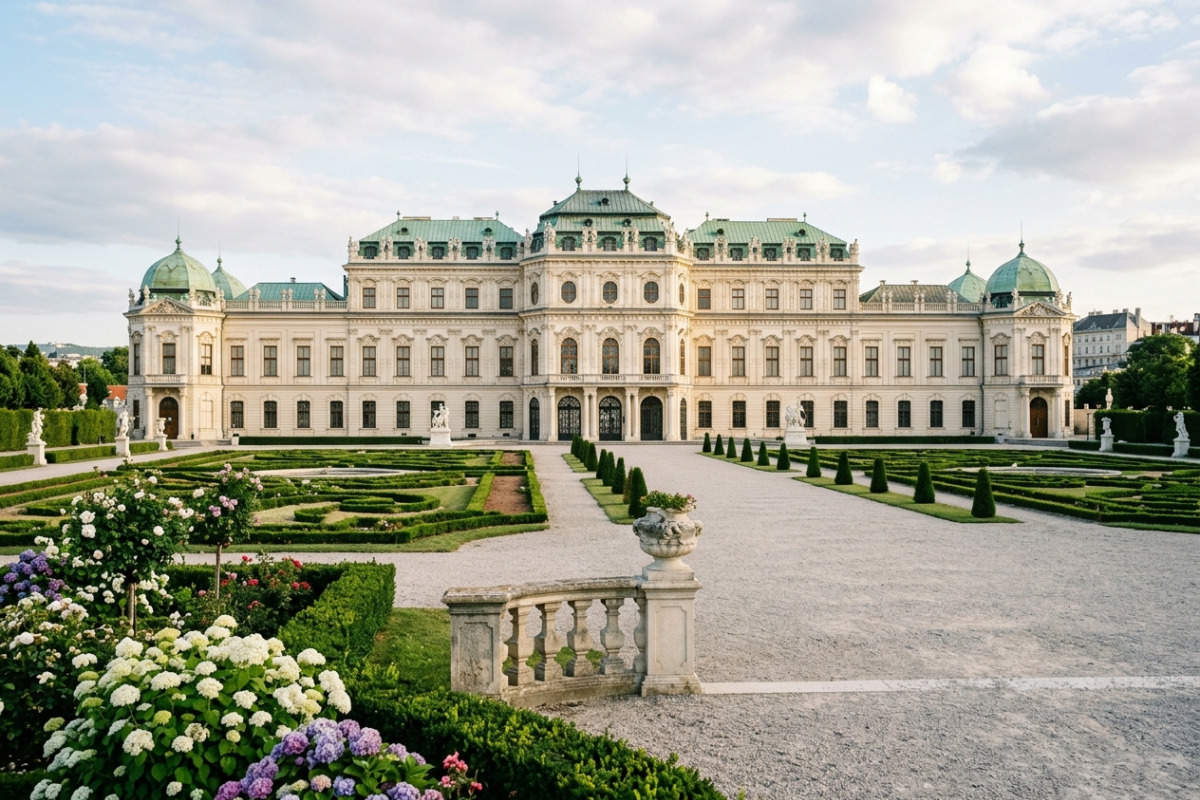
The Upper Belvedere sits atop the hill, physically and metaphorically overseeing the city of Vienna. Its role is that of a classic museum, tasked with preserving and displaying the canon of Austrian art history. When you purchase a ticket for the Upper Belvedere, you are essentially buying a pass to see the "Greatest Hits" of the nation's artistic legacy. This is where the collection remains stable, allowing visitors from around the world to rely on the presence of specific masterpieces year after year. The curation here focuses on a timeline that stretches from the Middle Ages through the Baroque period and into the Vienna Modernism of around 1900.
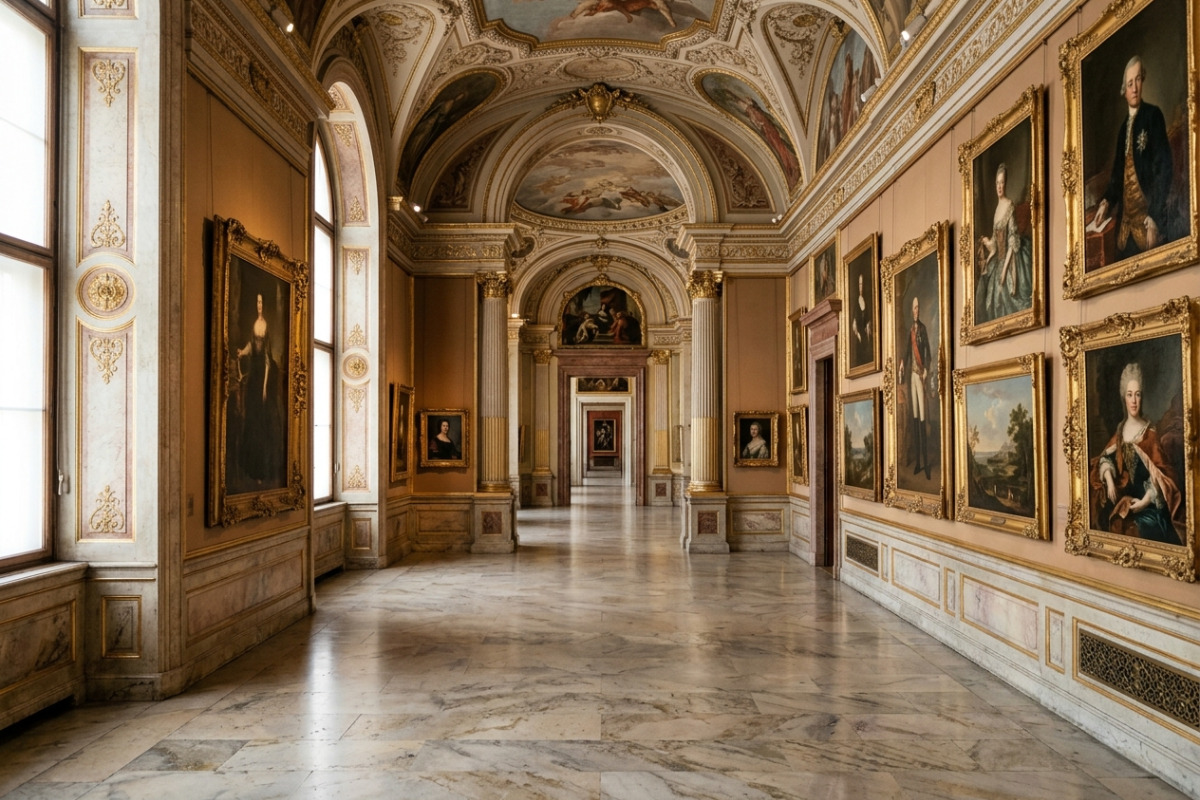
The centerpiece of this museum experience is, without a doubt, the world’s largest collection of Gustav Klimt paintings. The magnetic pull of "The Kiss" is undeniable, drawing millions to the Upper Belvedere to witness its golden shimmer in person. However, the museum role extends far beyond a single artist. The permanent collection provides a comprehensive narrative, guiding visitors through the emotional landscapes of Egon Schiele (consider his "Self-Portrait with Physalis") and the expressive works of Oskar Kokoschka (such as "Hans Tietze and Erica Tietze-Conrat"). As a museum, the Upper Belvedere is designed for education and legacy; it tells the story of how Vienna became a crucible of European culture. The grandeur of the Marble Hall and the Sala Terrena complements this function, framing the permanent artworks within an architecture that is, in itself, a historical exhibit.
Key Highlights of the Museum Experience
- The Klimt Collection: The heart of the permanent display, featuring "The Kiss" and "Judith."
- Vienna 1900: A dedicated exploration of the Secessionist movement and the birth of Modernism.
- Baroque Masterpieces: Art that reflects the era of Prince Eugene, providing context to the building itself.
- Historical Continuity: The layout allows visitors to walk through centuries of artistic evolution in chronological order.
The Lower Belvedere: A Canvas for Change
If the Upper Belvedere is the steady anchor, the Lower Belvedere is the ship that sails to new territories. Historically serving as Prince Eugene’s residential palace, this structure now operates primarily as a gallery (Kunsthalle). This distinction is vital: a gallery’s soul is defined by flux. There is no permanent "star" painting that lives here forever. Instead, the Lower Belvedere hosts prestigious temporary exhibitions that change every few months. These shows are often thematic, focusing on specific eras, international dialogues, or retrospectives of artists that may not be fully represented in the permanent collection up the hill.
The atmosphere in the Lower Belvedere is more intimate and focused. Because the exhibitions rotate, the curators have the freedom to transform the space completely to suit the current theme. One month, the rooms might be filled with the stark realism of the interwar period; six months later, the same walls might host a dialogue between medieval sculpture and contemporary photography. The inclusion of the Orangery and the Palace Stables into this gallery concept allows for a diverse range of media to be displayed. For the frequent visitor to Vienna, the Lower Belvedere is the reason to return, as it promises a fresh experience and a new intellectual challenge with every visit.
What to Expect from the Gallery Experience
- Thematic Exhibitions: Deep dives into specific subjects, such as "Women in Art 1900" or "The Baroque vs. The Modern."
- International Loans: Since it operates as a gallery, this venue often showcases works borrowed from major institutions like the Louvre or the MoMA.
- Contextual History: The exhibitions often utilize the residential nature of the palace (the Hall of Grotesques, the Marble Gallery) to create a dialogue between the art and the Prince’s living quarters.
- Contemporary Focus: The Lower Belvedere is more likely to host modern interventions and contemporary art installations than its counterpart.
Comparative Breakdown: Museum vs. Gallery
To help visualize the operational differences between these two magnificent structures, the following table breaks down the core aspects of the visitor experience. This comparison highlights why treating them as separate entities is beneficial for a structured visit.
| Feature | Upper Belvedere (Museum) | Lower Belvedere (Gallery) |
| Primary Role | Permanent Collection & Heritage | Temporary Exhibitions & Special Shows |
| Must-See Art | Gustav Klimt's "The Kiss" | Changes based on current curation |
| Visitor Goal | Checklist viewing, First-time visit | Deep dive, Returning visitor, Niche interest |
| Atmosphere | Grand, bustling, ceremonial | Intimate, focused, residential feel |
| Architectural Highlight | Grand Staircase & Marble Hall | Hall of Grotesques & Golden Cabinet |
| Time Required | 1.5 to 2 hours | 1 to 1.5 hours (varies by exhibition) |
The Gardens: The Connecting Narrative
Separating and simultaneously connecting these two worlds is the magnificent Baroque garden. It is important to view this space not just as a walkway, but as a transition zone between the two concepts. In the 18th century, the garden was designed to represent a journey from the underworld to Olympus. Today, it serves as a palate cleanser for the modern visitor. Walking from the intense, changing narratives of the Lower Belvedere gallery up the slope to the permanent majesty of the Upper Belvedere museum allows for a mental shift.
The incline of the garden forces a slower pace, giving travelers time to process what they have seen before engaging with the next venue. Whether you start at the bottom with a temporary show and work your way up to Klimt, or begin with the icons at the top and descend into the special exhibitions, the garden is the essential link that binds the museum and gallery concepts into a unified cultural estate.
Planning Your Visit: Practical Information
To make the most of your visit, consider these practical details:
- Opening Hours: Both Upper and Lower Belvedere are generally open daily from 10:00 AM to 6:00 PM. However, hours may vary depending on the season and special events. Check the official Belvedere website for the most up-to-date information.
- Ticket Prices: As of late 2024, a combined ticket for both Upper and Lower Belvedere costs approximately €30. Individual tickets are also available. Discounts may apply for students, seniors, and groups. Purchasing tickets online in advance is highly recommended, especially during peak season.
- Accessibility: Both palaces offer accessibility features for visitors with disabilities, including elevators and ramps.
- Getting There: The Belvedere is easily accessible by public transportation. Take tram D to Schloss Belvedere or the U1 subway line to Südtiroler Platz-Hauptbahnhof, followed by a short walk.
Which Experience Fits Your Travel Style?
Choosing between the Upper and Lower Belvedere—or deciding to tackle both—depends largely on what you seek to gain from your time in Vienna. Not every traveler needs to see every room, and understanding the Museum vs. Gallery dynamic empowers you to make a choice that aligns with your interests.
- Choose the Upper Belvedere if: You are in Vienna for the first time and want to see the iconic images that define the city. If your goal is to stand before "The Kiss" and understand the broad strokes of Austrian art history, the museum experience is mandatory.
- Choose the Lower Belvedere if: You are an art aficionado who appreciates curated storytelling. If you have visited Vienna before or prefer thematic explorations over general overviews, the gallery environment will offer a more satisfying intellectual engagement.
- Choose Both if: You have a full half-day dedicated to culture. The combination of the permanent foundation (Upper) and the temporary innovation (Lower) provides the most complete picture of Austria's artistic identity.
Ultimately, the beauty of the Belvedere lies in this duality. It respects the need for preservation while acknowledging the necessity of evolution. Whether you find yourself lost in the gold of the museum or challenged by the concepts of the gallery, you are participating in a cultural dialogue that has been active in Vienna for centuries.