The Hidden History of Belvedere Palace: Uncovering Its Legacy
Belvedere Palace stands as a testament to Vienna's grand history, yet much of its narrative remains cloaked in mystery. As you walk through its magnificent halls and lush gardens, you may wonder about the stories woven into its walls and the events that shaped its destiny. In this exploration, we delve into the lesser-known facets of Belvedere Palace's history, showcasing its architectural evolution and cultural impact.
The Architectural Evolution of Belvedere Palace
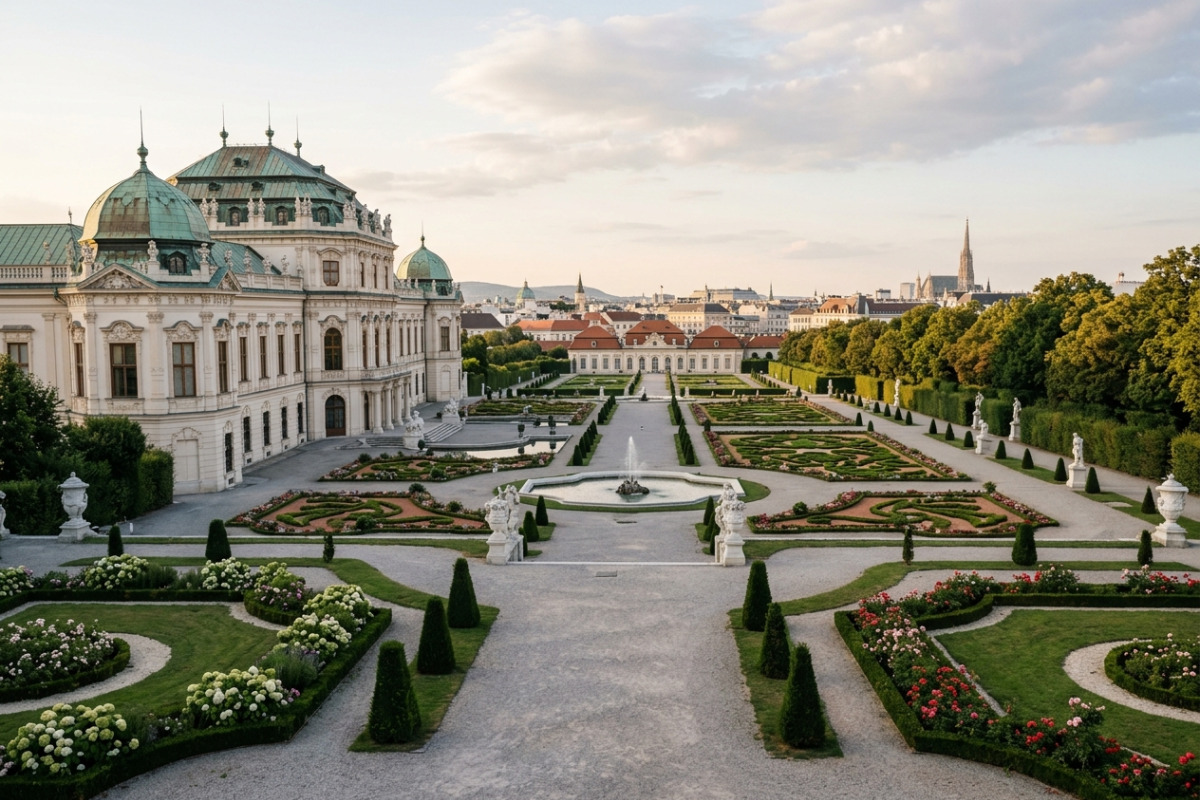
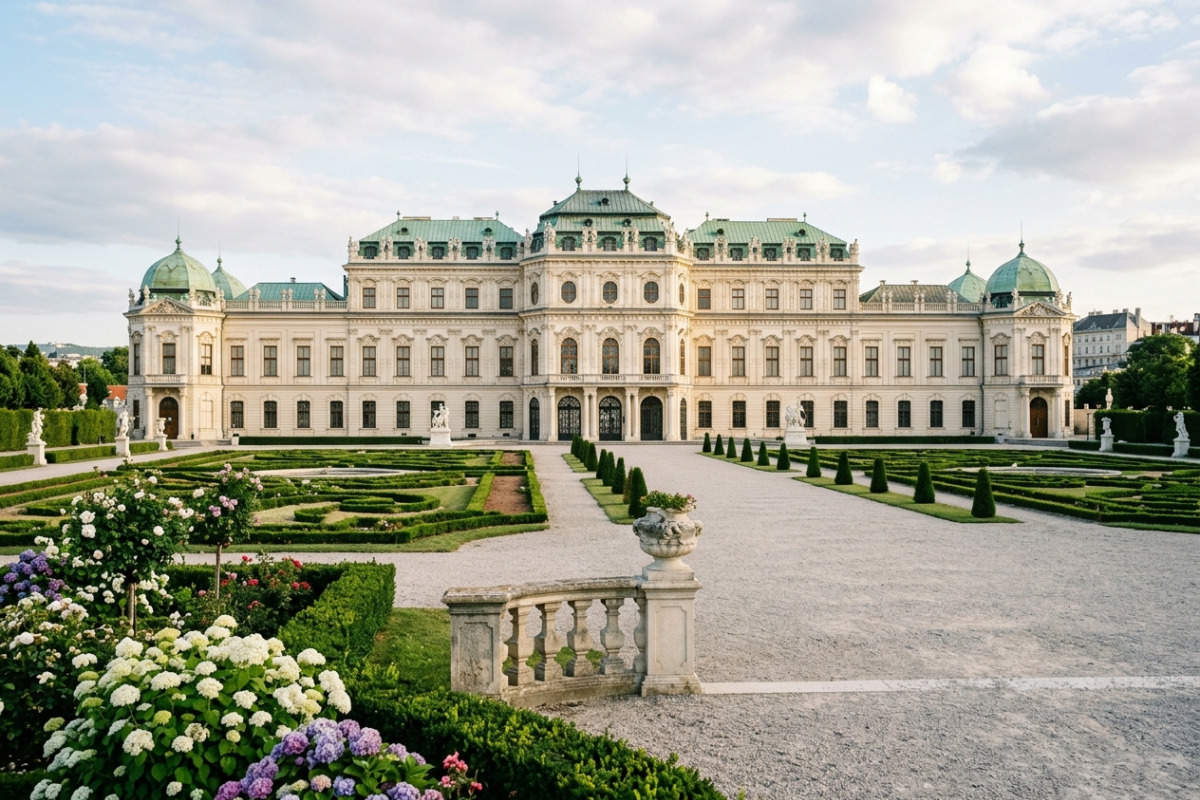
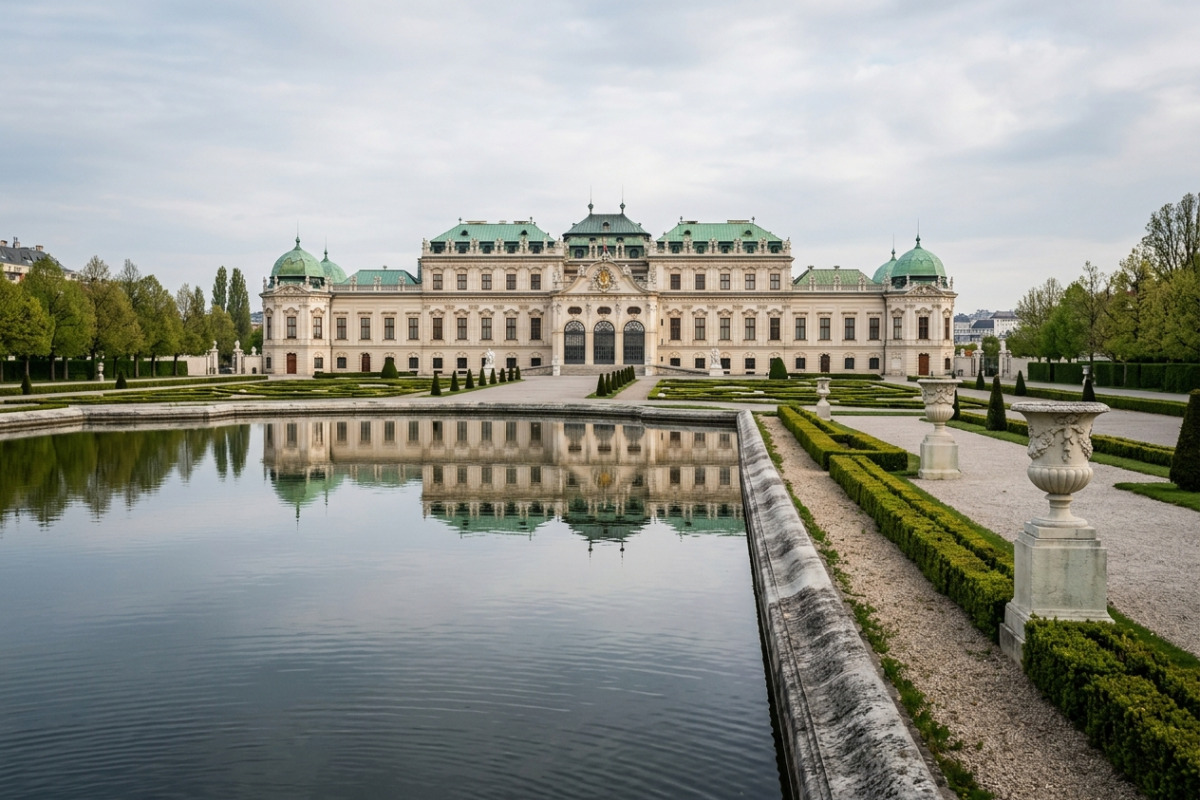
Originally commissioned by Prince Eugene of Savoy in the early 18th century, Belvedere Palace was designed to be both a residence and a showcase of art. The Upper Belvedere, with its stunning Baroque architecture, reflects the opulence of the time, while the Lower Belvedere offers a glimpse into the more intimate aspects of court life. Over the years, the palace has undergone various renovations, adapting to the changing tastes and needs of its inhabitants. Understanding this architectural evolution provides a window into the historical context that influenced its design.
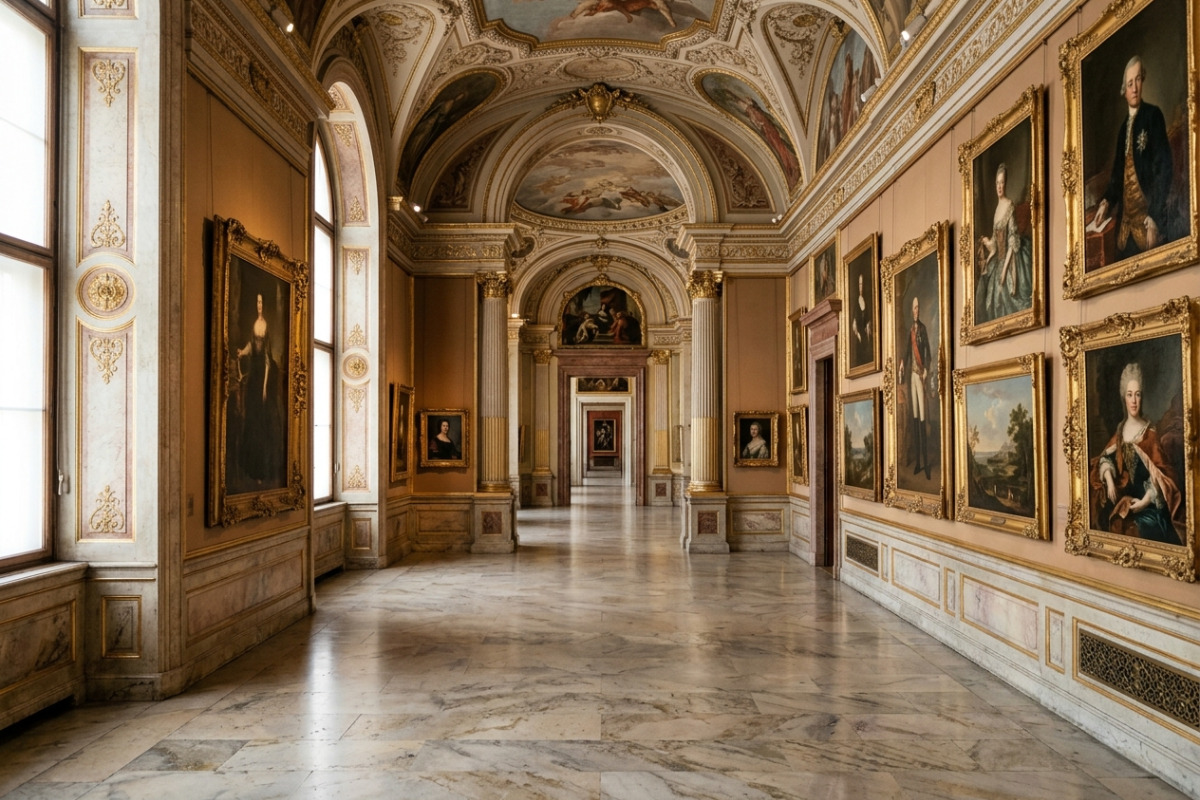
Each room in the palace has a story to tell, from the grand halls adorned with gilded moldings to the serene gardens that served as a retreat for the nobility. Notably, the integration of various artistic styles within the palace illustrates the cultural shifts in Vienna from the Baroque period through to the modern age. This blend of styles is not only visually stunning but also serves as a narrative of the city’s historical journey.
Cultural Significance and Artistic Heritage
Belvedere Palace is not just an architectural marvel; it is also a cultural landmark. Home to one of the most significant collections of Austrian art, the palace houses masterpieces by renowned artists such as Gustav Klimt. His iconic work, "The Kiss," can be found in the Upper Belvedere, serving as a focal point for visitors and art enthusiasts alike. The significance of this collection extends beyond aesthetics; it represents the evolution of artistic expression in Austria and the broader European context.
Moreover, the palace has played a pivotal role in various historical events, including the signing of treaties and hosting influential figures. Each event contributed to its legacy, making it a symbol of both artistic and political history. Understanding the cultural significance of Belvedere Palace enriches the visitor experience, allowing you to appreciate not just the art, but the historical narratives interwoven with each piece.
Engaging with the Legacy of Belvedere Palace
Visiting Belvedere Palace offers a unique opportunity to engage with history and art in a profound way. The palace's gardens are meticulously designed to complement its architectural beauty, providing a serene space for reflection. As you stroll through the gardens, consider the layers of history that have unfolded in this remarkable setting. Each flower and pathway has witnessed centuries of stories and transformations.
For those looking to deepen their understanding of this cultural gem, guided tours are available, offering insights into the palace's rich past and artistic contributions. Additionally, special exhibitions often highlight different aspects of the palace's legacy, making each visit a new experience. To plan your visit, check out the tickets page for information on entry and special events.
Conclusion: A Journey Through Time
Belvedere Palace is more than just a stunning architectural site; it is a reflection of Vienna's complex history and artistic journey. As you explore its halls and gardens, take a moment to appreciate the layers of stories that have shaped this iconic landmark. Make sure to visit the History of Belvedere page for a deeper dive into its fascinating past. Whether you're an art lover, a history buff, or simply a traveler seeking beauty, Belvedere Palace offers a timeless experience that transcends generations.